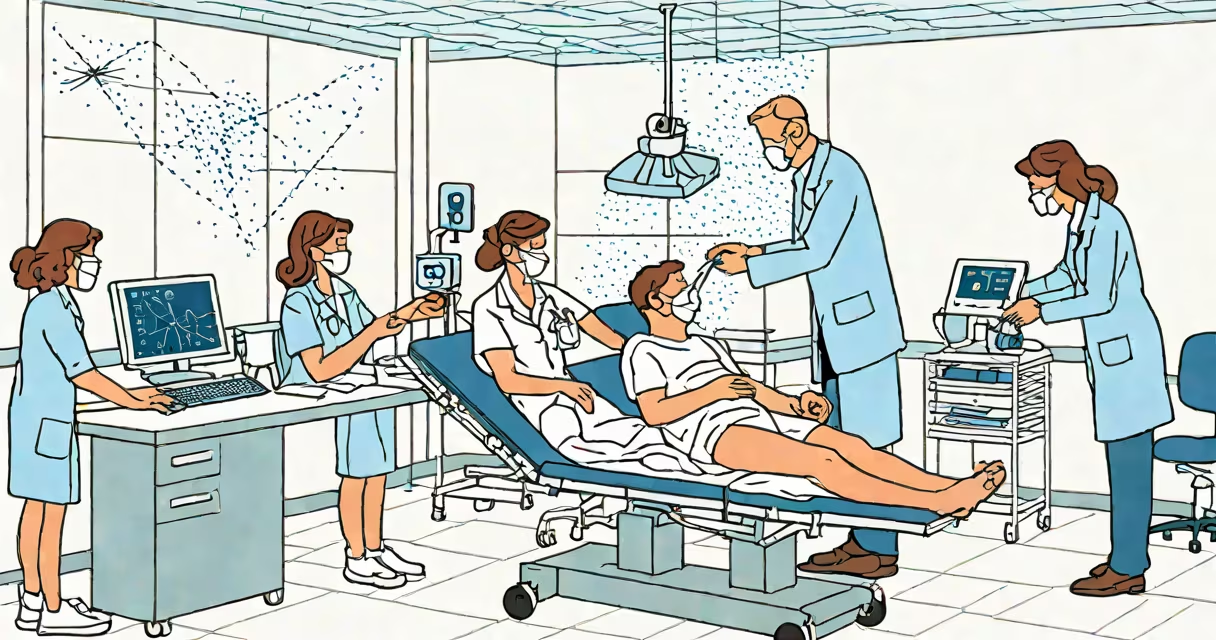
Measles can affect anyone who lacks immunity, but it most commonly occurs in unvaccinated children under five years old. The disease spreads rapidly through respiratory droplets and is highly contagious, with a 90% infection rate among close contacts of an infected person.
Measles is caused by the measles virus, which belongs to the Morbillivirus genus. It enters the body through the respiratory tract and replicates in lymphoid tissue before spreading systemically. Symptoms begin 10-14 days after exposure and include high fever, cough, runny nose, red eyes, and a characteristic red rash that starts on the face and spreads downward.
The Centers for Disease Control and Prevention (CDC) reports that measles was declared eliminated in the United States in 2000 due to widespread immunization. However, outbreaks still occur, primarily in communities with low vaccination coverage. In 2019, the U.S. saw 1,274 cases across 31 states-the highest number since 1992-most linked to imported cases and unvaccinated individuals.
Measles spreads via airborne transmission. An infected person can transmit the virus from four days before to four days after the rash appears. This extended infectious period makes containment difficult, especially in schools, childcare centers, and crowded public spaces.
Unvaccinated individuals are at the highest risk. The CDC estimates that a single dose of the MMR vaccine (measles, mumps, rubella) is 93% effective at preventing measles. A second dose increases effectiveness to 97%. Without vaccination, children face a 1 in 1,000 chance of dying from complications such as pneumonia or encephalitis.
Adults born before 1957 are generally considered immune due to prior exposure. However, those born between 1957 and 1989 may have incomplete protection, particularly if they received only one MMR dose. College students and healthcare workers are advised to verify immunity status, as outbreaks have occurred in dormitories and hospitals.
The standard MMR vaccination schedule recommends two doses: the first at 12-15 months of age, and the second at 4-6 years old. Infants younger than 12 months are too young to receive the vaccine and rely on maternal antibodies for early protection.
Travelers to countries with ongoing measles transmission should ensure they are vaccinated before departure. The World Health Organization (WHO) advises that infants aged 6-11 months receive an early MMR dose when traveling internationally. This dose counts toward the routine series but requires two additional doses later.
Medical exceptions exist for people with severe allergies to vaccine components, immunodeficiencies, or active cancer treatment. These individuals depend on herd immunity-widespread community vaccination-to reduce their risk of exposure. In areas with low vaccination rates, even those with medical exemptions face higher transmission risks.
While rare, measles can occur in adolescents and adults who missed childhood vaccinations. In 2022, a case cluster in New York involved unvaccinated adults aged 20-45, many of whom had delayed or refused vaccines based on misinformation. These cases led to secondary infections in children under five.
Vaccine hesitancy remains a major driver of outbreaks. A 2021 study published in *The Lancet* found that communities with higher levels of anti-vaccine sentiment experienced 3.4 times more measles cases than areas with strong vaccine confidence. Misinformation often falsely links MMR to autism-a claim thoroughly debunked by multiple large-scale studies.
During the 2019 outbreak in Washington State, a school with a 75% vaccination rate reported 12 confirmed cases. In contrast, a neighboring district with 95% coverage had no cases despite proximity. This illustrates how small gaps in coverage can lead to significant transmission.
Measles is not a mild childhood illness. It is one of the most contagious diseases known. A single infected person can infect 12-18 others in a susceptible population. The virus survives in air or on surfaces for up to two hours.
Some assume that because measles is rare in the U.S., it's no longer a threat. But global travel enables importation. In 2023, a traveler returning from Europe introduced measles into a U.S. city with a 78% vaccination rate. The outbreak was contained after 14 cases, but required 1,200 post-exposure prophylaxis doses and 30 days of quarantine measures.
Another misconception is that natural infection provides better immunity than vaccination. While recovery from measles confers lifelong immunity, the disease carries serious risks. Hospitalization rates are 1 in 10, and death occurs in 1 in 1,000 cases. Vaccination avoids these outcomes entirely.
In 2019, an unvaccinated child in Brooklyn developed measles symptoms after visiting a relative in Israel. The child attended a daycare center before showing signs. Within 10 days, 13 cases were confirmed across three boroughs.
Public health officials traced the chain using contact tracing and genetic sequencing. The virus matched strains circulating in Israel at the time. Over 1,000 close contacts were identified and offered post-exposure MMR within 72 hours of exposure. Those who received the vaccine within this window were protected.
By week 8, the outbreak ended. No deaths occurred, but 21 hospitalizations were recorded, including two infants under six months who couldn't be vaccinated. The event underscored the importance of timely vaccination and rapid response.
If you or your child develops a high fever, cough, conjunctivitis, and a spreading rash, seek medical evaluation immediately. Early diagnosis allows for isolation and reduces transmission risk.
Prevention relies on two doses of MMR. If you're unsure of your immunity status, consult a healthcare provider. Blood tests can confirm antibody levels. For those planning travel, ensure vaccination at least two weeks before departure.
Children who miss the first MMR dose at 12-15 months should receive it as soon as possible. The second dose should follow at least 28 days later. Delaying either dose increases vulnerability during peak transmission seasons.
Even adults who were vaccinated decades ago should consider checking immunity if they're entering high-risk environments. Healthcare providers recommend testing for immunity in pregnant women, travelers, and those working in crowded settings.
Measles is preventable. The vaccine is safe, effective, and widely available. Delaying vaccination increases personal and community risk. Staying up to date protects those who cannot be vaccinated due to medical reasons.
Understanding the correct age for measles protection ensures individual safety and supports public health efforts. The goal is not just to avoid illness-but to maintain elimination status and prevent resurgence.