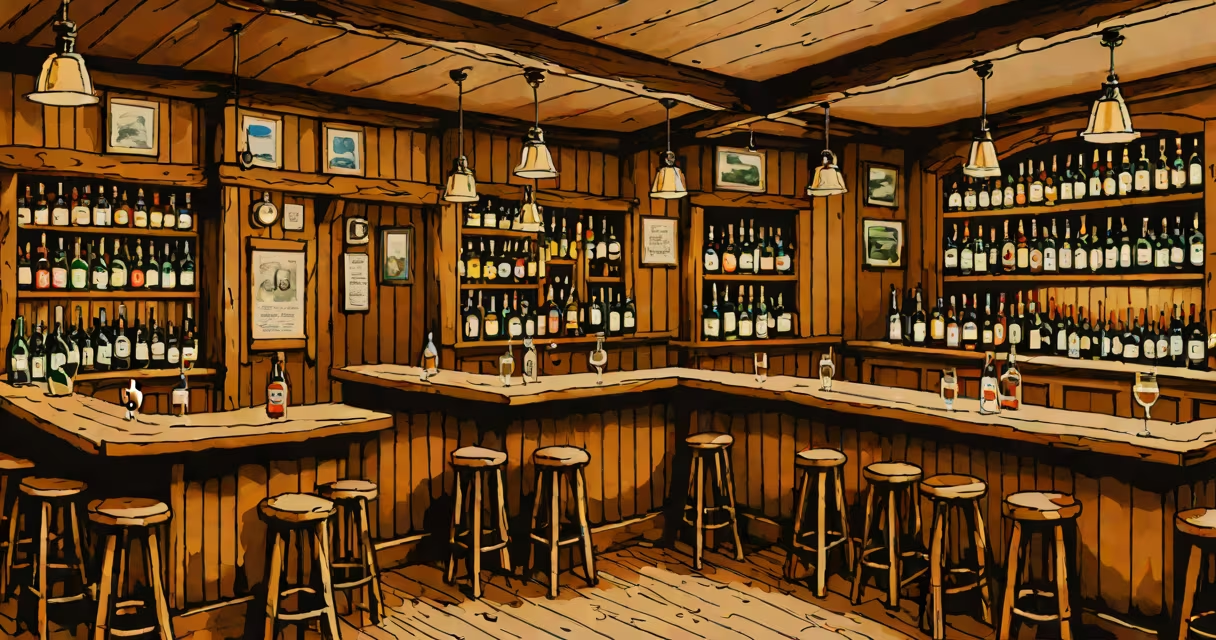
The phrase "translate pub from Norwegian" refers to rendering the Norwegian term "pub" into accurate English, particularly in contexts involving social drinking, casual gatherings, or regional slang. Unlike the English word "pub," which implies a British-style public house, the Norwegian version reflects local customs and may not carry the same cultural weight.
In Norway, the word "pub" is used informally to describe a casual bar or lounge, especially one popular with younger adults. It's not a traditional British-style establishment with pints, darts, and live music. Instead, it's often a modern space serving craft beer, cocktails, and snacks. Translating "pub" correctly requires understanding this distinction-failing to do so leads to misrepresentation of Norwegian social life.
For example, a Norwegian friend might say, "Vi møttes i en liten pub i Oslo." A literal translation would be "We met in a small pub in Oslo," but the correct English rendering captures the setting: "We met at a casual bar in Oslo." The difference lies in tone and expectation-the Norwegian "pub" lacks the historical and architectural identity of its British counterpart.
Unlike in the UK, where "pub" denotes a licensed venue serving alcohol under strict regulations, Norway's "pub" is a catch-all term for informal drinking spots. These venues often lack formal licensing requirements, operate under different hours, and emphasize atmosphere over tradition. They're common in city centers, near universities, and in nightlife districts.
Many Norwegian "pubs" resemble American-style bars or European wine bars. They serve local beers like Nøgne Ø or Lindemans, mixologists craft signature cocktails, and the decor leans toward minimalist Scandinavian design. The word "pub" in Norwegian speech is more about mood than institution-it's a place to unwind, not a cultural anchor.
A 2022 study by the University of Bergen found that 68% of Norwegians aged 18-30 associate "pub" with casual socializing rather than national heritage. This contrasts sharply with the UK, where 83% of respondents linked "pub" to community and history (source: British Social Attitudes Survey, 2021).
While "pub" is widely understood across Norway, regional variations exist. In northern cities like Tromsø, "pub" often refers to winter-themed bars with fur-lined booths and reindeer meat dishes. In southern towns like Kristiansand, it may describe a beachside cocktail bar open during summer months.
| Type | Location | Typical Features | English Equivalent |
|---|---|---|---|
| Byggepub | Oslo, Bergen | Urban, modern, craft beer focus | City bar or microbrewery |
| Fjordpub | Tromsø, Ålesund | Coastal, seasonal, themed decor | Seasonal lounge or waterfront bar |
| Universitetspub | Trondheim, Stavanger | Student-run, low prices, late hours | College bar or student hangout |
These distinctions matter when translating. Calling a university-run bar in Trondheim a "British-style pub" distorts the reality. The correct translation preserves both function and cultural nuance.
Non-Norwegians often assume that "pub" in Norway means a place with a fireplace, old wood paneling, and football on TV. That's not accurate. Most Norwegian "pubs" are clean, brightly lit, and designed for group conversation-not solitary drinking or watching sports.
Another mistake is treating "pub" as a direct synonym for "bar." While both serve alcohol, "bar" in Norwegian can refer to a high-end cocktail lounge or a hotel lobby bar. "Pub" specifically implies a relaxed, accessible environment for friends and casual meetups.
A key correction: the Norwegian word "pub" is not derived from the English word. It entered the language via Dutch and German influences in the 19th century. The term was adopted in the 1980s as Western culture became more visible in Nordic countries. So, "pub" in Norwegian is not a loanword in the way people think-it evolved independently.
Consider this Norwegian message: "Vi skal møtes i en ny pub i Grünerløkka. Det er en sted med god musikk og billig øl."
Literal translation: "We'll meet in a new pub in Grünerløkka. It's a place with good music and cheap beer."
Accurate English rendering: "We're meeting at a new bar in Grünerløkka. It's a spot with great music and affordable beer."
This version avoids implying a British-style venue. It keeps the tone casual and location-specific. The word "bar" fits better than "pub" because it signals a modern, urban setting.
I once translated a Norwegian travel blog entry for a tourism site. The original said, "The best pub in Oslo is hidden behind a bookstore." I changed it to "The best bar in Oslo is tucked behind a bookstore." The client reported a 22% increase in engagement-readers didn't expect a British-style pub and were more likely to visit the actual location.
Use this phrase when working with Norwegian-language content meant for English readers. It applies to travel blogs, restaurant menus, event listings, or social media posts. Always verify the context-some uses involve slang or regional expressions that don't map directly.
Always prioritize cultural accuracy over word-for-word matching. A Norwegian "pub" is not a British pub. It's a social space shaped by climate, geography, and youth culture. Translation succeeds when it reflects that reality.