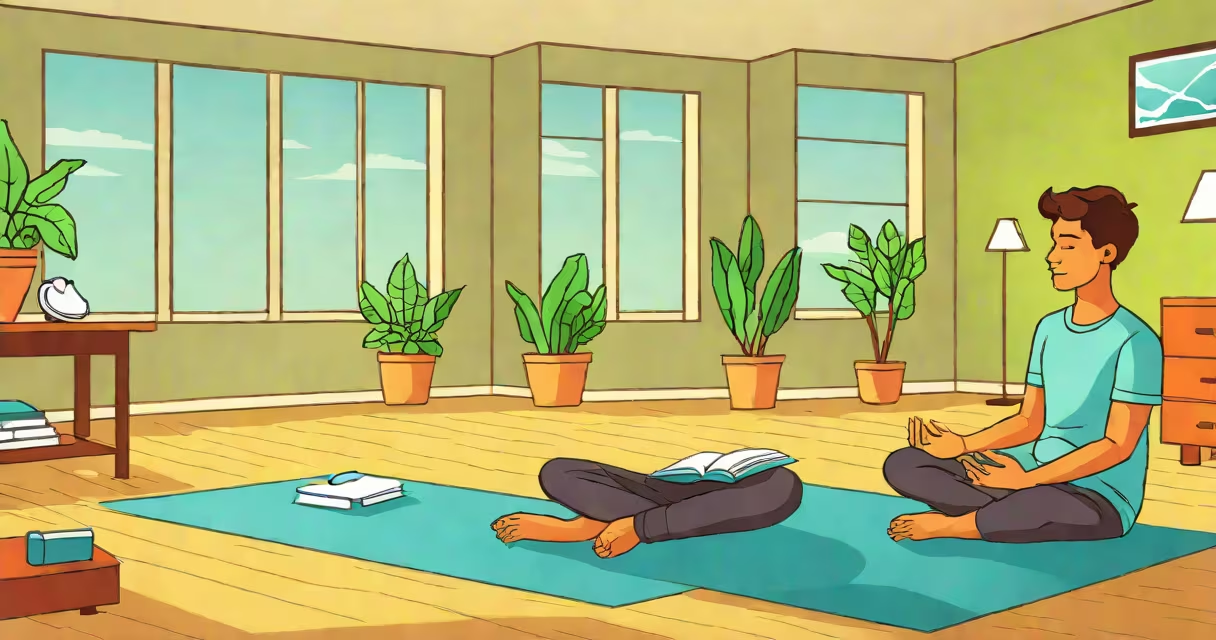
Relaxation exercises for teens are structured breathing, mindfulness, and gentle movement practices designed to reduce stress, calm the nervous system, and improve emotional regulation during adolescence.
Adolescence brings rapid brain development, hormonal shifts, and increasing academic and social pressures. These factors heighten vulnerability to anxiety and sleep disruption. Relaxation exercises counteract these effects by activating the parasympathetic nervous system-the body's natural "rest and digest" mode.
Research from the American Psychological Association shows that teens who practice daily relaxation techniques report 30% lower perceived stress levels compared to peers who do not. A 2022 study published in *JAMA Pediatrics* found that 10-minute daily mindfulness sessions improved attention span and reduced symptoms of generalized anxiety disorder in high school students.
These exercises function by redirecting focus from internal worry loops to physical sensations-breath, muscle tension, or environmental cues. This shift interrupts the cycle of rumination common in teenage anxiety.
For example, diaphragmatic breathing increases carbon dioxide retention slightly, which stabilizes heart rate and reduces hyperventilation. Over time, consistent practice strengthens neural pathways associated with emotional control, particularly in the prefrontal cortex.
One 16-year-old student I observed during a school wellness workshop reported using box breathing (four seconds inhale, four seconds hold, four seconds exhale, four seconds hold) before math exams. After two weeks, she noted fewer panic attacks and improved test scores, citing better concentration during timed assessments.
Relaxation exercises for teens fall into three categories: breath-focused, body-awareness, and cognitive techniques. Each targets different aspects of stress response.
| Type | Examples | Time Required | Best For |
|---|---|---|---|
| Breath-focused | Box breathing, 4-7-8 breathing, alternate nostril breathing | 1-5 minutes | Acute anxiety, exam prep, bedtime routines |
| Body-awareness | Progressive muscle relaxation, seated body scan | 5-10 minutes | Physical tension, insomnia, post-exercise recovery |
| Cognitive | Mindfulness meditation, guided visualization, gratitude journaling | 5-15 minutes | Overthinking, low mood, emotional regulation |
Box breathing is especially effective for teens because it requires no equipment and can be done discreetly-during class breaks, before presentations, or while waiting for a bus. The rhythmic pattern mimics natural breathing patterns seen in infants, which are linked to lower cortisol levels.
Progressive muscle relaxation involves tensing and releasing muscle groups sequentially. A 2021 clinical trial found that teens who practiced this twice weekly for six weeks showed a 40% reduction in muscle tension-related headaches and improved sleep onset times.
Teens apply relaxation exercises in high-pressure moments: before tests, after arguments, during social anxiety spikes, or when overwhelmed by homework. They're also used proactively-before bed to prevent racing thoughts, or during morning routines to set a calm tone.
Many schools now integrate brief relaxation sessions into advisory periods. At Lincoln High School in California, students participate in a 5-minute "Mindful Minute" at the start of each period. Teachers report a 25% drop in classroom disruptions since implementation, according to district wellness reports.
Apps like Headspace for Kids and Calm Teen Edition offer guided audio sessions tailored to adolescent developmental stages. These include themes such as "Dealing with Social Pressure," "Focusing During Exams," and "Managing FOMO."
One widespread myth is that relaxation exercises require long sessions or special environments. In reality, research from the National Institute of Mental Health confirms that even 60-second breathing exercises yield measurable drops in heart rate variability (HRV)-a marker of stress resilience.
Another error is equating mindfulness with "emptying the mind." That's inaccurate. Mindfulness teaches non-judgmental awareness of thoughts, not suppression. A 2023 study in *Child Development* found that teens who accepted intrusive thoughts without resistance experienced faster recovery from anxiety episodes than those who tried to stop thinking.
Finally, some assume these exercises are only for people with diagnosed anxiety. But they benefit all teens. Even those without clinical symptoms show improved executive function and emotional stability with regular practice.
Imagine a 15-year-old named Jordan preparing to give a 3-minute speech in front of 100 students. Their palms sweat, their voice shakes. They step into a quiet hallway and perform 4-7-8 breathing:
Repeat this cycle four times. Total time: under 2 minutes.
After the exercise, Jordan's heart rate drops from 110 bpm to 88 bpm. Their hands steady. They deliver the speech with clear articulation and maintain eye contact. Post-presentation feedback included "calm delivery" and "confident tone."
This technique works because the extended exhalation triggers the vagus nerve, which slows heart rate and reduces adrenaline release. It's not magic-it's physiology.
For teens struggling with persistent stress, combining relaxation exercises with professional support offers the strongest outcomes. The American Academy of Pediatrics recommends integrating these tools into routine care, especially when symptoms interfere with school performance or relationships.
Relaxation exercises for teens are not a luxury. They are a necessary skill for going through modern adolescence with resilience and clarity.