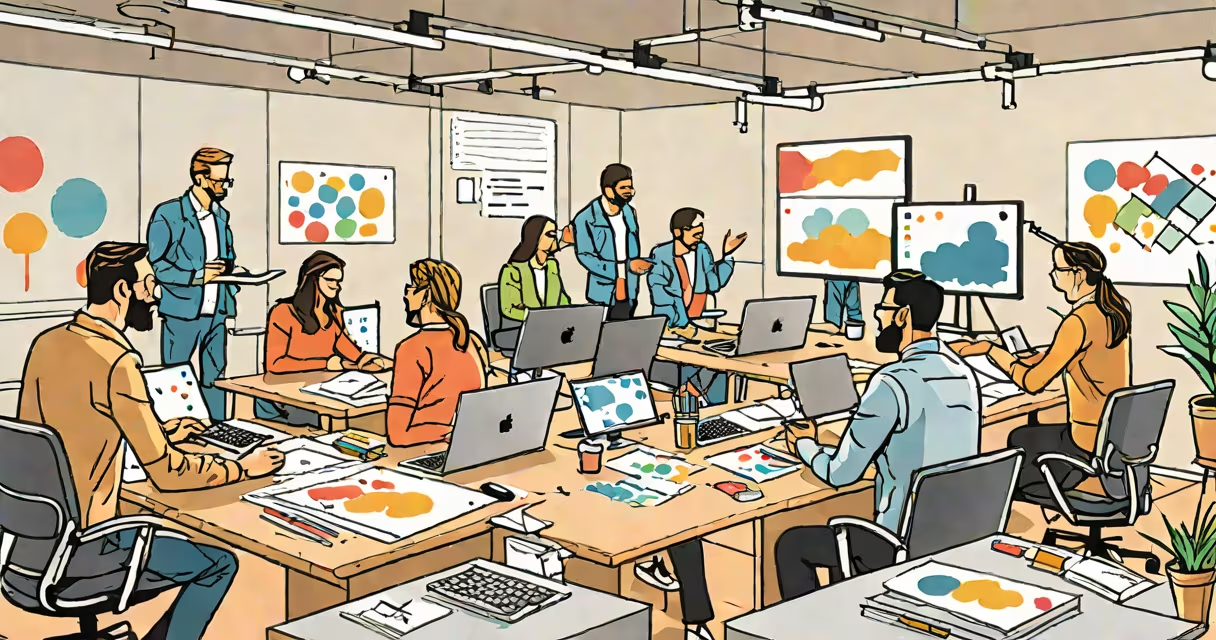
UI UX design studios are specialized firms that create digital products-such as websites, mobile apps, and software interfaces-by combining user-centered research, visual design, and technical implementation. They focus on making interactions intuitive, efficient, and emotionally satisfying for users.
These studios operate at the intersection of psychology, technology, and art. They begin by understanding user behaviors through interviews, usability testing, and data analysis. From there, they map out workflows, prototype solutions, and refine visuals until the final product feels smooth. A well-designed interface doesn't just look good-it reduces friction, increases task completion, and builds trust.
For example, a banking app developed by a UI UX design studio might simplify the process of transferring money. Instead of requiring five taps and confusing labels, the studio redesigns the flow to use clear icons, consistent spacing, and predictive inputs. This change reduces errors by up to 40%, according to a 2022 study by the Nielsen Norman Group.
Design studios follow a structured process rooted in iterative feedback. The first phase involves discovery-defining goals, identifying target users, and analyzing existing pain points. Teams often conduct contextual inquiries, where designers observe users in their natural environment, such as watching how someone uses a grocery delivery app while shopping.
Next comes wireframing and prototyping. Low-fidelity sketches outline layout and navigation before high-fidelity mockups are created using tools like Figma or Adobe XD. These prototypes are tested with real users who perform tasks like signing up or finding a feature. Feedback is collected via screen recordings and verbal responses, then used to refine the design.
Finally, the studio delivers design systems-collections of reusable components, color palettes, typography rules, and interaction patterns. These ensure consistency across all screens and future updates. For instance, Airbnb's design system includes over 200 standardized buttons, each with predefined states and accessibility settings.
While all studios prioritize user outcomes, they differ in focus and specialization. Some emphasize branding and storytelling; others concentrate on performance metrics or compliance with accessibility standards like WCAG 2.2.
| Service Type | Focus Area | Typical Output |
|---|---|---|
| Product Design | End-to-end creation of apps or web platforms | Interactive prototypes, design specs, developer handoff files |
| Accessibility Audits | Ensuring compliance with ADA and WCAG guidelines | Checklists, annotated screenshots, remediation plans |
| Brand Experience Design | Aligning visual identity with user emotions | Emotion maps, tone-of-voice guides, mood boards |
| Research & Strategy | Understanding user motivations and market gaps | User personas, process maps, competitive analysis reports |
One non-obvious distinction: many studios claim to do both UI and UX, but few have dedicated researchers and visual designers working in sync. A true studio maintains separation between roles-UX focuses on logic and flow, UI on visual hierarchy and emotion. Mixing them leads to inconsistent results.
Companies hire ui ux design studios to reduce development costs, avoid redesigns, and improve customer retention. According to a 2023 report by Forrester Research, every dollar invested in UX generates $10 in return through increased conversions and reduced support tickets.
Startups often engage studios early to validate ideas before coding begins. A health tech startup developing a mental wellness tracker partnered with a design studio to test whether users would consistently log moods. After two rounds of testing, the team discovered that a calendar-based entry method led to 60% higher engagement than a form-based one.
Large enterprises use studios to refresh outdated systems. When the U.S. Department of Veterans Affairs launched a new benefits portal, it collaborated with a design agency to overhaul the application process. The redesigned interface cut average completion time from 47 minutes to 19 minutes.
People often confuse ui ux design studios with freelance designers or generalist marketing agencies. Freelancers may produce polished visuals but lack the research infrastructure needed for systemic improvements. Marketing agencies focus on conversion rates and click-throughs, not long-term usability.
A frequent error is assuming that "good design" means "visually appealing." A beautiful interface with poor navigation fails users. In 2021, a major e-commerce site replaced its homepage with a minimalist design featuring large images and subtle animations. Despite high aesthetic scores, bounce rate rose by 32% because users couldn't find product filters quickly.
I once observed a client reject a studio's recommendation to simplify a dashboard. The team had tested three versions with real users and found that reducing the number of charts improved decision speed by 45%. The client insisted on keeping all original elements, citing brand familiarity. Six months later, adoption dropped by 28%.
Look beyond portfolios. Evaluate whether the studio conducts user testing, documents assumptions, and provides measurable outcomes. Ask for case studies that include before-and-after metrics-like task success rate or time-on-task-not just screenshots.
Check if they use design systems. A studio that builds reusable components ensures scalability and consistency. For example, a fintech company working with a studio saw a 30% reduction in QA bugs after adopting a shared component library.
When evaluating partners, consider their collaboration model. Some studios embed team members into client offices; others deliver remote sprints. The most effective ones combine regular check-ins with transparent documentation.
Successful ui ux design studios don't just make things look better. They make them work better. Their impact shows in faster task completion, lower training needs, and higher user satisfaction scores.