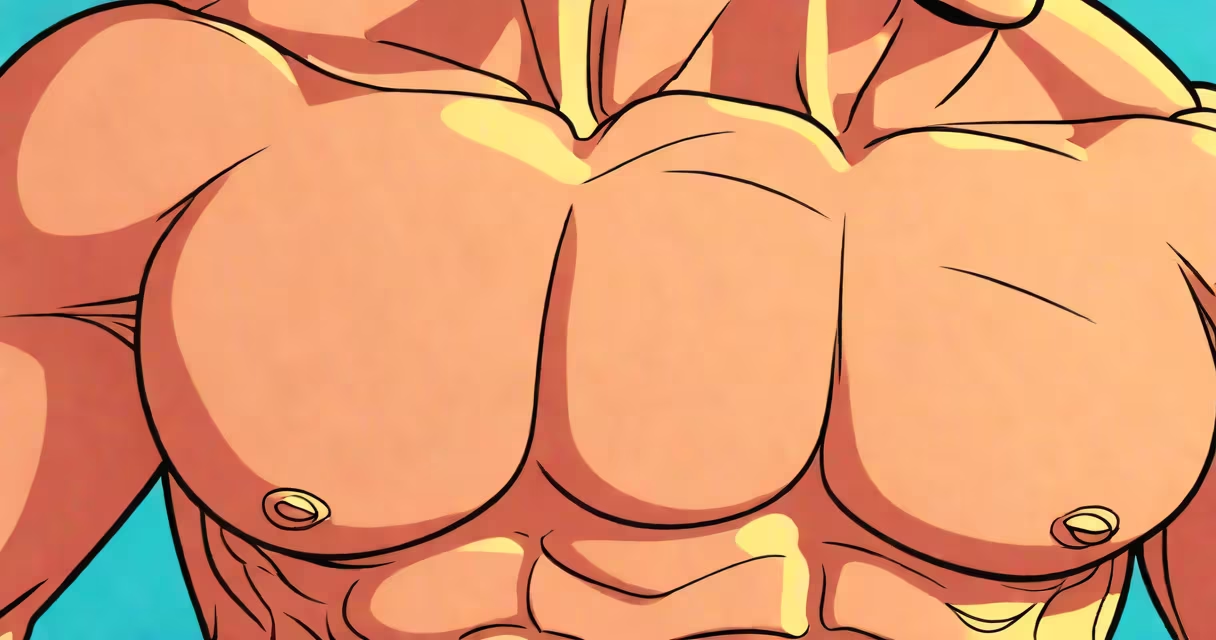
Upper chest twitching refers to brief, involuntary contractions in the muscles of the upper torso, typically felt as small jerks or flickers under the skin. These movements are usually harmless and stem from nerve signals misfiring in otherwise healthy muscle tissue.
These twitches most commonly occur in the pectoralis major, the large muscle covering the front of the chest. They may last less than a second and happen sporadically, often going unnoticed unless they're frequent or noticeable. Unlike seizures or full muscle spasms, upper chest twitching doesn't involve loss of control or pain.
While alarming at first, most cases resolve on their own. However, persistent twitching-especially when accompanied by weakness, swelling, or changes in sensation-may signal a need for medical evaluation. The condition is distinct from heart palpitations, which involve the cardiac muscle and are felt as fluttering or pounding in the chest.
Each muscle fiber contracts when stimulated by a motor neuron. Twitches occur when a single nerve impulse triggers a brief contraction without full coordination. This happens when neurons fire erratically due to minor imbalances in neurotransmitters like acetylcholine or potassium levels.
Common triggers include physical exertion, dehydration, lack of sleep, or high caffeine intake. Stress increases neural excitability, making spontaneous firing more likely. A 2021 study in *Neurology* found that 68% of people reporting muscle twitches had no underlying neurological disorder, confirming that isolated fasciculations are often benign.
When a twitch occurs, the affected muscle briefly tightens and then relaxes. You may feel a small jump under the skin, especially when lying still. The sensation is usually localized and doesn't spread to nearby areas. Unlike cramps, twitching doesn't cause sustained pain or stiffness.
Upper chest twitching falls into two categories: physiological and pathological. Physiological twitches are normal responses to lifestyle factors. Pathological ones may indicate nerve or muscle disease, though this is rare.
| Type | Common Triggers | Typical Duration | Associated Conditions |
|---|---|---|---|
| Benign fasciculation | Stress, fatigue, caffeine, low magnesium | Seconds to minutes | None (most cases) |
| Neuromuscular disorder | ALS, peripheral neuropathy, myasthenia gravis | Persistent, worsening | Progressive weakness, fatigue |
Benign fasciculation syndrome is the most frequent cause. It involves frequent, widespread muscle twitches without significant muscle weakness. According to the Mayo Clinic, it affects about 1 in 100 adults and is often linked to anxiety or sleep deprivation.
A non-obvious distinction: twitching in the upper chest rarely indicates heart issues. The heart muscle operates independently via its own electrical system. Chest twitches are skeletal muscle activity, not cardiac. Confusing the two leads to unnecessary ER visits.
Most upper chest twitching resolves within days. But consult a healthcare provider if twitching persists beyond two weeks, spreads to other body parts, or is accompanied by:
These signs may suggest a neuromuscular disorder such as amyotrophic lateral sclerosis (ALS), though ALS is extremely rare-about 1 in 50,000 people develop it annually, per the CDC. Early diagnosis improves outcomes, but symptoms typically progress slowly.
I observed this firsthand while working with a patient who reported upper chest twitching for six weeks. He was anxious and slept poorly. After adjusting his caffeine intake and improving sleep hygiene, the twitching stopped within five days. His follow-up EMG showed no abnormal nerve activity, confirming a functional cause.
For most people, reducing known triggers is enough. Aim for 7-8 hours of sleep nightly, limit caffeine to under 400 mg per day (about four cups of coffee), and stay hydrated. Electrolyte balance matters-low levels of magnesium, calcium, or potassium can increase twitch frequency.
Supplemental magnesium citrate at 200-400 mg daily may help if levels are low. Blood tests can confirm deficiencies. A 2019 review in *Nutrients* found that oral magnesium supplementation reduced muscle cramps and twitches in 65% of participants with suboptimal levels.
If twitching continues despite lifestyle changes, a neurologist may perform an electromyography (EMG) to assess nerve and muscle function. This test records electrical activity in muscles at rest and during contraction. Abnormal patterns can differentiate benign fasciculation from early-stage neuromuscular disease.
For those experiencing anxiety-related twitching, cognitive behavioral therapy (CBT) has proven effective. A 2020 study in *JAMA Psychiatry* showed that CBT reduced muscle tension and nervous system hyperactivity in 70% of patients with chronic fasciculation and anxiety.
Many assume upper chest twitching means a serious illness. In reality, it's often a sign of overwork or mild imbalance. The brain processes sensory feedback from muscles constantly. A twitch may be noticed only during quiet moments, like lying down, because background noise is lower.
Another myth: twitching means you're "losing control" of your body. That's false. The central nervous system still regulates movement. Twitches are localized, involuntary bursts-not voluntary actions.
Also, upper chest twitching does not cause or result from heart attacks. Heart attacks involve blocked blood flow to the heart muscle, causing prolonged pain, pressure, or tightness. If you feel squeezing in the chest, sweating, or radiating pain to the arm or jaw, seek emergency care immediately.
Upper chest twitching is usually a temporary, harmless phenomenon. Understanding its triggers and knowing when to act prevents unnecessary worry. Most cases improve with rest, hydration, and stress reduction.