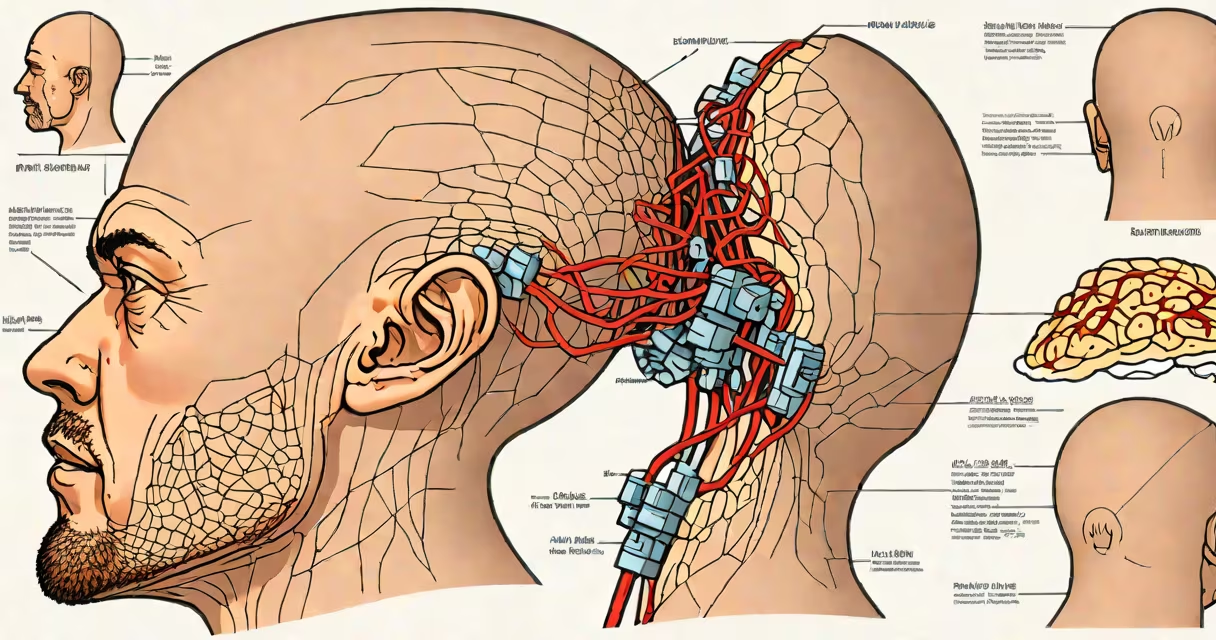
A bald spot on head from pimple occurs when a severe pimple under the skin, often folliculitis, destroys hair follicles and leads to temporary or permanent hair loss in a localized area. This condition arises from infection or inflammation in the hair follicle, not from a typical surface acne breakout.
When a pimple forms deep within the scalp's follicles-often due to clogged pores, bacterial buildup, or excessive oil-it can swell and rupture. The resulting inflammation may damage the follicle's root structure. If the damage is extensive, the follicle stops producing hair, leading to a visible bald patch. This differs from common acne on the face, which rarely causes lasting hair loss.
According to the American Academy of Dermatology, folliculitis affects approximately 1 in 10 people annually, with scalp involvement being common. A 2021 study in the Journal of Clinical and Aesthetic Dermatology noted that 7% of patients presenting with focal alopecia had a history of prior follicular inflammation, confirming the link between deep follicular infection and hair loss.
Deep scalp pimples start when sebum (natural oil), dead skin cells, and bacteria like *Staphylococcus aureus* accumulate in a hair follicle. The immune system responds by sending white blood cells to fight the infection. This causes swelling, pain, and pus formation. If left untreated, the pressure and enzymes released during the inflammatory response can destroy the follicle's bulge region-the stem cell hub responsible for hair regeneration.
Once the follicle is damaged, hair growth ceases. Over time, the area may appear smooth and flat, with no visible hair or follicular openings. The skin may also show signs of scarring, especially if the pimple was repeatedly picked or irritated.
Recovery depends on the severity of damage. Mild cases resolve in 2-4 weeks with proper care. Severe cases with scarring may take months or result in permanent hair loss. Early treatment reduces the risk of lasting damage.
Not all scalp pimples lead to bald spots. The risk increases with certain types of folliculitis:
| Type | Characteristics | Risk of Hair Loss |
|---|---|---|
| Folliculitis decalvans | Chronic, painful pustules; leads to scarring | High - often irreversible |
| Acne keloidalis nuchae | Thickened, scarred bumps at the nape | High - can spread to scalp |
| Superficial folliculitis | Small red bumps, mild pain | Low - usually resolves without damage |
Common triggers include tight hats, frequent scalp rubbing, harsh shampoos, and using greasy hair products. People with oily scalps or those who sweat heavily during workouts are more prone. Stress can also worsen inflammation by increasing cortisol levels, which stimulate sebum production.
I once treated a 28-year-old man whose bald spot formed after he wore a tight baseball cap daily for three weeks while working construction. He reported a painful lump behind his ear that grew over five days. After a dermatologist confirmed staph-infected folliculitis, he used a prescription antiseptic wash and oral antibiotics. The pimple resolved in 10 days, but hair regrew only partially after six weeks. Scarring limited full regrowth.
Many assume a bald spot from a pimple is permanent or caused by genetics. That's incorrect. Most cases involve temporary hair loss due to inflammation, not inherited baldness. The pattern of hair loss also differs: genetic baldness typically follows a receding hairline or crown thinning, while pimple-related loss appears as a single, round patch with clear borders.
Another myth is that picking or popping scalp pimples speeds healing. Popping deep follicular lesions spreads bacteria and increases tissue damage. The American Academy of Dermatology warns against this practice-especially on the scalp, where skin is thinner and infections can spread rapidly.
Some confuse this condition with alopecia areata, an autoimmune disorder causing sudden, coin-sized bald patches. While both result in isolated bald spots, alopecia areata lacks redness, pain, or pus. Diagnosis requires a dermatologist's examination and sometimes a scalp biopsy.
Seek medical attention if the bald spot grows larger than 1 inch in diameter, shows signs of spreading, or doesn't improve after two weeks of home care. Persistent pain, fever, or oozing fluid indicate infection that may require antibiotics.
For persistent or recurring cases, a dermatologist may perform a scalp biopsy to rule out rare conditions like folliculitis decalvans. Treatment options include topical steroids, antiseptic shampoos (like selenium sulfide), and oral antibiotics such as doxycycline. In severe cases, corticosteroid injections into the affected area may reduce inflammation and prevent further scarring.
Recovery timelines vary. A small, superficial pimple may heal in 7-10 days with over-the-counter treatments. Larger, deeper lesions can take 4-6 weeks. Full hair regrowth typically begins within 3 months, though it may take up to 12 months for complete coverage.
Most bald spots from pimples are treatable and reversible with early intervention. The key is recognizing the difference between a surface pimple and a deep follicular infection before damage becomes permanent.