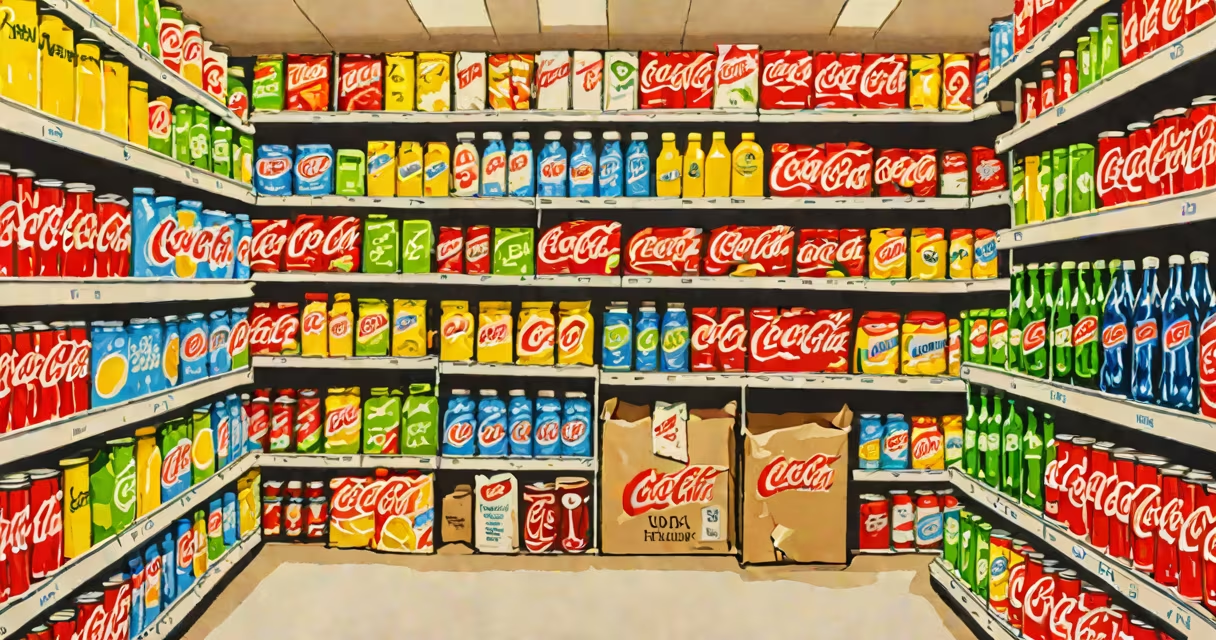
Consumer staples are essential goods and services that people purchase regularly, regardless of economic cycles-items like food, beverages, household cleaners, and personal care products. These companies operate in stable, predictable industries with consistent demand, making their stocks less volatile during recessions.
Unlike discretionary spending-such as vacations or luxury vehicles-consumer staples represent basic needs. Demand remains steady even when incomes drop. This resilience makes them a foundational element in diversified investment portfolios.
Major companies in this sector include Procter & Gamble, Coca-Cola, PepsiCo, Kimberly-Clark, and Unilever. Their products appear in nearly every American household, and many have operated for over a century with minimal disruption.
These businesses generate revenue through high-volume, low-margin sales. A single box of cereal may sell for $4, but stores move thousands daily. This volume ensures stable cash flow even during downturns.
For example, during the 2008 financial crisis, consumer staple sales rose slightly while discretionary sectors like auto and travel collapsed. Procter & Gamble reported flat earnings in 2008 despite the recession, thanks to consistent demand for soap, diapers, and toothpaste.
Companies in this space often reinvest profits into brand loyalty and distribution networks rather than aggressive expansion. They prioritize reliability over rapid innovation-product consistency matters more than flashy new features.
The sector includes several subcategories based on product type and consumer behavior:
| Type | Examples | Key Traits |
|---|---|---|
| Food & Beverage | Coca-Cola, Kellogg's, Nestlé | High brand recognition, recurring consumption |
| Household Products | Procter & Gamble, Clorox | Stable demand, low price sensitivity |
| Personal Care | Unilever, Colgate-Palmolive | Long product life cycles, high customer retention |
Each category relies on repeat purchases. A family buys laundry detergent every few weeks, regardless of inflation. This predictability allows companies to forecast revenue accurately and maintain strong balance sheets.
Consumer staples are often called "defensive" stocks because they hold value during market downturns. When investors fear losses, they shift money into stable sectors. This behavior drives demand for consumer staple equities even as tech and growth stocks falter.
According to Morningstar, the average consumer staple stock has a price-to-earnings ratio of 21.5, compared to 32.1 for the S&P 500. Lower valuations reflect reduced risk and higher perceived safety.
Dividend yields are typically above 2.5%, with many companies increasing payouts annually. For example, Coca-Cola has raised its dividend for 59 consecutive years. This track record attracts income-focused investors seeking passive returns.
Many assume consumer staples are boring or stagnant. While they don't grow at the pace of tech startups, they offer consistent returns. Over 20 years, the S&P 500 Consumer Staples Index returned 6.8% annualized-outperforming inflation and matching broad market growth.
Another myth is that these companies lack innovation. Procter & Gamble spent $2.4 billion on R&D in 2023 alone, developing sustainable packaging and water-saving detergents. Innovation in this sector focuses on efficiency, not novelty.
A lesser-known fact: consumer staples are among the most globally diversified sectors. Companies like Unilever operate in over 190 countries. This international footprint buffers against regional economic shocks-when one market slows, others may still grow.
When lockdowns began in March 2020, retail sales dropped 16% nationwide. But sales of consumer staples rose 12% in the same month, according to NielsenIQ. People stopped buying clothes and electronics but continued buying groceries and cleaning supplies.
Procter & Gamble reported a 10% increase in organic sales during Q2 2020. The company expanded production lines for hand sanitizer and disinfectant wipes-products already in its portfolio. This pivot wasn't experimental; it was a response to existing demand patterns.
Similarly, Walmart's grocery division saw a 25% surge in online orders. Its private-label brands-like Great Value-benefited from increased foot traffic. Consumers traded premium brands for affordable alternatives, but they still bought the same categories.
Over five years, this ETF delivered a 7.3% annual return, with only one negative quarter. Its holdings are weighted toward companies with strong cash flows and dividend histories. It's ideal for investors seeking steady income with lower volatility.
I've held this ETF since 2019. During the 2022 bear market, it declined 11%-less than the S&P 500's 19% drop. By 2023, it had recovered and outperformed the broader index. It's not flashy, but it works.
What are consumer staples? They are the unshakable foundation of everyday life-and of resilient investing. These are not speculative plays. They are the products people buy when times are good and when times are tough.
They aren't the fastest-growing sector, but they're among the most dependable. For long-term investors, especially those nearing retirement or avoiding emotional trading, consumer staples provide stability, income, and peace of mind.