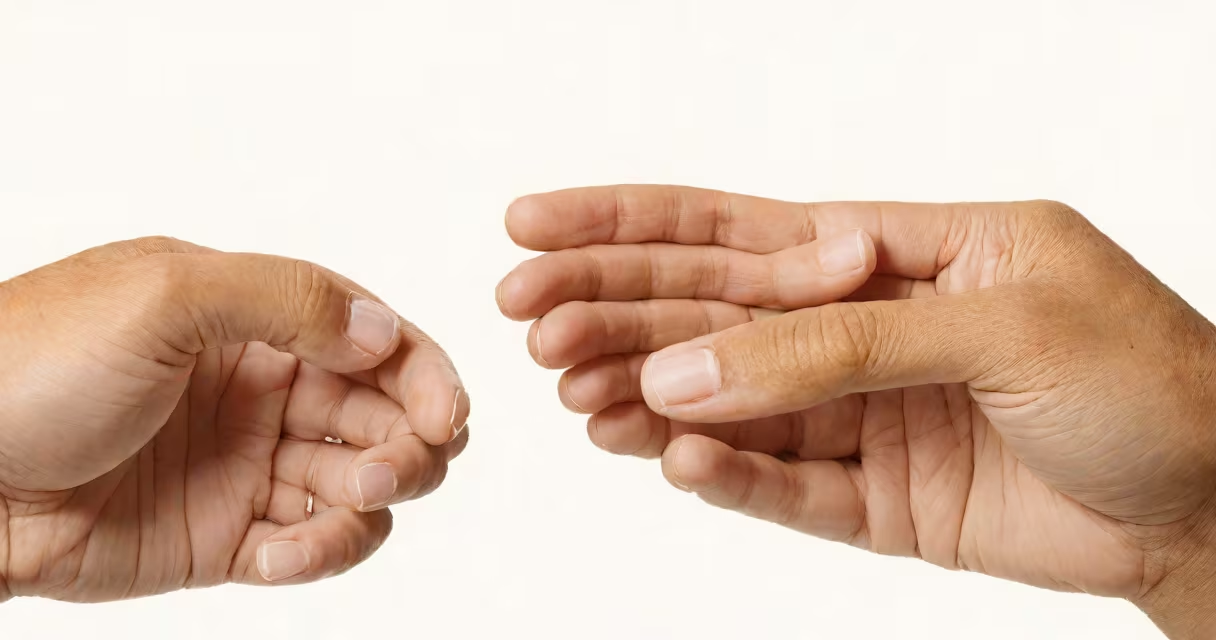
Non verbal cues are physical signals-facial expressions, posture, gestures, eye movement, and vocal tone-that communicate emotions, intentions, and attitudes without spoken words. They operate beneath conscious awareness and often carry more weight than verbal content in human interaction.
These signals form a silent language. A raised eyebrow, a clenched jaw, or a slight tilt of the head can signal skepticism, stress, or interest. Research from the University of California, Los Angeles (UCLA) shows that 93% of emotional communication occurs through non verbal channels-55% via facial expression, 38% via tone of voice, and only 7% through actual words.
Non verbal cues are universal in function but vary in interpretation across cultures. A smile generally signals happiness worldwide, but direct eye contact may indicate respect in some regions and defiance in others. Misreading these signals leads to misunderstandings, especially in cross-cultural settings.
They operate through automatic, subconscious processes. The brain's limbic system detects micro-expressions and body shifts before the cortex registers language. This allows rapid emotional assessment-critical in social bonding, threat detection, and decision-making.
For example, during a job interview, a candidate who avoids eye contact while speaking may trigger unconscious distrust in the interviewer, even if their answers are correct. The interviewer's amygdala responds to the lack of engagement before rational evaluation begins.
These signals are not random. They follow consistent patterns. A person leaning forward during a conversation signals interest. A hand covering the mouth while speaking may indicate deception or anxiety. These behaviors are documented in Paul Ekman's research on facial expressions, which identified six universal emotions: happiness, sadness, fear, anger, surprise, and disgust.
Non verbal cues fall into distinct categories, each carrying specific communicative functions.
| Type | Examples | Function |
|---|---|---|
| Facial Expressions | Smile, frown, raised eyebrows | Signal emotion, attention, or reaction |
| Gestures | Hand waves, pointing, nodding | Emphasize speech, indicate direction, show agreement |
| Posture and Body Orientation | Leaning in, crossed arms, standing tall | Reveal openness, defensiveness, confidence |
| Eye Contact | Direct gaze, blinking rate, pupil dilation | Indicate focus, attraction, or discomfort |
| Vocal Tone | Volume, pitch, pace, pauses | Convey urgency, sarcasm, hesitation |
Some cues are deliberate. A manager might stand with arms folded to project authority. Others are involuntary-like a sudden flush when embarrassed. The most telling signals often occur unconsciously, such as a fleeting grimace when hearing bad news.
Many assume non verbal cues are always truthful. That's false. People can fake smiles or maintain steady eye contact while lying. Deception detection requires context and baseline behavior. A single cue rarely tells the whole story.
Another myth is that "body language" is a standalone skill. It isn't. Non verbal cues work in combination. A nod with a smile and open palms suggests agreement. The same nod with narrowed eyes and a flat tone may signal sarcasm or resistance.
A lesser-known fact: people often misinterpret silence. In Western cultures, prolonged silence during conversation is seen as awkward. But in many Indigenous and East Asian traditions, silence is a sign of respect, reflection, or deep listening. Ignoring cultural context leads to flawed judgments.
Consider a sales call between a representative and a client. The rep says, "Our software reduces downtime by 40%." The client replies, "That's interesting," and nods slowly.
Verbal response: "That's interesting."
Non verbal cues: slow nod, eyes flickering to the clock, slight lean back, arms crossed.
The verbal reply appears neutral. But the non verbal signals suggest disengagement. The client is not absorbing the message. The crossed arms and backward lean indicate mental withdrawal. The glance at the clock signals time pressure.
Recognizing this, the rep changes tactics. Instead of continuing features, they ask, "Does that align with your current challenges?" The client uncrosses arms, leans forward, and says, "Actually, we're losing 20% of our production time due to crashes." The shift in non verbal behavior confirms renewed interest.
This scenario reflects findings from the Harvard Business Review, which found that sales professionals who read non verbal cues improved conversion rates by 27% compared to those relying solely on scripted dialogue.
They influence trust, persuasion, and conflict resolution. In healthcare, doctors who maintain eye contact and nod during patient consultations report higher satisfaction scores. In negotiations, mirroring the other party's posture increases rapport and cooperation.
Even in digital environments, non verbal cues persist. Video calls retain facial expressions and gestures. A pause in speech, a sigh, or a change in lighting can signal frustration or fatigue. Tools like Zoom's "reactions" buttons mimic non verbal feedback, though they lack subtlety.
When working with clients or team members, observing non verbal cues prevents misalignment. A team member who says "I'm fine" while avoiding eye contact and speaking softly may be struggling. Addressing the non verbal signal first improves outcomes.