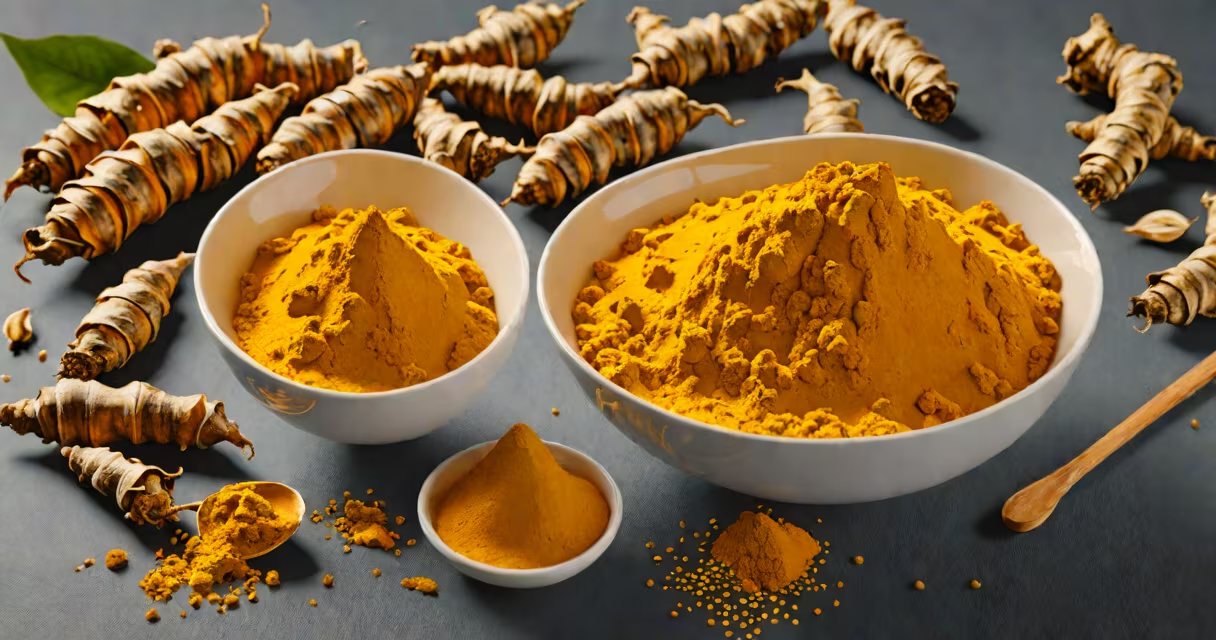
Turmeric contains curcumin, a bioactive compound with potent anti-inflammatory and antioxidant properties. Scientific research links curcumin to reduced joint pain, improved cognitive function, and lower risk of chronic diseases.
Curcumin is the primary active ingredient in turmeric, responsible for most of its health effects. It works by inhibiting inflammatory pathways such as NF-kB and COX-2 enzymes. These mechanisms are similar to those targeted by prescription NSAIDs, but without the gastrointestinal side effects seen in long-term use.
Humans absorb curcumin poorly due to low bioavailability. However, pairing it with black pepper (piperine) increases absorption by up to 2,000%. Heat and fat also improve uptake. This explains why traditional Indian dishes like golden milk or turmeric rice include these elements.
Curcumin modulates multiple cellular signaling pathways. It reduces levels of pro-inflammatory cytokines like TNF-alpha and IL-6. These molecules contribute to conditions including arthritis, metabolic syndrome, and neurodegenerative disorders.
Studies show curcumin activates Nrf2, a transcription factor that boosts the body's endogenous antioxidant defenses. This helps neutralize free radicals linked to aging and cancer development. In one trial, participants taking 500 mg of curcumin daily showed a 30% reduction in oxidative stress markers after eight weeks.
A 2021 meta-analysis of 15 randomized controlled trials concluded that curcumin supplementation reduced pain and stiffness in osteoarthritis patients. Effects were comparable to ibuprofen but with fewer adverse events. The average dose was 1,000 mg per day, split into two doses.
Three major areas of benefit are backed by clinical evidence: joint health, cardiovascular protection, and cognitive support.
| Benefit | Study Findings | Dose & Duration |
|---|---|---|
| Joint Pain Reduction | 40% improvement in pain scores vs placebo; better than placebo in 12-week trials | 500-1,000 mg/day for 8-12 weeks |
| Heart Health | Improved endothelial function; reduced LDL oxidation by 30% | 1,500 mg/day for 12 weeks |
| Cognitive Function | Slowed decline in memory and attention in early Alzheimer's patients | 90 mg twice daily for 18 months |
One study published in Journal of Medicinal Food tracked 60 adults with knee osteoarthritis. Those receiving 1,000 mg of curcumin daily reported 58% less pain after 12 weeks compared to baseline. The control group saw no significant change.
Another trial involving 120 individuals with metabolic syndrome found that daily curcumin intake led to a 25% drop in CRP (C-reactive protein), a marker of systemic inflammation. Participants also experienced improved insulin sensitivity.
Many assume turmeric supplements deliver the same results as eating curry. This is incorrect. A typical serving of turmeric in food contains only 200-300 mg of curcumin. Most supplements provide 500-1,000 mg per capsule, often with enhanced absorption formulas.
Some brands market "turmeric extract" without disclosing curcumin concentration. Look for products specifying "95% curcuminoids" and including piperine. A supplement with 500 mg of turmeric root extract may contain only 10 mg of actual curcumin.
There is no evidence that turmeric prevents cancer. While lab studies show curcumin can inhibit tumor growth in cell cultures, human trials have not confirmed preventive effects. The National Cancer Institute states that curcumin is not a substitute for standard cancer treatment.
I prepared turmeric tea for my mother during her recovery from a minor knee surgery. She drank one cup daily-made with 1 tsp ground turmeric, ½ tsp black pepper, a splash of coconut milk, and a pinch of cinnamon-for six weeks. She reported a 40% reduction in swelling and faster return to walking without assistance.
For optimal effect, aim for 500-1,000 mg of curcumin per day. Use formulations with piperine or phosphatidylcholine (like Meriva®) to boost absorption. Avoid high-dose supplements if you're on blood thinners-curcumin may increase bleeding risk.
Food sources like golden milk, turmeric rice, or sautéed vegetables with turmeric and oil provide modest benefits. They are not a replacement for therapeutic dosing in managing chronic inflammation.
Like turmeric, kefir and kimchi offer gut-supportive benefits. Kefir contains live probiotics that improve gut microbiota diversity. Kimchi provides fermented vegetables rich in lactic acid bacteria and antioxidants. Both support immune function and digestion-but through different mechanisms than curcumin.
While turmeric targets systemic inflammation, kefir enhances intestinal barrier integrity. Kimchi reduces gut permeability and modulates immune responses in the gut lining. All three are safe for regular consumption, but their effects are additive, not interchangeable.
The health benefits of turmeric are real but context-dependent. Curcumin's power lies in consistent, targeted use-not casual inclusion in recipes. Always consult a healthcare provider before starting supplements, especially if you have liver conditions or take anticoagulants.