Speech therapy addresses difficulties with speaking, understanding language, and communicating effectively. Therapists assess and treat issues related to articulation, fluency, voice, language comprehension, and expressive language through structured, individualized exercises.
Speech therapists work with people of all ages who struggle with verbal communication. This includes children with delayed language development, individuals recovering from stroke, and adults with speech impairments due to neurological conditions. The core goal is to improve clarity, confidence, and functional communication in daily life.
Therapy sessions are tailored to the person's specific challenges. A child who mispronounces consonants may practice sound drills, while an adult with aphasia after a brain injury may work on building sentence structure. Progress is measured through standardized assessments and real-world application.
Therapists begin with a formal assessment to identify the nature and severity of communication difficulties. Standardized tools like the Goldman-Fristoe Test of Articulation or the Clinical Evaluation of Language Fundamentals (CELF) provide objective data on speech and language abilities.
Based on results, the therapist designs a treatment plan with measurable goals. For example, a child who says "wabbit" instead of "rabbit" may have a goal to produce the /r/ sound correctly in isolation, then in syllables, and finally in conversation. Each step builds on the last.
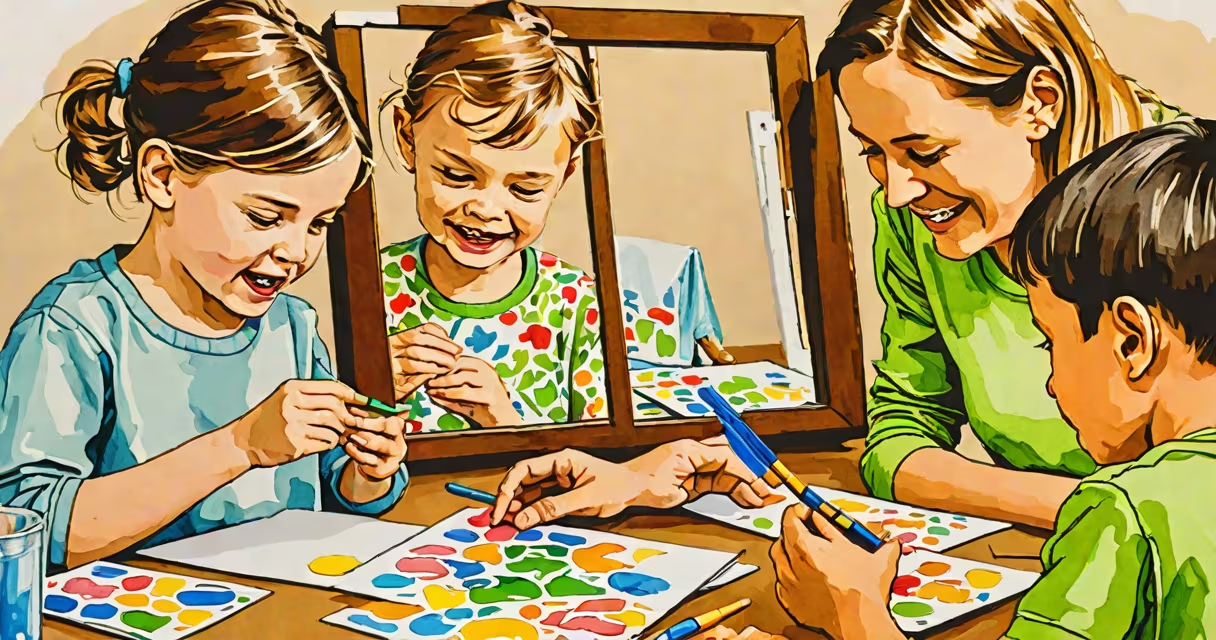
Therapists use evidence-based techniques such as auditory discrimination training, visual cues (like mirrors), and motor-based exercises. These methods are supported by research from the American Speech-Language-Hearing Association (ASHA), which states that consistent, targeted intervention leads to significant improvement in speech accuracy and intelligibility.
Speech therapy targets several distinct domains. The most common include articulation, phonology, fluency, voice, receptive and expressive language, and social communication.
| Area | Description | Example |
|---|---|---|
| Articulation | Correct production of speech sounds | Practicing /s/, /z/, /sh/ sounds in words like "snake," "zoo," "shoe" |
| Phonology | Sound patterns and rules in language | Fixing consistent errors like saying "tat" for "cat" due to rule-based substitutions |
| Fluency | Smooth flow of speech without stuttering | Using slow, rhythmic breathing and gentle speech initiation techniques |
| Expressive Language | Ability to express thoughts verbally | Building sentences with 8-word structures to improve complexity and clarity |
| Receptive Language | Understanding spoken language | Following multi-step instructions like "Pick up the red book and put it on the chair." |
One often overlooked aspect is pragmatic language-the ability to use language appropriately in social contexts. A child may understand words but fail to take turns in conversation or adjust tone based on the listener. Therapists use role-play and video modeling to teach these skills.
Many assume speech therapy is only for children who "talk late." That's incorrect. Adults with brain injuries, Parkinson's disease, or hearing loss also benefit. According to ASHA, over 60% of speech-language pathologists treat adults, especially those recovering from stroke or traumatic brain injury.
Another myth is that speech therapy is purely about correcting accent or pronunciation. While clarity matters, the focus is broader: enabling effective communication. A person with apraxia of speech may speak but struggle to coordinate mouth movements for complex sequences. Therapy helps rebuild motor planning, not just sound accuracy.
A non-obvious correction: speech therapists don't just fix problems-they build resilience. One study published in *Language, Speech, and Hearing Services in Schools* found that children who received early intervention showed better academic performance in reading and math, not just language. This suggests therapy supports cognitive development beyond communication.
Consider a 6-year-old named Jordan who says "I want the wabbit" instead of "I want the rabbit." The therapist identifies a phonological delay involving the /r/ sound. The treatment plan includes:
After six weeks of biweekly sessions, Jordan uses "rabbit" correctly in 90% of trials. The therapist then introduces longer phrases: "I want the big brown rabbit." Progress is tracked using a checklist and parent reports.
I've observed this process firsthand in a school setting. A student with severe articulation delays improved from 30% correct productions to 85% in eight months using this phased approach. The change wasn't just in speech-it affected classroom participation and peer interactions.
Speech therapy occurs in schools, clinics, hospitals, rehabilitation centers, and private practices. It's also available via telehealth platforms, especially since the pandemic increased demand for remote access.
Children under IDEA (Individuals with Disabilities Education Act) qualify for free services in public schools. Adults may receive coverage through Medicare or private insurance, though benefits vary. Some states require prior authorization for therapy sessions.
Speech therapy is not a one-size-fits-all solution. Success depends on consistency, family involvement, and regular progress monitoring. But for millions, it restores the ability to connect, learn, and thrive.