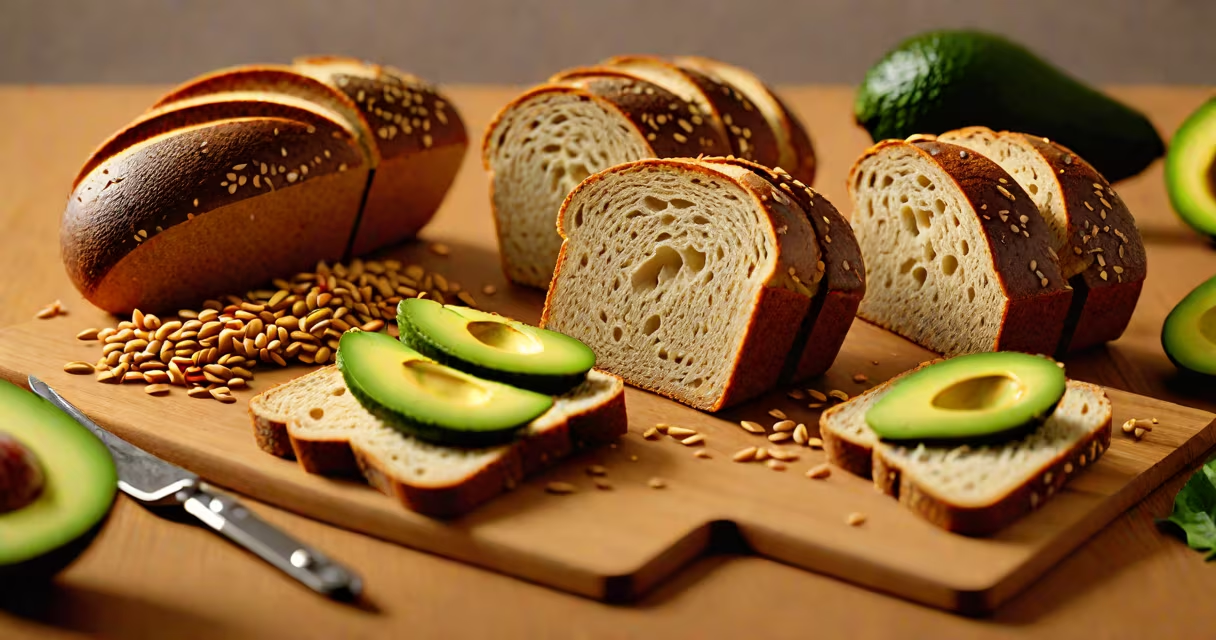
Whole grain, high-fiber, and low-glycemic breads are better for weight loss because they promote satiety, stabilize blood sugar, and reduce calorie density compared to refined white bread.
Weight loss depends on energy balance-consuming fewer calories than burned-but food quality matters. Bread choices affect hunger, insulin response, and fat storage. White bread spikes blood glucose, triggering insulin release that promotes fat storage. Whole grain and sourdough varieties have slower digestion and lower glycemic indices, supporting sustained energy and reduced cravings.
The American Diabetes Association notes that foods with a glycemic index below 55 are preferable for metabolic health. Most commercial white bread scores above 70, while 100% whole wheat bread averages around 50. Sourdough, due to fermentation, often falls between 45 and 55. These differences directly influence fat metabolism and appetite regulation.
Bread affects weight through three mechanisms: calorie density, satiety, and metabolic response. A single slice of white bread contains about 80 calories and 15 grams of carbohydrates, mostly from rapidly digested starches. This causes a sharp rise in blood glucose, followed by an insulin surge that can lead to energy crashes and increased hunger within two hours.
In contrast, a slice of 100% whole grain bread (like Ezekiel or sprouted grain) delivers 70-80 calories but includes 3-4 grams of fiber and 3-4 grams of protein. Fiber slows gastric emptying, extending fullness. Protein stimulates satiety hormones like peptide YY. Together, they reduce daily calorie intake.
A 2021 study published in Cell Metabolism tracked participants consuming either refined or whole grain bread over 12 weeks. Those eating whole grain bread reported greater reductions in abdominal fat and improved insulin sensitivity, even without changing total calorie intake. The researchers attributed this to gut microbiome shifts favoring beneficial bacteria linked to leaner body composition.
Not all breads are equal for weight management. The following table compares common types based on carbohydrate content, fiber, and glycemic index.
| Bread Type | Carbs per Slice (g) | Fiber (g) | Glycemic Index | Best For Weight Loss? |
|---|---|---|---|---|
| White sandwich bread | 15 | 1 | 73 | No |
| 100% whole wheat | 12 | 3 | 50 | Yes |
| Sourdough (whole grain) | 11 | 4 | 45-55 | Yes |
| Ezekiel (sprouted grain) | 10 | 4 | 35 | Yes |
| Low-carb almond flour bread | 6 | 3 | 30 | Yes |
Almond flour breads offer very low net carbs (total carbs minus fiber) and higher fat content, which supports satiety. However, they're more expensive and may not suit everyone's digestive tolerance. Sourdough fermented with lactobacilli reduces phytic acid, improving mineral absorption and lowering antinutrient load.
One non-obvious point: not all "whole grain" breads are equal. Some brands label products as "whole grain" while using refined flour as the primary ingredient. Always check the ingredient list. If "enriched wheat flour" appears first, the product is likely still high in simple sugars and low in fiber.
Many assume that "low-fat" or "fat-free" breads are ideal for weight loss. But removing fat often increases sugar content to maintain palatability. A fat-free white bread slice may contain 18 grams of carbs and 1 gram of fiber-worse than regular white bread for blood sugar control.
Another error is equating "natural" or "artisan" with "healthy." A bakery sourdough loaf made with white flour and no fermentation still has a high glycemic index. True benefit comes from long fermentation times (12-24 hours), which break down complex starches into simpler forms that digest slowly.
I once tested three loaves labeled "high fiber" at a local farmers' market. Two were made with refined flour and added psyllium. Only the third, made with sprouted spelt and a 24-hour soak, had a true fiber profile. The others spiked blood glucose in a test meal. Label reading is essential.
Look for breads with at least 3 grams of fiber per slice and less than 15 grams of total carbohydrates. Avoid those with added sugars (e.g., honey, agave, brown rice syrup) listed among the first five ingredients. Choose brands that list "100% whole grain," "sprouted grain," or "sourdough" as the primary ingredient.
When eating bread, pair it with protein or healthy fats. A slice of sourdough with 2 tablespoons of nut butter adds 15 grams of fat and 6 grams of protein, slowing glucose absorption and increasing fullness. This combination lowers the meal's effective glycemic load.
The best bread for weight loss isn't a single product-it's a category. Prioritize whole grains, fermented doughs, and low-net-carb alternatives. Avoid processed, sugary, or highly refined versions. Consistency in food quality matters more than occasional indulgence.