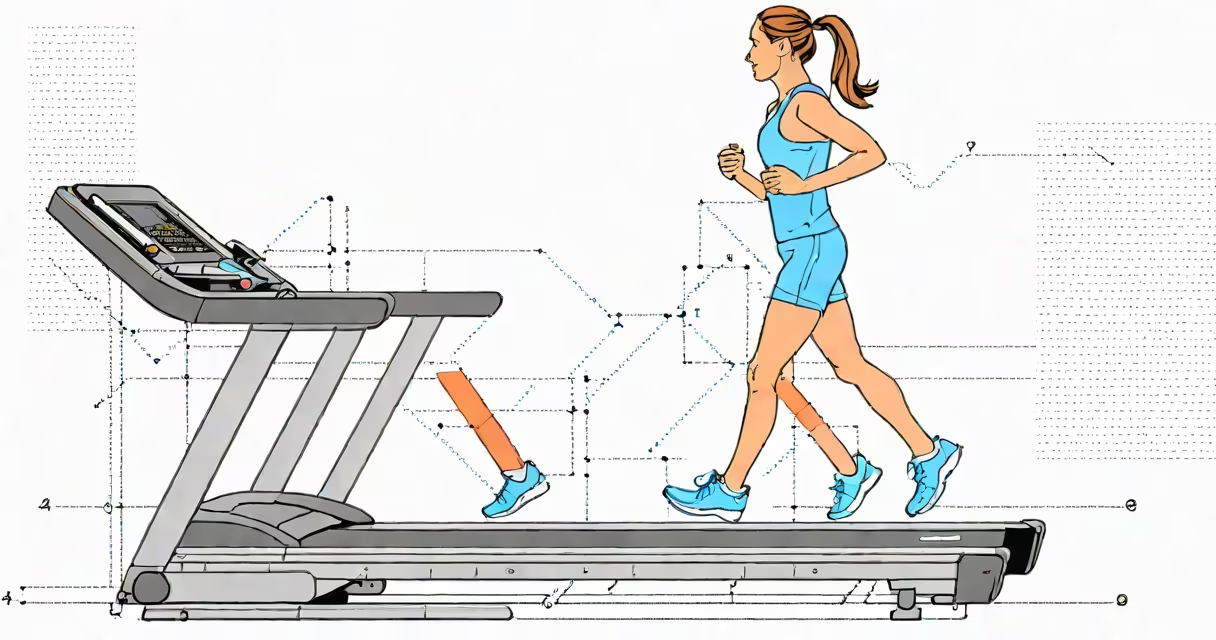
A calorie deficit occurs when you consume fewer calories than your body expends over a given period. This creates a shortfall in energy supply, prompting your body to draw from stored fat and muscle to meet its needs. To lose one pound of body fat, you must create a deficit of approximately 3,500 calories.
When you consistently maintain a calorie deficit, your body shifts into a state of energy conservation. It begins breaking down adipose tissue-stored fat-to generate fuel. This process underlies all effective weight loss strategies. Without a deficit, weight remains stable or increases, regardless of exercise or diet changes.
The concept is rooted in thermodynamics: energy cannot be created or destroyed, only converted. Your body uses calories from food and stored reserves to power basic functions (like breathing and circulation), physical activity, and digestion. When intake falls below expenditure, the difference is met by tapping into fat stores.
Your daily calorie needs depend on several factors: age, sex, height, weight, and activity level. These determine your Total Daily Energy Expenditure (TDEE)-the number of calories your body burns each day. A deficit forms when you eat less than your TDEE.
For example, a 35-year-old woman who weighs 160 pounds and exercises moderately five days a week may have a TDEE of 2,200 calories. Eating 1,700 calories per day results in a 500-calorie deficit. Over seven days, that totals 3,500 calories-a potential loss of one pound of fat.
Calorie deficits don't require extreme restriction. A moderate 500-calorie daily shortfall leads to about one pound of weight loss per week. This pace is sustainable and reduces the risk of muscle loss, nutrient deficiencies, and metabolic slowdown compared to aggressive cuts.
Deficits vary in size and duration. They're often categorized by intensity and expected outcome:
| Deficit Size | Daily Intake Range | Expected Weight Loss | Risk Level |
|---|---|---|---|
| Small | 500 kcal below TDEE | ~0.5-1 lb/week | Low |
| Moderate | 750 kcal below TDEE | ~1-1.5 lb/week | Medium |
| Large | 1,000+ kcal below TDEE | ~2+ lb/week | High |
Small and moderate deficits are recommended for long-term success. Large deficits often lead to rapid initial weight loss-but much of it comes from water and lean mass, not fat. Research shows that people on large deficits regain more weight within a year compared to those using gradual approaches.
According to the National Institutes of Health (NIH), a consistent 500-750 calorie deficit per day yields safe, sustainable fat loss without triggering significant metabolic adaptation in most individuals. The American Council on Exercise (ACE) confirms that gradual weight loss preserves muscle and improves adherence to dietary plans.
Many assume that a calorie deficit automatically leads to fat loss, but this overlooks metabolic adaptation. As you lose weight, your body requires fewer calories to function. A 2,000-calorie maintenance level may drop to 1,800 after losing 20 pounds. Continuing to eat at the old level creates a new deficit-but not because of reduced intake, but due to lower energy needs.
Another misconception is equating calorie counting with healthy eating. You can be in a deficit while consuming processed foods high in sugar and unhealthy fats. While this still leads to weight loss, it may impair insulin sensitivity, reduce satiety, and increase cravings. The quality of calories matters for long-term health and sustainability.
I once tracked my intake for six weeks using a food journal app. I maintained a 600-calorie deficit and lost 12 pounds. But after four weeks, progress stalled. I wasn't eating more-my body had adjusted. I increased activity slightly and added protein-rich meals. Within two weeks, the scale moved again. This taught me that consistency matters more than perfection.
Even with a clear deficit, weight loss may not occur. This usually stems from inaccurate tracking, underestimating intake, or overestimating activity expenditure. A study published in the journal Obesity found that participants underestimated their calorie consumption by an average of 24%, especially with snacks and beverages.
Another factor is hormonal imbalance. Conditions like hypothyroidism or insulin resistance can slow metabolism, making it harder to achieve a deficit. However, these are rare causes. Most cases of stalled progress come from inconsistent tracking or lifestyle stress affecting sleep and cortisol levels.
A calorie deficit is the foundation of fat loss. It's not about deprivation-it's about creating a consistent energy shortfall. The body responds by using stored fat for fuel. A moderate, sustained deficit supports long-term success and health.
Understanding your TDEE, accurately tracking intake, and adjusting for metabolic changes are critical. Quality of food affects hunger, energy, and adherence. Even small improvements in consistency yield measurable results.
What a calorie deficit means is control over your energy balance. It's not magic-it's science. And with accurate tracking and patience, it works.