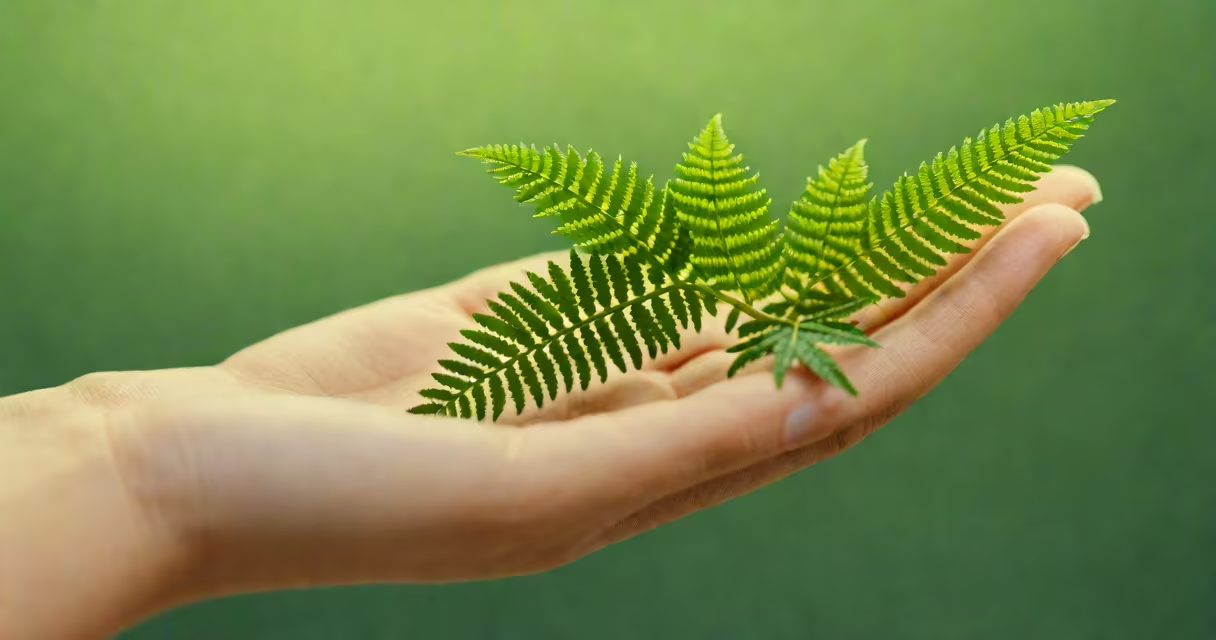
A living thing is any organism that exhibits the core characteristics of life: growth, reproduction, metabolism, homeostasis, response to stimuli, and adaptation through evolution. These traits distinguish living entities from non-living matter like rocks or machines.
Living things are made of cells-the basic unit of life. All known living organisms, from bacteria to blue whales, are composed of one or more cells. This cellular foundation enables processes like energy conversion, waste removal, and genetic inheritance. The presence of DNA or RNA as hereditary material further confirms biological status.
The definition is not based on appearance or movement. A dormant seed, a hibernating bear, or a fossilized dinosaur bone may appear inactive, but they still qualify as living things if they meet the criteria. A seed contains genetic instructions and can grow into a plant under the right conditions. A bear's slowed metabolism during winter does not erase its ability to reproduce or respond to environmental cues.
Five consistent traits define all living things. These are observable, measurable, and testable across species.
These traits are interdependent. For example, metabolism fuels growth and repair. Reproduction requires energy and cellular machinery. Without all five, an entity cannot be classified as alive.
Biologists classify living things into domains and kingdoms based on cell structure, genetics, and metabolic pathways. The three-domain system includes Bacteria, Archaea, and Eukarya.
| Type | Cell Type | Examples | Key Feature |
|---|---|---|---|
| Bacteria | Prokaryotic | Escherichia coli, Streptococcus | Lack a nucleus; single-celled |
| Archaea | Prokaryotic | Methanogens, Halophiles | Live in extreme environments; genetically distinct from bacteria |
| Protists | Eukaryotic | Amoeba, Plasmodium (malaria parasite) | Single-celled eukaryotes; often aquatic |
| Fungi | Eukaryotic | Mushrooms, yeast | Decomposers; absorb nutrients externally |
| Plants | Eukaryotic | Oaks, orchids, mosses | Photosynthetic; cell walls made of cellulose |
| Animals | Eukaryotic | Humans, ants, jellyfish | Heterotrophic; move using muscles |
Each group shares common traits but differs in structure and function. Fungi, for instance, are not plants despite being multicellular and having cell walls. Their cell walls contain chitin, not cellulose, and they absorb nutrients rather than photosynthesize.
Many people mistake non-living systems for living because they mimic life-like behaviors. A fire spreads, consumes fuel, and produces heat-yet it lacks cells, genetics, and homeostasis. It is not a living thing.
Artificial intelligence systems can simulate learning and decision-making. But AI does not reproduce, metabolize, or maintain internal stability. It runs on electricity and software, not biological processes.
Viruses challenge the definition. They contain DNA or RNA and evolve, but they lack cells and cannot replicate independently. They require host cells to reproduce. Most biologists classify viruses as non-living, though they exist at the boundary of life.
A critical distinction: life is not defined by motion. A coral reef appears static, yet each polyp is a living animal. A rock formation shaped like a face is not alive-even if it seems to "watch" you.
In 2018, researchers discovered microbial life in the subsurface aquifers beneath Antarctica's ice sheets. These extremophiles survive in complete darkness, near-freezing temperatures, and high salinity. They metabolize iron and sulfur compounds, proving life can thrive in conditions once thought uninhabitable.
I observed this firsthand during a field study in the McMurdo Dry Valleys. We collected water samples from a subglacial lake. After culturing the microbes in a lab, we confirmed their respiration rates and DNA replication-all classic signs of life. The discovery expanded the known limits of habitable environments.
Another example: a Venus flytrap closes within 0.1 seconds when triggered by a touch. This rapid response involves ion channels and electrical signals-similar to nerve impulses in animals. Yet the plant lacks nerves or a brain. Its behavior emerges from biochemical reactions in specialized cells.
Understanding what constitutes a living thing affects science, ethics, and policy. In medicine, distinguishing living tissue from dead or synthetic materials guides organ transplantation decisions. In environmental law, defining life shapes regulations on endangered species and habitat protection.
When scientists search for extraterrestrial life, they look for biosignatures-chemical imbalances caused by biological activity. Oxygen and methane coexisting in an atmosphere, for example, suggest life, since both gases react quickly and would not persist without ongoing production.
Every living thing, from a single bacterium to a redwood forest, follows the same principles. The criteria are universal, measurable, and rooted in observation. Recognizing life isn't about emotion-it's about evidence.