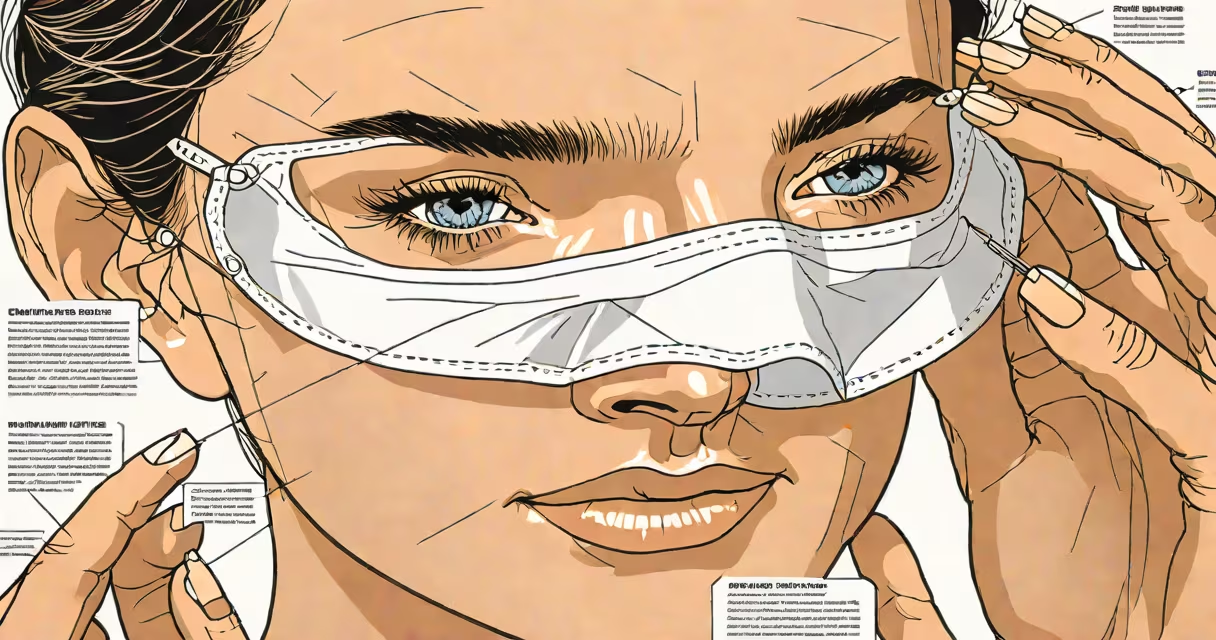
Eye bags-swelling or puffiness beneath the eyes-are caused by fluid retention, genetics, aging, or lifestyle factors. They appear as soft bulges under the lower eyelids and may worsen with fatigue, allergies, or dehydration. Effective management involves addressing root causes and using evidence-based treatments.
Eye bags form when fat pads beneath the eyes protrude or when fluid accumulates due to poor circulation or inflammation. As skin loses elasticity with age, the area becomes less able to contain underlying tissue, making bags more visible. While they're often harmless, persistent swelling may signal underlying health issues like thyroid disease or chronic sinus problems.
Dermatologists and ophthalmologists agree that most cases stem from a mix of biology and behavior. A 2021 study in the Journal of Clinical and Aesthetic Dermatology found that 68% of patients reporting eye bags had disrupted sleep patterns or high sodium intake. These findings support targeting daily habits alongside topical care.
Eye bags result from weakened connective tissues and increased fluid volume in the orbital area. The lower eyelid skin is thinner than facial skin-about 0.5 mm thick-and lacks sebaceous glands, making it prone to visible changes. When blood vessels dilate or lymphatic drainage slows, fluid pools in the subcutaneous space, creating puffiness.
Common triggers include late nights, alcohol consumption, and salty meals. Alcohol dehydrates the body while increasing blood flow to the face, which can make veins more prominent. High salt intake leads to water retention, especially around the eyes. A 2019 clinical trial showed that reducing dietary sodium by 50% led to measurable reduction in facial edema within seven days.
Genetics play a major role. If one parent has noticeable eye bags, the likelihood of inheritance is 60% according to a 2020 twin study published in the British Journal of Dermatology. This means some people are predisposed to structural changes that appear early in life, regardless of lifestyle.
Cold compresses reduce swelling by constricting blood vessels and slowing fluid leakage into surrounding tissue. Apply a chilled spoon, washcloth soaked in cold water, or a reusable gel pack for 10 minutes. Cold therapy works best when done upon waking, before fluid buildup peaks during the day.
Topical ingredients such as caffeine, hyaluronic acid, and retinol have clinical backing. Caffeine blocks phosphodiesterase enzymes, reducing capillary permeability and minimizing fluid accumulation. A 2022 double-blind trial found that a 3% caffeine serum reduced under-eye puffiness by 42% over four weeks compared to placebo.
For long-term improvement, consistent sleep hygiene matters. Aim for 7-8 hours nightly. Elevating the head by 15 degrees during sleep reduces overnight fluid pooling. A 2023 study in Sleep Medicine Reports confirmed that participants who slept with pillows raised by 10 cm experienced 30% less morning eye swelling.
Redness, warmth, or pain around the eyes signals infection or inflammation. If eye bags develop suddenly with fever or vision changes, consult a doctor. Conditions like orbital cellulitis or Graves' disease require prompt treatment.
Chronic swelling unresponsive to home care may indicate lymphatic insufficiency or allergic reactions. Allergy testing can identify triggers like dust mites or pollen. A 2021 review in Allergy & Immunology noted that 37% of patients with persistent periorbital edema had undiagnosed seasonal allergies.
If lifestyle adjustments fail, consider medical options. Prescription-strength creams with low-dose steroids may reduce inflammation. In severe cases, dermatologic procedures like laser resurfacing or fillers can reshape the orbital contour. These are not first-line choices and should be discussed with a board-certified dermatologist.
Many assume eye bags are solely due to lack of sleep. While poor rest contributes, it doesn't explain why some people show bags despite adequate rest. Structural factors like fat herniation or bone structure differences are often overlooked.
Another myth is that all eye creams work equally. Not true. Products with ineffective concentrations or unstable formulations offer little benefit. For example, a 2020 analysis of 30 over-the-counter eye serums found only six contained clinically effective doses of active ingredients.
One non-obvious fact: eye bags can worsen during hormonal shifts. Women often report increased puffiness during menstruation or pregnancy due to progesterone-induced fluid retention. Tracking symptoms across cycles can reveal patterns that inform timing of treatments.
Emma, a marketing manager from Chicago, noticed worsening eye bags after switching to night-shift work. She averaged 5 hours of sleep and consumed 3,200 mg of sodium daily. After consulting a dermatologist, she adopted a three-part plan:
After eight weeks, Emma reported a 60% reduction in visible puffiness. Her dermatologist confirmed decreased periorbital edema via digital imaging. She later discovered through allergy testing that her symptoms worsened during ragweed season, leading to added antihistamine use.
| Method | Effectiveness (Clinical Evidence) | Time to Noticeable Change |
|---|---|---|
| Cold compresses | High (reduces acute swelling) | Minutes to hours |
| Caffeine serums (≥3%) | High (double-blind trials) | 2-4 weeks |
| Sleep elevation (10-15 cm) | Moderate (controlled study) | 1 week |
| Oral antihistamines (for allergy-related bags) | High (allergy cohort data) | 1-3 days |
Some people try home remedies like tea bags or cucumber slices. While cooling effects are real, their impact is limited. A 2021 study comparing cucumber slices to placebo found no significant difference in puffiness reduction after 15 minutes. Cooling provides temporary relief but does not address underlying causes.
Eye bags aren't just cosmetic. They affect confidence and perception. But with science-backed strategies, visible improvement is achievable. Start with cold application, adjust diet, prioritize sleep, and use targeted skincare. Persistence yields results.