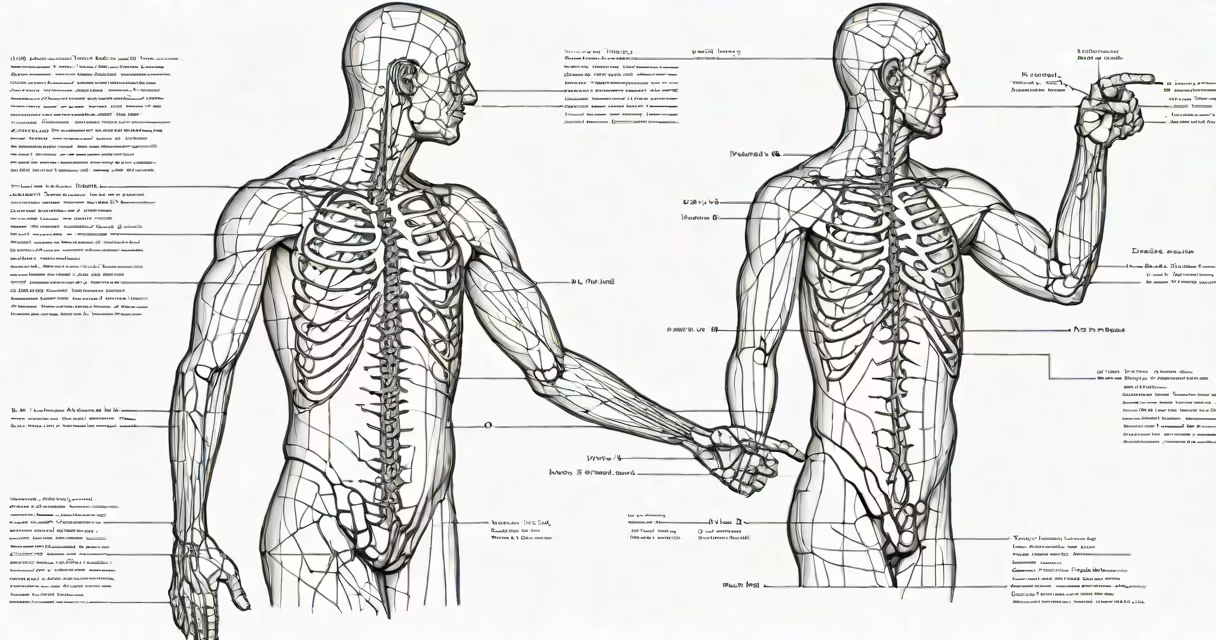
Pain on the left side of the body arises from diverse sources including musculoskeletal strain, organ-related conditions, and neurological factors. It may affect the back, abdomen, ribs, or limbs, depending on the underlying issue.
Localized discomfort on the left side often results from physical stress, such as lifting heavy objects or poor posture during prolonged sitting. However, persistent or severe pain may signal internal problems requiring medical evaluation. Conditions affecting organs like the spleen, left kidney, or parts of the colon are known contributors.
The left side of the body hosts important structures: the left lung, spleen, left kidney, part of the large intestine, and portions of the digestive tract. Pain originating from these areas varies in quality-sharp, dull, cramping, or constant-and may worsen with movement, eating, or breathing. Identifying the source requires attention to location, duration, and associated symptoms.
Pain on the left side typically begins when nerve signals from damaged tissue or inflamed organs travel through spinal pathways to the brain. The brain interprets these signals as pain based on intensity and location. For example, irritation of the diaphragm's left side due to referred pain from the spleen can mimic muscle strain.
Some conditions cause pain that radiates. A kidney stone passing through the left ureter may start as a deep ache in the flank and move toward the groin. Similarly, a herniated disc in the lower spine can compress nerves, leading to shooting pain down the left leg.
Neurological pain often follows dermatomal patterns-specific skin regions innervated by individual spinal nerves. Left-sided sciatica, for instance, usually presents as burning or tingling along the path of the sciatic nerve, from the lower back through the buttock and down the back of the thigh.
Conditions causing left-side pain differ by anatomical region. Back, abdominal, rib, and limb pain each have distinct etiologies.
| Body Region | Most Likely Causes | Key Symptoms |
|---|---|---|
| Back (lower left) | Herniated disc, spinal stenosis, muscle strain | Dull or sharp pain worsening with bending; numbness or weakness in leg |
| Abdomen (upper left) | Spleen enlargement, gastritis, pancreatitis | Bloating, nausea, tenderness to touch, fever |
| Ribs (left side) | Costochondritis, rib fracture, shingles | Sharp pain with deep breaths; localized swelling or rash |
| Lower left quadrant | Diverticulitis, constipation, ovarian cysts (in women) | Cramping, change in bowel habits, bloating |
For example, diverticulitis-a condition where small pouches in the colon become inflamed-often causes sudden, severe pain in the lower left abdomen. It affects approximately 1 in 3 adults over 60 in the U.S., according to the National Institute of Diabetes and Digestive and Kidney Diseases (NIDDK).
When pain occurs in multiple areas, systemic illness may be involved. Lupus or rheumatoid arthritis can cause bilateral joint pain, but flare-ups may initially affect one side more intensely. Autoimmune disorders are less common but important to consider in chronic cases.
Many people assume left-side pain stems from muscle strain or overuse, especially if they've recently lifted something heavy. This assumption delays diagnosis when the root cause is something more serious.
One overlooked distinction: visceral pain (from internal organs) differs from somatic pain (from muscles or bones). Visceral pain tends to be dull, poorly localized, and may be felt in a different area than the source. For instance, a heart attack can present as left shoulder or jaw pain, not chest tightness-especially in women, per the American Heart Association.
Another error is dismissing pain that improves with rest. While muscle strains improve with time, organ-based pain may persist or return. Left kidney stones, for example, often cause intermittent flanks pain that lasts hours to days, not minutes.
Red flags include pain lasting more than 48 hours, fever, vomiting, blood in stool or urine, unexplained weight loss, or neurological changes like leg weakness. These warrant prompt evaluation.
I once observed a patient who reported weeks of mild left lower back pain. He attributed it to gardening. After a CT scan revealed a 1.2 cm kidney stone blocking the left ureter, he required hydration and medication to pass it. Delaying care risked infection or kidney damage.