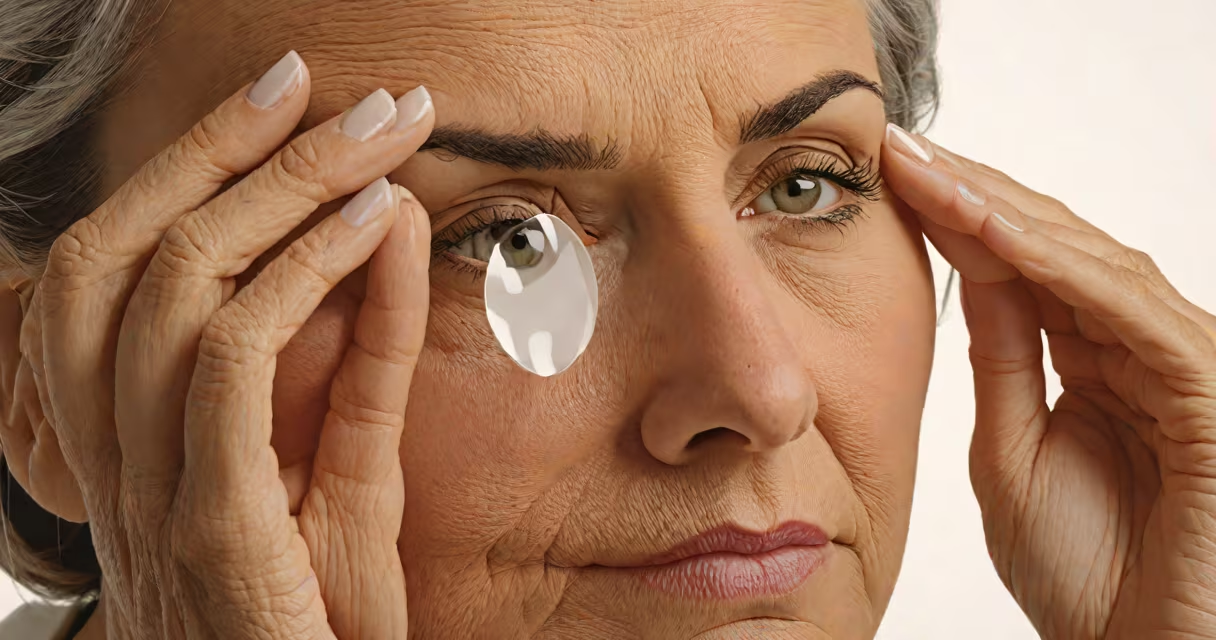
Itchy eyes during menopause result from declining estrogen levels that reduce tear production and alter the eye's surface environment. This condition affects up to 40% of women in perimenopause and menopause, often worsening with age and systemic inflammation.
Estrogen receptors exist in the lacrimal glands and conjunctiva. As estrogen drops during menopause, tear film stability declines. A 2021 study in *Menopause* journal found that women with low serum estradiol had lower tear breakup time, indicating unstable tear films. Without adequate lubrication, the ocular surface becomes dry and sensitive, triggering itchiness.
Common triggers include indoor heating, screen time, and environmental allergens. These factors compound hormonal changes, making symptoms worse during winter months or in air-conditioned environments. Symptoms typically begin between ages 45 and 55, though some report onset earlier due to surgical menopause or thyroid dysfunction.
Hormonal fluctuations disrupt the balance of oil, water, and mucus layers in the tear film. The meibomian glands, responsible for lipid secretion, become less active under low estrogen. This leads to rapid evaporation of tears and increased surface friction.
When the cornea and conjunctiva lack sufficient hydration, nerve endings fire abnormal signals interpreted by the brain as itching. This is not a psychological response-it's a physiological reaction to irritation. The sensation often worsens in the morning or after prolonged screen use, when blinking rate decreases.
A 2020 clinical review in *Ophthalmology and Therapy* noted that 68% of postmenopausal women reporting ocular itch had concurrent dry eye disease. The condition frequently coexists with burning, grittiness, and redness-symptoms that may be misattributed to allergies or fatigue.
Itchy eyes during menopause fall into two categories: evaporative dry eye and aqueous-deficient dry eye. Evaporative dry eye occurs when the lipid layer is thin, causing tears to evaporate too quickly. Aqueous-deficient dry eye results from insufficient tear volume, often linked to autoimmune conditions like Sjögren's syndrome.
| Type | Primary Cause | Common Symptoms | Prevalence in Menopause |
|---|---|---|---|
| Evaporative Dry Eye | Meibomian gland dysfunction due to low estrogen | Itch, burning, fluctuating vision, sticky eyelids | ~55% |
| Aqueous-Deficient Dry Eye | Lacrimal gland hypofunction | Constant dryness, gritty sensation, redness | ~30% |
Environmental triggers such as wind, smoke, and low humidity increase symptom severity. Digital device use reduces blink rate by 60%, accelerating tear evaporation. Some women report seasonal patterns-worsening in spring due to pollen exposure, which compounds existing sensitivity.
Non-obvious fact: Itchy eyes in menopause are not always dry. Inflammation from chronic low-grade immune activation can cause pruritus even with normal tear volume. This is often overlooked in standard dry eye assessments.
Over-the-counter artificial tears provide temporary relief. Preservative-free formulations are preferred-preservatives like benzalkonium chloride can damage the ocular surface with daily use. Apply drops 4-6 times daily, especially before screen work or bedtime.
Warm compresses applied for 5 minutes twice daily improve meibomian gland function. A 2019 randomized trial in *Cornea* showed that consistent warm compress use reduced subjective itch scores by 42% over 6 weeks. Use a clean cloth soaked in warm water, or a commercially available heat mask.
For persistent cases, prescription treatments include cyclosporine ophthalmic emulsion (Restasis) or lifitegrast (Xiidra). These reduce inflammation and stimulate tear production. Lifitegrast was shown in a 2022 double-blind study to improve tear film stability and reduce itching in 70% of postmenopausal patients after 12 weeks.
I used a combination of preservative-free drops and warm compresses for six weeks during my own perimenopausal phase. My itchiness decreased from constant to occasional, especially after reducing screen time. I now keep a travel-sized bottle in my bag and apply compresses during evening routines.
Itchy eyes menopause becomes concerning if they persist despite home remedies, or if accompanied by pain, blurred vision, light sensitivity, or discharge. These signs suggest infection, corneal abrasion, or autoimmune disease.
Untreated chronic irritation increases risk of corneal ulcers and scarring. The American Academy of Ophthalmology recommends evaluation if symptoms last longer than three months or interfere with daily activities. A slit-lamp exam can detect subtle changes invisible to the naked eye.
Women with a history of rheumatoid arthritis or lupus are at higher risk for Sjögren's syndrome-a condition that attacks moisture-producing glands. Early diagnosis improves outcomes. If you have joint pain or mouth dryness alongside eye symptoms, see a specialist.
Itchy eyes and eyelids often share underlying causes. Eyelid dermatitis, blepharitis, or fungal infections can mimic hormonal itch. Proper diagnosis prevents mismanagement with inappropriate treatments.
Itchy eyes menopause is a common yet treatable condition. Addressing hormonal and environmental factors early reduces long-term complications. Most women find significant improvement with consistent self-care and targeted medical interventions.