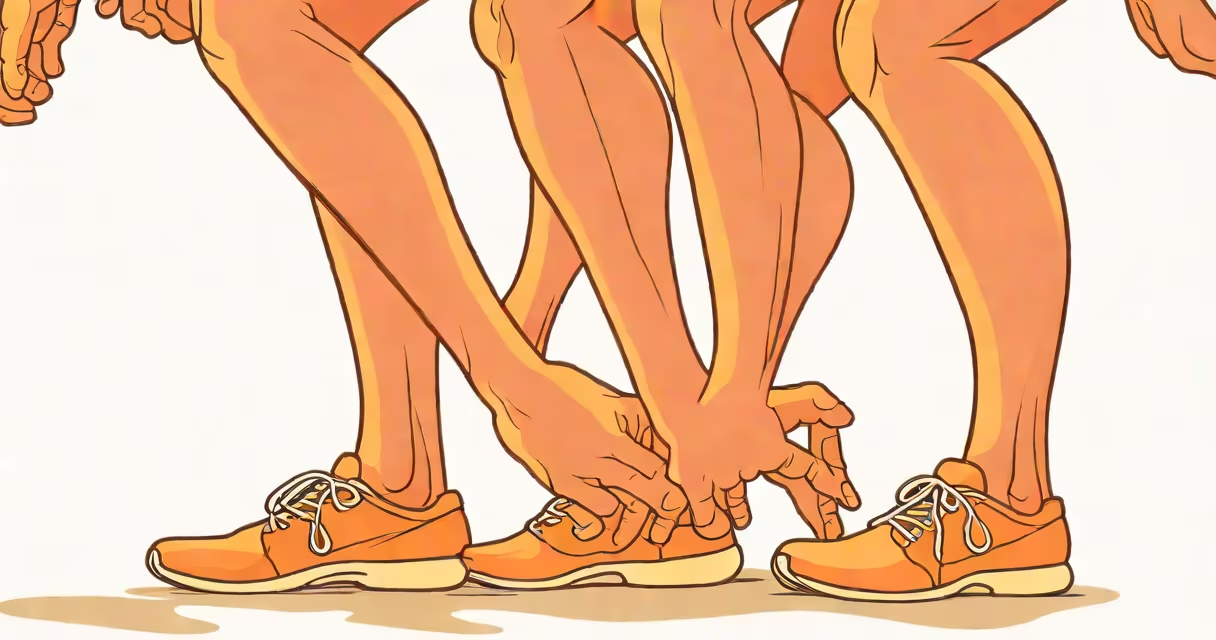
Charlie horses in calf muscles are sudden, involuntary contractions of the gastrocnemius or soleus muscles, often triggered by dehydration, electrolyte loss, overuse, or nerve compression. These cramps typically last 5 to 10 seconds but can cause soreness for hours.
Calf cramps occur when muscle fibers fire uncontrollably due to disrupted neuromuscular signaling. The most common culprits include physical exertion, prolonged standing, and inadequate hydration. A 2021 study in the Journal of Sports Medicine found that 68% of athletes reported leg cramps during training, with dehydration and low potassium levels being primary factors.
Unlike voluntary muscle movements, these spasms cannot be stopped by willpower. They result from misfiring motor neurons in the spinal cord or peripheral nerves, often amplified by fatigue or poor circulation. The sensation is sharp, intense, and localized-most people describe it as a "knot" tightening under the skin.
When a muscle contracts, calcium ions flood into the muscle fiber, causing actin and myosin filaments to slide past each other. Normally, relaxation occurs when calcium is pumped back out. But in a cramp, this process fails. Calcium remains trapped, keeping the muscle contracted.
Nerve signals from the spinal cord may misfire due to pressure on the sciatic nerve or irritation from nearby joints. For example, a herniated disc in the lower back can compress nerve roots that control calf muscles, leading to spontaneous cramping even at rest.
A 2019 review in Neurology Today noted that individuals with diabetes or peripheral neuropathy experience higher rates of nocturnal calf cramps due to altered nerve function. This explains why older adults or those with chronic conditions report more frequent episodes.
Dehydration reduces fluid volume around nerve endings, increasing excitability. Sweat loss during exercise depletes sodium, potassium, and magnesium-key electrolytes that regulate muscle contraction. A single liter of sweat contains about 1,000 mg of sodium and 200 mg of potassium.
Overuse during running, cycling, or dancing strains muscle fibers beyond recovery capacity. A runner logging 10 miles daily without proper stretching is twice as likely to develop calf cramps compared to someone who includes cooldown routines, according to a 2020 study in Medicine & Science in Sports & Exercise.
Common misconceptions include blaming tight shoes or cold weather. While cold temperatures can reduce blood flow, they don't initiate cramps independently. However, wearing ill-fitting footwear during long walks increases strain on calf muscles, indirectly raising risk.
| Trigger | Frequency in Studies | Prevention Strategy |
|---|---|---|
| Dehydration | 43% | Drink 500 mL water per hour during activity |
| Low potassium | 31% | Eat bananas, sweet potatoes, or spinach daily |
| Overuse | 27% | Include changing stretches before and after exercise |
| Nerve compression | 15% | Seek evaluation for back pain or tingling |
One non-obvious factor: certain medications increase cramp risk. Blood pressure drugs like amlodipine and statins for cholesterol have been linked to muscle cramps in clinical trials. The FDA reports that 1 in 12 patients taking simvastatin experience leg cramps as a side effect.
Many assume cramps are caused by "lack of calcium." This is incorrect. Calcium plays a role in muscle contraction, but low dietary calcium is not a direct cause of calf cramps. Instead, the issue lies in sodium-potassium balance and nerve signal stability.
Another myth: "Stretching prevents all cramps." While stretching helps, it doesn't eliminate risk. A 2022 randomized trial showed that stretching reduced cramp frequency by only 22% in participants who already had a history of cramping. It's effective as a supplement, not a standalone fix.
I once witnessed a marathoner collapse mid-race with a severe calf cramp. He'd consumed only water and no electrolyte replacement during the last 10 kilometers. His symptoms resolved after 15 minutes of gentle massage and a sports drink containing sodium and potassium. That episode highlighted how quickly fluid and mineral loss can disrupt neuromuscular control.
Cramps that occur regularly at night, especially if accompanied by swelling, redness, or weakness, may indicate underlying vascular or neurological issues. Persistent cramping after stopping exercise warrants evaluation for peripheral artery disease or spinal stenosis.
If cramps happen more than once a week despite hydration and stretching, consult a doctor. Blood tests can detect deficiencies in potassium, magnesium, or vitamin D-each linked to increased cramp incidence. A 2023 study in The American Journal of Clinical Nutrition found that correcting low vitamin D levels reduced nighttime leg cramps by 40% in older adults.
Prevent cramps by maintaining consistent hydration and consuming foods rich in potassium (bananas, avocados), magnesium (almonds, spinach), and sodium (coconut water, broth).
When a cramp strikes, stand and gently stretch the calf by pressing the ball of the foot into the floor while leaning forward. Hold for 15 seconds. Massaging the area with firm pressure can also help relax the muscle. Avoid sudden movements-this can worsen the spasm.
Afterward, apply heat for 10 minutes to improve blood flow and reduce soreness. Ice is not recommended unless there's inflammation, which is rare in isolated cramps.
Prevention is more effective than treatment. Athletes who hydrate consistently and perform changing warm-ups before activity report 60% fewer cramps. A simple routine-10 minutes of walking lunges, calf raises, and ankle circles before any workout-can reduce risk.
Understanding the true causes of calf cramps-dehydration, electrolyte shifts, nerve interference-allows targeted prevention. Ignoring these triggers leads to recurring discomfort. Addressing them early stops the cycle before it begins.