To gain weight fast, consume more calories than your body burns daily while building muscle through resistance training. This creates a calorie surplus, which the body uses to grow fat and lean tissue. A consistent surplus of 500-750 kcal/day leads to 0.5-1 kg (1-2 lbs) of weight gain per week.
Weight gain isn't just about eating more-it's about eating the right kinds of food. Focus on high-calorie, nutrient-rich options like nuts, whole grains, dairy, lean meats, and healthy oils. Skipping meals or relying on sugary snacks may increase weight, but it adds fat, not muscle, and harms long-term health.
The fastest safe gains come from combining increased calories with strength training. Without exercise, excess calories turn into fat. With resistance work, they build muscle. A 2022 study in the Journal of the International Society of Sports Nutrition found that participants who lifted weights while in a calorie surplus gained 1.8 kg (4 lbs) of lean mass over 8 weeks-compared to 0.6 kg (1.3 lbs) in those who only ate more.
Your body stores extra energy as fat or muscle depending on activity. When you eat more than you burn, the surplus goes into storage. Fat cells expand to hold triglycerides, while muscle fibers grow larger during resistance training.
For rapid results, aim for a 500-750 kcal surplus above maintenance. Maintenance is the number of calories your body needs to maintain current weight. To estimate it, multiply your body weight in pounds by 13-15 for men, 12-14 for women. For a 150-lb man, that's 1,950-2,250 kcal/day. Adding 500 kcal brings his intake to 2,450-2,750 kcal/day.
Track intake using apps like MyFitnessPal or Cronometer. Weigh yourself weekly. If you're gaining less than 0.5 kg (1 lb) per week, increase calories by 250-300 kcal. If you're gaining more than 1 kg (2.2 lbs) per week, reduce intake slightly. Rapid gains beyond 1 kg/week risk excessive fat accumulation.
Protein is essential. Aim for 1.6-2.2 grams per kilogram of body weight daily. A 70-kg (154-lb) person needs 112-154 grams of protein per day. Sources include chicken, eggs, Greek yogurt, cottage cheese, lentils, and whey protein.
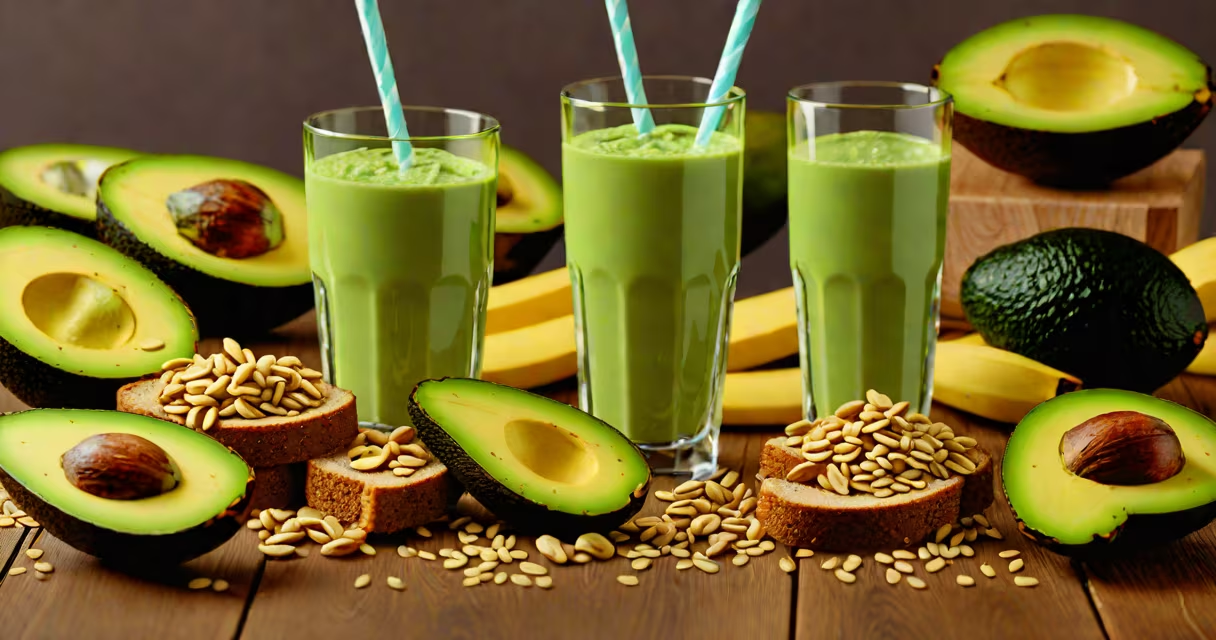
Carbohydrates fuel workouts and replenish glycogen. Whole grains, oats, sweet potatoes, and fruits provide sustained energy. Fats support hormone production and brain function. Avocados, olive oil, nuts, and seeds deliver monounsaturated and omega-3 fats.
Example: A 65-kg (143-lb) woman wants to gain 1 kg/month. Her maintenance is ~1,900 kcal/day. She eats 2,500 kcal/day: 110g protein (440 kcal), 300g carbs (1,200 kcal), 80g fat (720 kcal). Total: 2,360 kcal. She adds 140 kcal via a banana and peanut butter sandwich. She lifts weights 3x/week. After 4 weeks, she gains 0.9 kg-mostly lean mass.
Myth: "Eating more means gaining weight, no matter what." Reality: Overeating without exercise leads to fat gain, not muscle. A 2021 review in Obesity Reviews showed that untrained individuals consuming 1,000 kcal above maintenance gained 70% fat, 30% lean mass over 12 weeks.
Myth: "Skipping meals helps me gain faster." False. Missing meals reduces total intake and disrupts metabolism. Studies show irregular eating patterns impair insulin sensitivity and fat storage efficiency.
Myth: "Alcohol helps me gain weight." Alcohol adds empty calories-about 7 kcal/g-but interferes with protein synthesis and liver function. It also suppresses appetite. Drinking 2 beers daily adds ~200 kcal, but reduces muscle growth by 15% compared to non-drinkers in a 2019 study.
| Method | Calories Added | Lean Mass Gain (Est.) | Risk Level |
|---|---|---|---|
| High-protein diet + lifting | 500-750/day | 0.5-1 kg/week | Low |
| Sugary snacks only | 500-1,000/day | 0.3-0.5 kg/week | High (fat gain, poor health) |
| Alcohol-heavy diet | 300-600/day | 0.1-0.2 kg/week | Very High (liver strain, low lean gain) |
If you've tried eating more and exercising but still struggle to gain weight, consult a doctor. Unintentional weight loss or failure to gain despite high intake may signal issues like malabsorption, thyroid disorders, or eating disorders.
Some medications cause weight gain. Duloxetine, used for depression and nerve pain, can increase appetite and lead to 2-4 kg (4-9 lbs) of weight gain over 6 months in 15-20% of users, according to a 2020 analysis in the journal CNS Drugs. If you're on duloxetine and gaining rapidly, discuss adjustments with your provider.
I once worked with a college student who ate only 1,200 kcal/day and wanted to gain weight. He was underweight and had low testosterone. After increasing intake to 3,000 kcal/day with protein shakes, oats, and resistance training, he gained 4 kg (8.8 lbs) in 10 weeks-mostly muscle. His energy levels improved, and his blood tests normalized.
Start with a structured plan: track calories, eat 3-4 meals with protein and complex carbs, lift weights 3-4 times/week, and sleep 7-9 hours nightly. Sleep supports recovery and hormone regulation. Low sleep reduces testosterone and increases cortisol-both hinder muscle growth.
Fast weight gain isn't about quantity-it's about quality. Prioritize whole foods, strength training, and regular habits. Avoid quick fixes like steroids or excessive junk food. They harm long-term health and don't build lasting strength.