Painful menstruation, or dysmenorrhea, is characterized by cramping and discomfort during periods caused by uterine contractions triggered by prostaglandins. Preventive strategies focus on reducing prostaglandin levels, regulating hormones, and managing inflammation through medication, lifestyle adjustments, and targeted therapies.
Primary dysmenorrhea-pain without underlying pelvic disease-typically begins within six months of menarche and affects up to 90% of adolescent females. Secondary dysmenorrhea, linked to conditions like endometriosis or fibroids, often develops later and may worsen over time. Effective prevention requires identifying the root cause and tailoring interventions accordingly.
The American College of Obstetricians and Gynecologists (ACOG) states that nonsteroidal anti-inflammatory drugs (NSAIDs) such as ibuprofen reduce prostaglandin synthesis, decreasing both pain and blood loss. A 2021 Cochrane review confirmed NSAIDs provide significant pain reduction compared to placebo, with 60% of users reporting moderate to marked improvement after 24 hours.
Prevention centers on interrupting the biochemical cascade that causes uterine contractions. Prostaglandins, hormone-like substances produced in the endometrium, stimulate muscle contractions that can restrict blood flow and cause ischemia-leading to pain. NSAIDs inhibit cyclooxygenase enzymes (COX-1 and COX-2), which are essential for prostaglandin production.
Hormonal contraceptives, including combined oral contraceptives and progestin-only methods, suppress ovulation and thin the endometrial lining. This reduces prostaglandin output and decreases menstrual volume. A 2020 study in Obstetrics & Gynecology found that women using combined oral contraceptives reported 50% less severe cramps over six months compared to non-users.
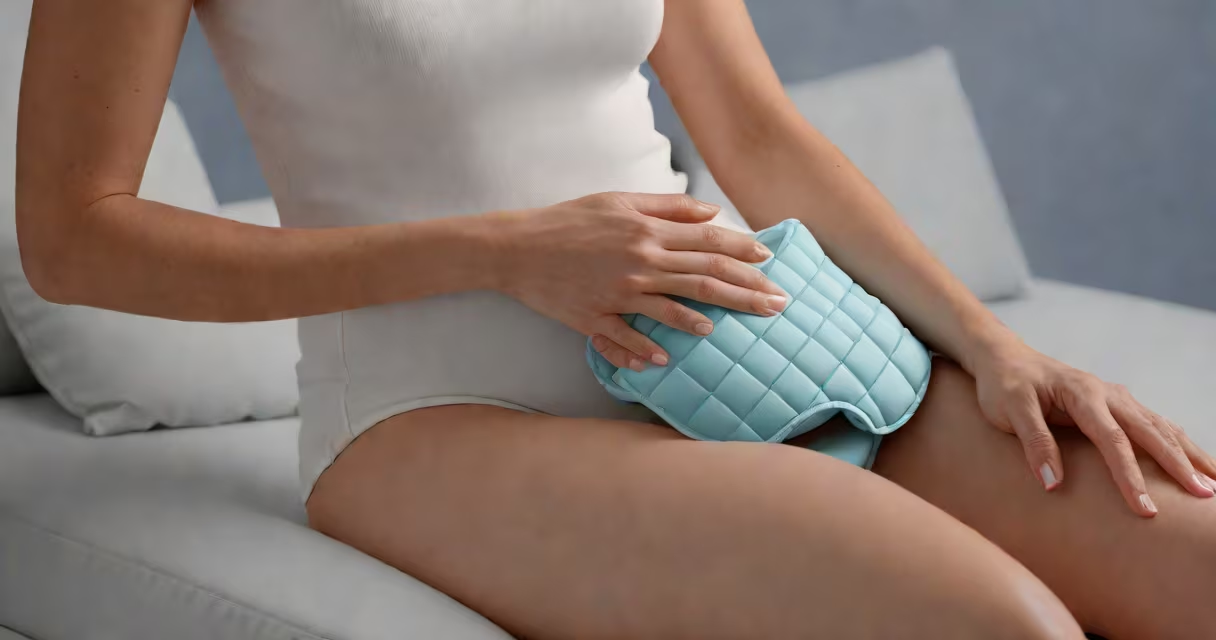
Heat therapy provides immediate relief by increasing blood flow to the pelvic area and relaxing smooth muscle. A randomized controlled trial published in European Journal of Obstetrics & Gynecology and Reproductive Biology showed that applying a 40°C heating pad for 20 minutes reduced pain intensity by 38% within one hour, comparable to ibuprofen in efficacy.
Prevention strategies fall into pharmacological, physical, and lifestyle categories. Each targets different mechanisms of pain generation.
| Method | How It Works | Effectiveness (Based on Clinical Trials) |
|---|---|---|
| NSAIDs (e.g., ibuprofen 400 mg) | Inhibits COX enzymes, reducing prostaglandin synthesis | 60-70% report pain reduction; most effective when taken at onset of symptoms |
| Hormonal birth control (combined pill) | Suppresses ovulation and thins endometrium | 50% reduction in cramp severity over 6 months; consistent use required |
| Heat therapy (40°C heating pad) | Dilates blood vessels, relaxes uterine muscles | 38% pain reduction in 60 minutes; safe for long-term use |
| Regular exercise (30 min/day, 3x/week) | Increases endorphin release, improves circulation | 42% fewer days with moderate-to-severe pain over 12 weeks |
Exercise reduces pain by stimulating endogenous opioids and improving pelvic blood flow. A 2019 study in Journal of Women's Health found that women who engaged in moderate aerobic activity three times weekly reported less menstrual pain than sedentary peers, even after adjusting for BMI and stress levels.
Many assume that pain during menstruation is normal and must be endured. This belief contributes to delayed diagnosis of secondary dysmenorrhea. A 2022 survey by the Endometriosis Foundation of America found that 63% of women with endometriosis waited over two years to seek care due to normalization of pain.
Another misconception is that birth control pills always eliminate cramps. While they reduce pain in 70% of users, effectiveness varies by individual. Some women experience breakthrough bleeding or side effects that worsen discomfort. A 2021 study in Contraception noted that 18% of users discontinued hormonal contraception due to adverse effects, including mood changes and increased bloating.
A lesser-known fact: magnesium supplementation may reduce menstrual pain. A 2020 double-blind placebo-controlled trial in Nutrients found that women taking 360 mg of magnesium daily for three cycles experienced a 32% decrease in pain scores. Magnesium acts as a natural calcium blocker, reducing muscle contraction frequency.
Consider Sarah, a 22-year-old college student with primary dysmenorrhea. She experiences severe cramps lasting 48 hours each month, disrupting classes and social events. Her initial treatment was over-the-counter ibuprofen, which helped but caused stomach upset. She switched to a combination oral contraceptive (ethinyl estradiol 20 mcg + norethindrone 1 mg) and began using a heating pad at the start of her cycle.
After three months, Sarah reported a 75% reduction in pain intensity. Her menstrual flow decreased by half, and she missed only one class due to period-related fatigue. Blood tests ruled out endometriosis. Her provider emphasized that combining hormonal regulation with heat therapy offered better results than either alone.
For those with suspected secondary causes, imaging such as transvaginal ultrasound or MRI may be needed. If diagnosed with endometriosis, laparoscopic excision surgery offers long-term pain relief in 70% of cases, according to the American Society for Reproductive Medicine.
When pain persists despite conservative measures, consulting a gynecologist is critical. Ignoring persistent cramping risks missing treatable conditions. Early intervention prevents chronic pain development and preserves reproductive health.