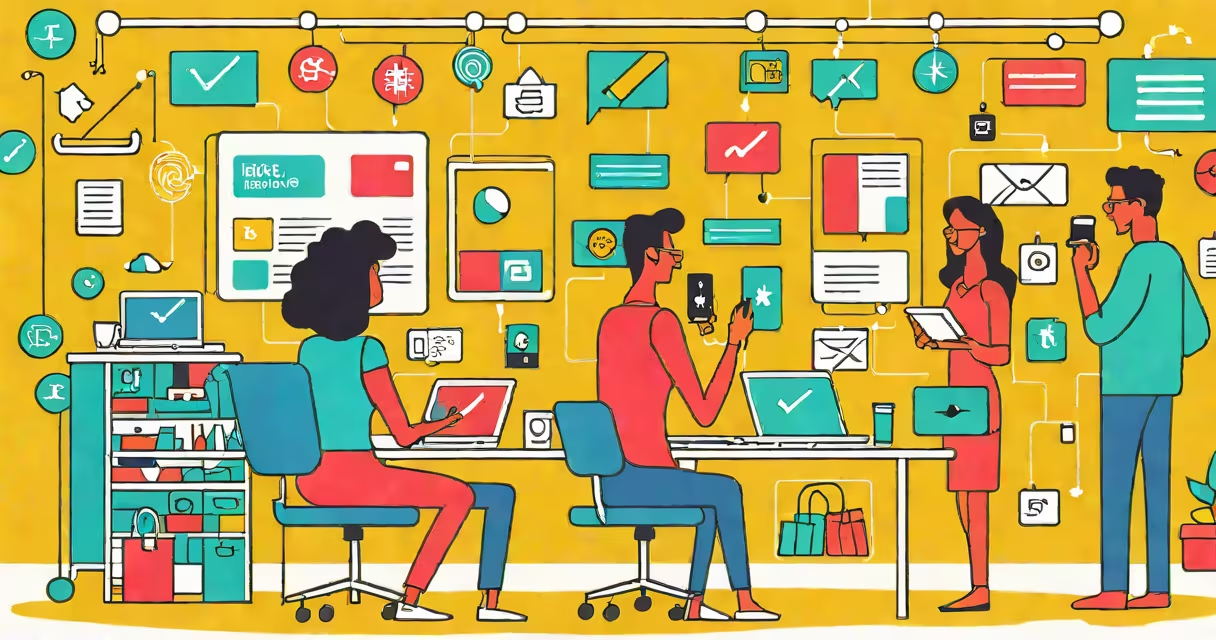
Integrated marketing is a strategic approach that unifies all promotional channels-digital, print, social, email, and in-person-to deliver a consistent, coordinated message that reinforces brand identity and drives customer engagement.
It's not just about using multiple platforms. It's about ensuring every interaction, from the first ad view to post-purchase support, reflects the same brand voice, visual style, and value proposition. This alignment reduces confusion, builds trust, and increases conversion rates.
For example, when a customer sees a new product launch on Instagram, receives a follow-up email with the same imagery and copy, and then finds the same offer in-store, they experience a smooth process. That's integrated marketing in action.
At its core, integrated marketing relies on centralized planning. All teams-creative, sales, customer service, digital-work from the same campaign brief, timeline, and performance metrics. This coordination ensures messages don't contradict each other across channels.
Each channel serves a role in the customer process. A social media ad might introduce a product. An email nurtures interest with a discount. A retail associate completes the sale with personalized service. When these steps are synchronized, the customer feels understood, not overwhelmed.
The process begins with defining clear objectives-awareness, lead generation, retention-and mapping customer touchpoints. Data from one channel informs the next. For instance, if web analytics show high bounce rates on a landing page, the creative team adjusts the ad copy to better match the page's message.
Integrated marketing isn't a single tactic. It's a structure composed of interlocking elements:
There are three common models:
| Type | Description | Example |
|---|---|---|
| Horizontal Integration | Aligns different departments (sales, marketing, service) around a shared goal. | A company launches a product with coordinated training for sales reps, updated website content, and targeted ads. |
| Vertical Integration | Coordinates messaging across customer process stages-from awareness to advocacy. | A fitness app uses onboarding emails, in-app tutorials, and referral rewards to retain users. |
| Omnichannel Integration | Delivers a smooth experience across physical and digital environments. | A retailer lets customers buy online, return in-store, and earn loyalty points across both. |
Many brands fail at integration because they treat channels as silos. A study by McKinsey found that companies with fully integrated marketing strategies see 20% higher customer retention than those using disconnected tactics.
People often confuse integrated marketing with omnichannel marketing. While both aim for consistency, omnichannel focuses on the customer's path across devices and locations. Integrated marketing is broader-it includes internal alignment, cross-functional collaboration, and strategic coherence.
Another mistake is equating integration with uniformity. You don't need identical content everywhere. A TikTok video can be casual and fun; a LinkedIn post can be professional and data-driven. But both must reflect the same brand values and goals.
Here's a non-obvious point: integration doesn't require equal effort across all channels. A brand may invest heavily in digital advertising while maintaining a modest presence in print. As long as the message and intent are aligned, it counts as integrated.
I once reviewed a campaign for a regional coffee chain. They ran radio ads during morning drive time, promoted the same limited-time drink via Instagram Stories, and trained baristas to mention it during orders. The result? A 37% increase in same-day sales at participating stores-proof that small, coordinated efforts yield measurable results.
Brands that integrate their marketing see stronger ROI. According to HubSpot's 2023 State of Marketing Report, businesses with aligned marketing and sales teams achieve 36% higher customer acquisition rates.
Consider Nike's "Just Do It" campaign. It spans TV commercials, athlete endorsements, social media challenges, in-store displays, and product packaging. The slogan appears in the same font, color, and context across all materials. This consistency strengthens recognition and emotional connection.
When marketing is fragmented, customers receive mixed signals. A survey by Salesforce found that 76% of consumers expect companies to understand their needs and expectations across all interactions. Without integration, that expectation goes unmet.
True integration requires more than tools-it demands organizational alignment. Teams must share data, goals, and accountability. Tools like CRM systems help centralize customer information, but leadership must ensure departments collaborate rather than compete.
Integrated marketing isn't optional. It's the standard for effective, customer-centered communication in a competitive market. Brands that master it build loyalty, reduce friction, and grow sustainably.