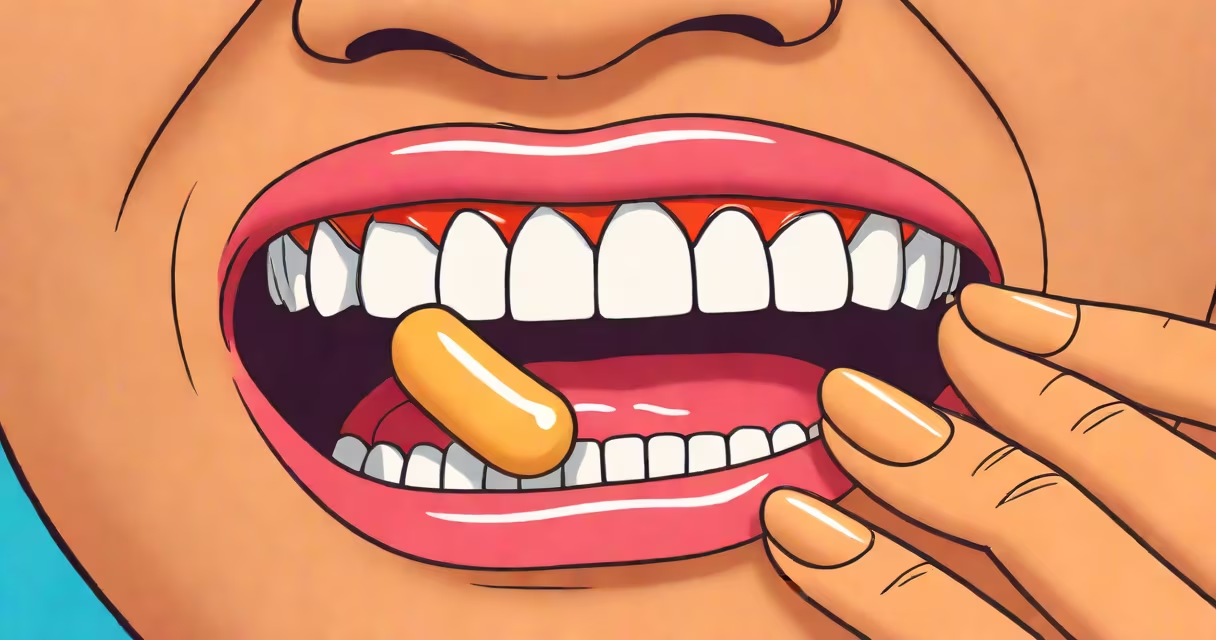
Tooth sensitivity occurs when the protective enamel layer wears away or gums recede, exposing the underlying dentin. This exposes tiny tubules leading to nerve endings, causing sharp pain when exposed to temperature changes, sweets, or pressure. It's not just a nuisance-it's a sign of structural breakdown in the tooth.
Sensitivity typically presents as a sudden, brief ache when consuming cold drinks, hot food, sugary treats, or even brushing. The pain may last seconds but can disrupt daily routines. According to the American Dental Association, nearly half of adults aged 30 to 65 report experiencing tooth sensitivity at some point.
Unlike general toothache, which lingers and may indicate infection, sensitive teeth react only during specific stimuli. Pain disappears when the trigger stops. If left unaddressed, it can progress to chronic discomfort and increase risk of decay or gum disease.
Teeth are made of three layers: enamel (outermost), dentin (middle), and pulp (inner core containing nerves). Enamel is the hardest substance in the human body, but it doesn't regenerate. When enamel erodes or gums pull back, dentin becomes exposed.
Dentin contains thousands of microscopic tubules that connect to the nerve center. When these tubules are exposed, external stimuli travel through them directly to the nerve, triggering pain signals. Cold air, hot liquids, acidic foods, and even chewing pressure can activate this pathway.
A 2021 study published in the Journal of Clinical Dentistry found that 92% of patients with dentin hypersensitivity reported pain within 10 seconds of cold stimulus. This rapid onset differentiates sensitivity from deeper dental issues like abscesses or cracked teeth.
Several factors contribute to dentin exposure. The most frequent include aggressive brushing, acid erosion from diet or GERD, gum recession due to periodontal disease, and tooth grinding (bruxism).
Some people develop sensitivity after dental procedures such as whitening, fillings, or cleanings. This is usually temporary and resolves within two weeks. However, persistent sensitivity after treatment may signal improper technique or undiagnosed decay.
| Cause | How It Exposes Dentin | Prevalence |
|---|---|---|
| Aggressive brushing | Wears down enamel and pulls back gums | ~30% of cases (ADA, 2022) |
| Acidic diet | Softens enamel, allowing erosion | ~25% (Journal of Oral Rehabilitation, 2020) |
| Gum recession | Exposes root surfaces lacking enamel | ~40% in adults over 40 |
| Tooth grinding | Wears down enamel over time | ~15% of adults (NIH study, 2019) |
Non-obvious fact: Sensitivity often affects molars and premolars more than incisors. These teeth have larger surface areas and thinner enamel near the gumline, making them more vulnerable to wear and acid exposure.
People often mistake sensitivity for cavities or gum disease. But while both conditions involve pain, they differ in pattern. Cavities cause constant dull pain or visible holes. Gum disease leads to bleeding, swelling, and bad breath-not just reaction to cold.
True sensitivity is localized. You feel it only on certain teeth, not all. If you have pain in multiple teeth, especially when biting down, it may indicate a crack or deep decay. A dentist can distinguish between these using a dental probe or X-ray.
I once treated a patient who assumed her tooth pain was due to sensitivity. She used desensitizing toothpaste for months. Only after a clinical exam did we find a small cavity under a filling. The tooth had been sending mixed signals-sensitivity masked early decay.
If you're experiencing consistent sensitivity, start with a visit to a dentist. They'll assess your oral health, check for decay, gum recession, or cracked teeth. Treatment depends on the cause.
For mild cases, over-the-counter toothpaste with potassium nitrate or stannous fluoride can reduce nerve activity. Use it twice daily for at least four weeks. Studies show 70% of users report reduced pain after two weeks.
For severe or widespread sensitivity, your dentist may apply a fluoride varnish, sealants, or recommend a night guard if bruxism is involved. In rare cases, a crown or root canal may be needed if the pulp is inflamed.
Ignoring sensitivity risks further damage. Once dentin is exposed, it cannot repair itself. Early intervention prevents progression to irreversible pain and costly treatments.