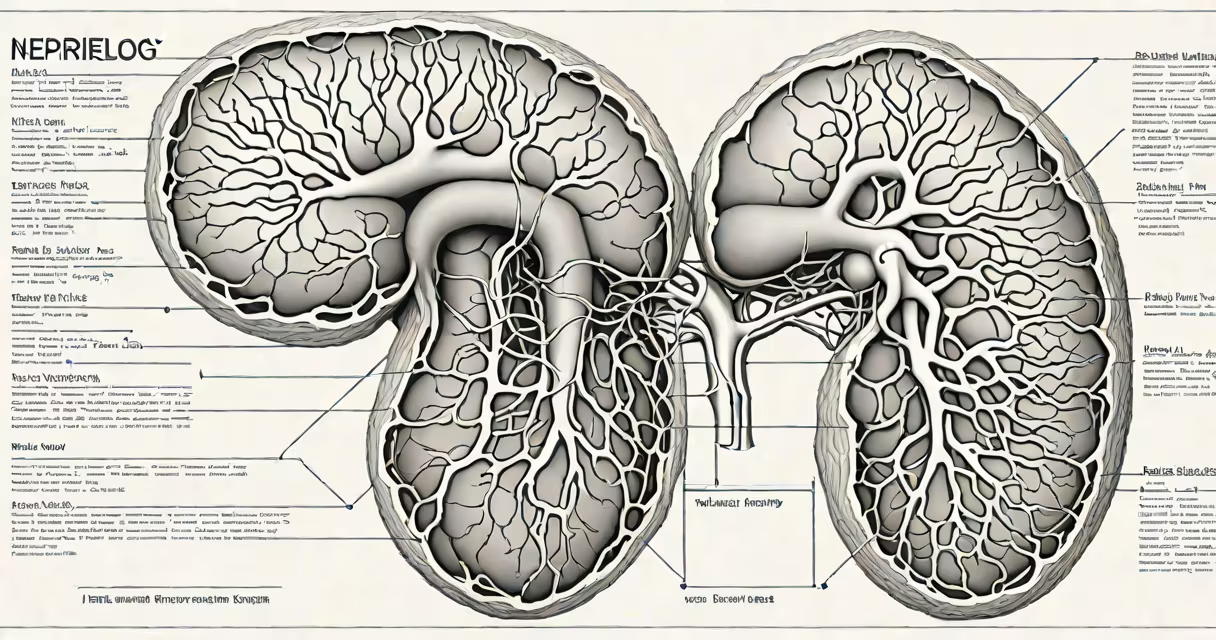
Nephrology is the medical specialty dedicated to the diagnosis, treatment, and management of kidney diseases and disorders of fluid and electrolyte balance. It involves both acute and chronic conditions affecting the kidneys, including hypertension, kidney stones, and end-stage renal disease requiring dialysis or transplantation.
The term derives from Greek roots: *nephros* meaning "kidney" and *logos* meaning "study." This reflects its core focus on kidney physiology, pathology, and therapeutics. Nephrologists are physicians who complete a residency in internal medicine followed by a fellowship in nephrology, typically lasting two to three years.
According to the American Society of Nephrology (ASN), nephrology encompasses care for patients with glomerular diseases, tubulointerstitial disorders, and metabolic imbalances such as acid-base disturbances and hyperkalemia. These specialists manage complex cases involving multiple organ systems, especially in patients with diabetes or cardiovascular disease.
Nephrologists evaluate kidney function through blood tests like serum creatinine and estimated glomerular filtration rate (eGFR), and urine tests such as albumin-to-creatinine ratio. Abnormal results trigger further investigation, including imaging or kidney biopsy.
For example, a patient with unexplained fatigue, swelling in the legs, and elevated serum creatinine may undergo a renal ultrasound and a kidney biopsy. A nephrologist interprets these findings, identifies underlying causes like focal segmental glomerulosclerosis (FSGS), and prescribes immunosuppressive therapy or adjusts medications to slow progression.
Patients with advanced kidney disease often require long-term management. A 62-year-old man with stage 4 chronic kidney disease due to type 2 diabetes might see a nephrologist every three months for medication adjustments, dietary counseling, and planning for renal replacement therapy. The goal is to delay the need for dialysis and improve quality of life.
Nephrology includes several clinical domains. Core areas include managing acute kidney injury (AKI), chronic kidney disease (CKD), and renal replacement therapies such as hemodialysis and peritoneal dialysis. Some nephrologists specialize in pediatric nephrology, focusing on congenital anomalies and inherited kidney disorders.
Other subspecialties include transplant nephrology, where physicians oversee pre- and post-transplant care, and hypertension-related renal disease. The National Kidney Foundation notes that nearly 37 million U.S. adults have CKD, underscoring the growing demand for trained nephrologists.
| Type | Description | Example Condition |
|---|---|---|
| Glomerular | Diseases affecting the kidney's filtering units | Membranous nephropathy |
| Tubulointerstitial | Disorders of kidney tubules and surrounding tissue | Acute interstitial nephritis |
| Metabolic | Conditions involving electrolyte and acid-base imbalance | Hyperkalemia due to adrenal insufficiency |
| Transplant | Post-operative care and rejection monitoring | Chronic allograft nephropathy |
Nephrology is often confused with urology. While both deal with the urinary system, urologists are surgeons who treat structural issues like kidney stones, tumors, and congenital abnormalities. Nephrologists manage medical conditions without surgical intervention.
A key distinction lies in diagnostic approaches. A urologist may perform a ureteroscopy to remove a stone, while a nephrologist would manage the underlying metabolic cause-such as hypercalciuria or cystinuria-through diet and medication.
Another misconception is that nephrology only treats end-stage disease. In reality, early detection and intervention in CKD stages 1-3 can prevent progression. The Centers for Disease Control and Prevention (CDC) reports that 90% of people with early CKD are unaware of their condition, highlighting the importance of screening and proactive care.
In my time working in a hospital nephrology clinic, I observed a patient with rapidly declining eGFR over six months. Initial labs showed a creatinine of 2.1 mg/dL and a urine protein-to-creatinine ratio of 3.5. After a kidney biopsy confirmed IgA nephropathy, the team initiated corticosteroid therapy and angiotensin receptor blocker (ARB) treatment. Over nine months, the patient's creatinine stabilized at 1.4 mg/dL, demonstrating that early intervention can alter disease trajectory.
This case underscores that nephrology is not just about crisis management-it's about long-term disease modification. The success of treatment depends on consistent follow-up, patient education, and coordination with primary care providers.
These terms appear frequently in clinical documentation but do not define the scope of nephrology. Confusing them with nephrological concepts leads to errors in care. For example, prescribing antibiotics for CAP without assessing renal function can result in drug accumulation and toxicity in patients with reduced GFR.
When evaluating a patient with suspected AKI, a nephrologist considers all contributing factors-not just infection. Medications, dehydration, sepsis, and contrast dye exposure are all potential triggers. A thorough review of the patient's chart, including recent lab values and medication list, is essential to determine the cause and avoid misdiagnosis.
Nephrology is the medical discipline centered on kidney health, encompassing diagnosis, treatment, and prevention of renal disorders. It plays a important role in managing systemic diseases that impact kidney function and improving outcomes for patients with both acute and chronic conditions. Recognizing what nephrology means in medical terms ensures accurate communication among healthcare teams and better patient care.