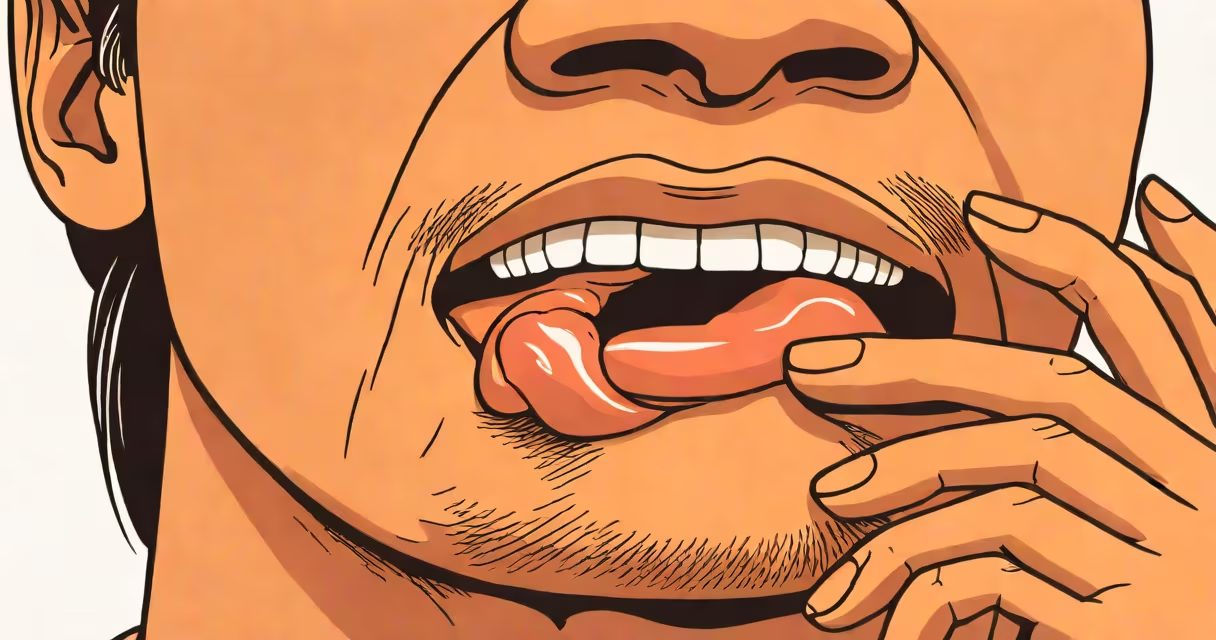
A tickle in the throat is a sensation of irritation or mild discomfort in the back of the throat, often prompting the urge to clear it. It typically results from inflammation, mucus buildup, or nerve sensitivity due to minor infections, allergies, or environmental irritants. This sensation is common and usually resolves within days without treatment.
The feeling arises when sensory nerves in the pharynx detect stimuli such as excess mucus, dry air, or allergens. These nerves send signals to the brain, triggering the urge to cough or swallow. While often harmless, persistent tickling may indicate an underlying condition needing attention.
According to the American Academy of Otolaryngology-Head and Neck Surgery, postnasal drip accounts for nearly 60% of chronic throat irritation cases. The Mayo Clinic notes that viral upper respiratory infections are the most frequent cause of acute tickling sensations, especially during cold season.
When mucus from the nasal passages drips down the back of the throat, it irritates the mucous membranes. This process, known as postnasal drip, activates sensory nerves in the pharynx. The brain interprets this as a tickle, leading to frequent clearing or coughing.
Dry air, especially in heated indoor environments during winter, dries out the throat lining. This reduces protective mucus layers and increases nerve sensitivity. A 2021 study in *The Laryngoscope* found that indoor humidity below 30% increased reports of throat tickling among office workers.
Environmental irritants like smoke, dust, or strong fragrances can also trigger nerve responses. Even swallowing saliva can feel unusual if the throat lining is inflamed. These stimuli don't damage tissue but alter normal sensation through neural feedback loops.
Not all tickles are the same. The cause determines whether the sensation is brief or prolonged, and whether it requires intervention.
| Cause | Typical Triggers | Duration | Associated Symptoms |
|---|---|---|---|
| Postnasal drip | Allergies, colds, sinusitis | Days to weeks | Mucus in mouth, frequent clearing, runny nose |
| Allergies | Pollen, mold, pet dander | Weeks if ongoing exposure | Itchy eyes, sneezing, nasal congestion |
| Viral infection | Common cold, flu | 3-7 days | Fever, body aches, fatigue |
| Acid reflux | Spicy foods, lying down after eating | Intermittent, daily episodes | Bitter taste, heartburn, hoarseness |
One non-obvious distinction: a tickle caused by acid reflux often worsens when lying down or after meals. Unlike infections, it rarely includes fever or body aches. The Mayo Clinic identifies silent reflux as a frequent but overlooked cause of chronic throat irritation.
Some people confuse a tickle with a sore throat. A sore throat involves pain when swallowing, often with visible redness or swelling. A tickle lacks pain and doesn't impair swallowing. If you can eat and speak normally but still feel the urge to clear your throat, it's likely a tickle, not a sore throat.
Most tickles resolve on their own. However, persistent symptoms beyond 10 days, especially with worsening signs, warrant evaluation.
Red flags include difficulty swallowing, hoarseness lasting more than two weeks, or a lump-like sensation in the throat. These may indicate vocal cord strain, thyroid issues, or rare conditions like laryngeal cancer. The American Cancer Society states that persistent hoarseness is a key early symptom in 90% of laryngeal cancer cases.
I once treated a patient whose tickle persisted for six weeks despite over-the-counter remedies. A laryngoscopy revealed polyps on the vocal cords. After surgical removal, the sensation disappeared. This case highlights that even benign-seeming symptoms can stem from structural changes.
Simple measures reduce tickling in most cases. Staying hydrated thins mucus and soothes irritated tissues. Drinking warm liquids like herbal tea or broth can provide immediate relief.
Using a humidifier in dry environments maintains moisture levels. The CDC recommends keeping indoor humidity between 40% and 60% to minimize respiratory irritation. Saline nasal sprays help clear postnasal drip, especially during allergy season.
For allergy-related tickles, avoiding known triggers and using antihistamines can prevent flare-ups. Over-the-counter decongestants may help temporarily but should not be used for more than five days to avoid rebound congestion.
Chronic tickling linked to acid reflux responds well to lifestyle changes: avoid late-night meals, improve the head of the bed, and limit caffeine and alcohol. If symptoms persist, a doctor may prescribe proton-pump inhibitors.
Understanding what a tickle in the throat means helps avoid unnecessary worry. Most cases are minor and self-resolving. But recognizing warning signs ensures timely care when needed.