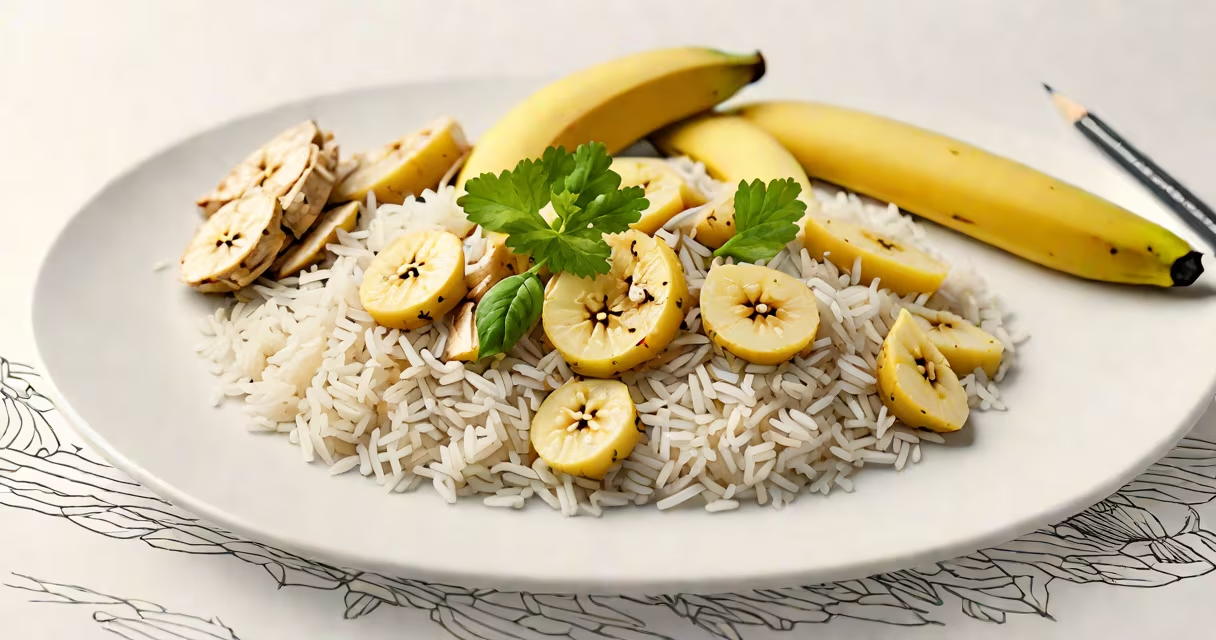
What food to eat during diarrhea focuses on low-fiber, easily digestible options that reduce bowel irritation and support gut recovery. Bland foods like bananas, white rice, applesauce, and toast (BRAT diet) are recommended to ease symptoms and prevent dehydration.
The gastrointestinal tract becomes hyperactive during diarrhea, leading to frequent loose stools and fluid loss. Eating the right foods helps slow motility, reduce inflammation, and restore normal digestion. The goal is to minimize stimulation while providing nutrients and electrolytes.
According to the Mayo Clinic, dietary adjustments are a core part of managing acute diarrhea, especially in adults and children. Avoiding dairy, fatty foods, spicy items, and high-fiber vegetables prevents worsening symptoms. Instead, focus on gentle, nutrient-dense choices that support intestinal healing.
Diarrhea results from rapid intestinal transit, often due to infection, food intolerance, or medication side effects. The small intestine normally absorbs water and nutrients; when it's disrupted, excess fluid passes into the stool.
Bland foods work by reducing osmotic load and mechanical irritation. For example, cooked white rice contains resistant starch that absorbs water and forms a gel-like substance, helping to firm stools. Bananas provide potassium, which counters losses from frequent bowel movements.
A 2021 review in Frontiers in Nutrition confirmed that low-residue diets improve outcomes in acute infectious diarrhea. These diets limit fiber and bulk, allowing the gut lining time to heal. The study emphasized hydration and electrolyte replacement as equally critical as food selection.
Recommended foods fall into three categories: binding agents, hydrating sources, and electrolyte-rich items. Each plays a distinct role in symptom management.
| Type | Examples | Why It Helps |
|---|---|---|
| Binding agents | Bananas, white rice, applesauce, toast | Low in fiber; absorb water and reduce stool frequency |
| Hydrating fluids | Oral rehydration solutions, clear broths, weak tea | Replace lost fluids and sodium |
| Electrolyte sources | Mashed potatoes, boiled carrots, lean chicken broth | Provide potassium, sodium, and chloride |
Applesauce stands out because it contains pectin, a soluble fiber that slows digestion and binds water in the gut. A 2018 study in Nutrients showed pectin reduced diarrhea duration by 1.2 days in children with rotavirus infection compared to placebo.
One non-obvious fact: plain yogurt with live cultures may help shorten episodes. Lactobacillus and Bifidobacterium strains compete with pathogens and strengthen gut barrier function. However, avoid flavored or sweetened versions-they contain sugar that worsens diarrhea.
What food to eat during diarrhea applies to both adults and children experiencing acute episodes lasting less than 14 days. It's most effective when started early, within the first 6 hours of onset.
I used this approach during a mild norovirus outbreak at a family gathering. After my daughter developed watery stools and mild cramping, we gave her small portions of plain rice, banana, and oral rehydration solution. Within 12 hours, her bowel movements normalized. She resumed regular meals the next day.
Medical guidelines from the American Academy of Pediatrics recommend beginning with clear liquids (water, broth, electrolyte drinks) for the first 4-6 hours. Once vomiting stops, introduce soft solids like toast and boiled potatoes. This phased approach prevents overwhelming the digestive system.
Many people assume fasting helps recovery. That's incorrect. Fasting delays gut repair and increases risk of dehydration. The body needs energy to regenerate intestinal cells. Skipping meals prolongs symptoms.
Another mistake is consuming fruit juices. While applesauce is safe, apple juice contains fructose that draws water into the colon, worsening diarrhea. The same applies to sugary sodas and sports drinks-high sugar content can exacerbate osmotic diarrhea.
Some confuse "what food to eat during diarrhea" with "what to avoid." The list of restricted items is equally important. Avoid caffeine, alcohol, fried foods, and high-fat meats. Dairy products like milk and cheese should be avoided unless tolerated, as lactose intolerance can develop temporarily during illness.
If diarrhea lasts longer than 48 hours in adults or 24 hours in children, or if signs of dehydration appear-dry mouth, sunken eyes, dizziness-seek medical care. Blood in stool, fever above 101.3°F (38.5°C), or persistent vomiting require evaluation.
For travelers, the CDC recommends using oral rehydration salts (ORS) containing sodium, potassium, and glucose. These are more effective than plain water in restoring fluid balance. A single packet of ORS dissolved in 1 liter of clean water provides optimal electrolyte ratios.
Understanding what food to eat during diarrhea isn't about restriction-it's about strategic nourishment. Choosing the right foods supports recovery, reduces discomfort, and prevents complications.