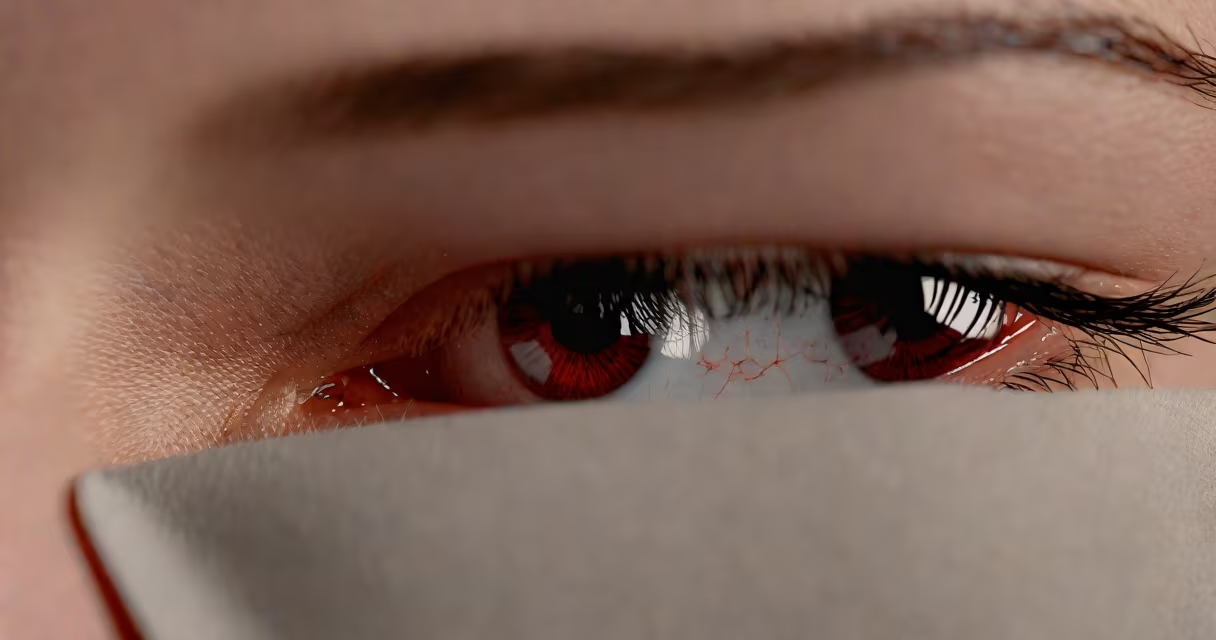
A scratched eye, medically known as a corneal abrasion, occurs when the clear outer layer of the eye-the cornea-is damaged by a foreign object, fingernail, or contact lens. It causes sharp pain, tearing, light sensitivity, and often a feeling of something in the eye. Immediate action reduces risk of infection and long-term vision issues.
Corneal abrasions are common, affecting about 1.5 million people annually in the U.S., according to the American Academy of Ophthalmology. Most result from minor trauma-like dust, sand, or a fingernail brushing the surface. The cornea has dense nerve endings, making even small scratches extremely painful. Left untreated, scratches can lead to corneal ulcers or scarring.
Do not rub the eye. Rubbing increases the risk of deeper damage or introducing bacteria. Instead, blink rapidly to stimulate tear production, which may flush out debris. If discomfort persists beyond a few minutes, stop using the eye and seek evaluation from an eye care professional.
The cornea is the transparent front surface of the eye. It protects the iris and pupil and helps focus light. Because it's exposed and highly sensitive, it's vulnerable to tiny particles-dust, sand, metal shavings-or accidental contact during activities like gardening, cleaning, or applying makeup.
Common causes include:
Even brief exposure to irritants like wind-blown dust or chemical fumes can cause micro-abrasions. The body responds with inflammation, leading to redness, swelling, and increased tearing. These signs indicate tissue damage and signal the need for attention.
Symptoms typically appear within seconds to minutes after injury. They include:
Some people report seeing halos around lights or experiencing double vision. These are warning signs of potential deeper injury. A study published in *Ophthalmology* found that 60% of patients with corneal abrasions reported vision changes lasting at least 24 hours without treatment.
Pain doesn't always correlate with severity. A shallow scratch may hurt intensely, while a deeper one might feel dull due to nerve damage. This makes self-assessment unreliable. Always err on the side of caution.
First, stop using the eye. Avoid blinking repeatedly or trying to "rub it out." Gently close the eye and apply a clean, sterile eye patch or shield to reduce movement and prevent further irritation. Do not use over-the-counter eye drops unless prescribed.
Rinse the eye with sterile saline solution or clean water if debris is visible. Tilt the head sideways and pour liquid from the inner corner toward the outer corner to avoid flushing debris into the other eye. Do not use tap water if the source is questionable-contaminated water can introduce bacteria.
Never use cotton swabs, tissues, or fingers to remove material. These can embed particles deeper or cause secondary damage. If the scratch occurred during a DIY project involving metal or wood, wear protective eyewear in the future-10% of corneal injuries happen during home repairs.
Seek medical care within 24 hours if:
Doctors use fluorescein dye and a blue light to detect abrasions. The dye binds to damaged cells, making them visible under examination. Treatment includes antibiotic ointment to prevent infection and sometimes a bandage contact lens to promote healing. Healing usually takes 1-3 days, but deeper injuries may take longer.
Delaying care increases the risk of bacterial keratitis-a serious infection that can lead to permanent vision loss. The CDC reports that untreated corneal infections contribute to 10% of preventable blindness cases in adults under 50.
Many assume that a scratch will heal on its own quickly. While mild abrasions do resolve in 24-48 hours, untreated ones can develop complications. For example, a scratch caused by a tree branch may seem minor but carry plant material that introduces pathogens like *Pseudomonas aeruginosa*, which causes rapid corneal melting.
Another myth: "If it's not bleeding, it's not serious." The cornea lacks blood vessels, so visible bleeding is rare. Damage can still occur without external signs. A 2021 study in *JAMA Ophthalmology* showed that 35% of patients with corneal abrasions had no visible redness or discharge.
Also, artificial tears don't treat abrasions-they only relieve dryness. Using them as a substitute for medical care delays diagnosis and increases infection risk.
In 2022, a construction worker in Texas felt a sudden sting in his left eye while grinding metal. He rubbed it briefly, then noticed blurred vision and intense pain. He washed his eye with bottled water and applied a cold compress. By the time he reached an urgent care clinic, the cornea showed a 2mm abrasion with surrounding edema.
He was prescribed antibiotic drops and a bandage contact lens. After 48 hours, vision returned to baseline. Without prompt care, the injury could have led to scarring or chronic pain. His employer later implemented mandatory safety goggles for all on-site tasks involving flying debris.
Most corneal abrasions heal completely within 3 days. During recovery, avoid swimming, wearing contacts, or using eye makeup. Use sunglasses outdoors to reduce light sensitivity. Follow all medication instructions exactly.
Prevention includes wearing safety glasses during high-risk tasks, washing hands before touching eyes, and replacing old or damaged contact lenses. The National Institute for Occupational Safety and Health recommends eye protection in environments with dust, chemicals, or moving parts.
If you're unsure whether an eye injury requires care, trust your instinct. A persistent ache, worsening blur, or sudden light sensitivity should prompt a visit to an optometrist or ophthalmologist. Early intervention prevents complications.