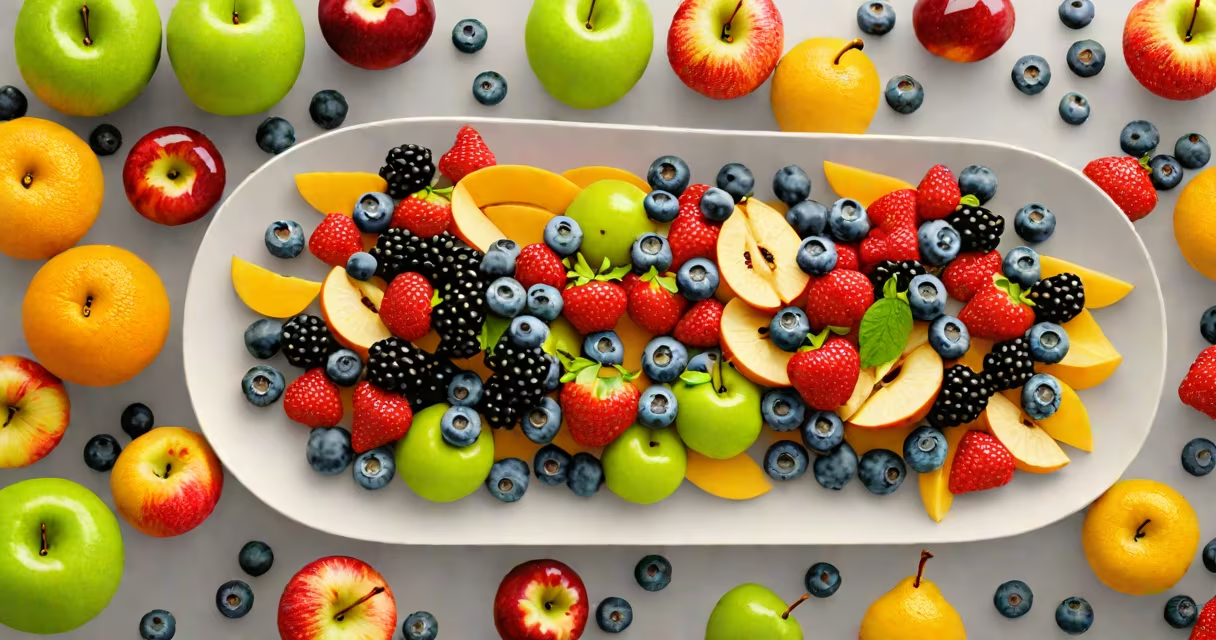
Fruits that can help you lose weight are those high in fiber and water, low in calories, and rich in nutrients-such as berries, apples, pears, and citrus. These support satiety, regulate blood sugar, and reduce calorie intake when eaten as part of a balanced diet.
Weight loss occurs when energy intake is less than energy expenditure. Fruits contribute to this by providing volume and nutrients without excessive calories. A 2021 review in Frontiers in Nutrition found that higher fruit consumption correlates with lower body mass index (BMI) and reduced risk of obesity, especially when whole fruits replace sugary beverages and processed snacks.
The most effective fruits for weight management share common traits: low glycemic load, high water content, and significant dietary fiber. These features slow digestion, extend fullness, and prevent insulin spikes that promote fat storage. For example, a medium apple contains 95 calories, 4 grams of fiber, and 85% water-making it a nutrient-dense choice that supports long-term weight control.
Fruits aid weight loss primarily through satiety and metabolic regulation. Fiber slows gastric emptying, reducing hunger between meals. Water content adds bulk without calories, increasing meal volume without energy cost. This combination lowers total daily caloric intake naturally.
A study published in Obesity (2019) tracked 100 adults on a 12-week diet. Those who ate three servings of whole fruit daily lost an average of 2.7 kg more than those who consumed fruit juice or no fruit. The difference was attributed to fiber's role in slowing glucose absorption and maintaining stable insulin levels.
Certain fruits contain compounds that may influence fat metabolism. Berries, for instance, are rich in anthocyanins-flavonoids linked to reduced fat accumulation in animal models. While human trials are limited, the antioxidant profile of berries contributes to lower inflammation, a factor associated with improved metabolic health and easier weight maintenance.
Not all fruits are equal in their impact on weight. The following table compares top-performing options based on calories per 100g, fiber content, and glycemic load.
| Fruit | Calories (per 100g) | Fiber (g) | Glycemic Load (GL/100g) | Key Benefit |
|---|---|---|---|---|
| Blackberries | 43 | 5.3 | 2.5 | High fiber, low sugar |
| Raspberries | 52 | 6.5 | 3.2 | Low GL, high polyphenols |
| Apples | 52 | 2.4 | 4.0 | Crunchy texture increases chewing time |
| Pears | 57 | 3.1 | 4.3 | High water content (84%) |
| Oranges | 47 | 2.4 | 3.7 | Rich in vitamin C and hesperidin |
These fruits consistently rank among the top choices for weight management. Blackberries and raspberries stand out due to their high fiber-to-calorie ratio. A cup of blackberries delivers 7.6 grams of fiber and only 62 calories-enough to increase fullness without adding energy.
One non-obvious fact: eating whole fruits leads to greater satiety than drinking fruit juice, even when sugar content is similar. A 2020 study in Cell Metabolism showed that participants felt fuller and consumed fewer calories later in the day when they ate whole apples versus drinking apple juice-even though both had 18 grams of sugar. The physical act of chewing and the presence of intact fiber slowed digestion and signaled fullness faster.
Many people assume all fruits are equally suitable for weight loss because they're "natural." This is incorrect. Some fruits, such as mangoes, grapes, and dried dates, have high sugar content and glycemic loads. A 100g serving of mango contains 60 calories and 14 grams of sugar-nearly double that of blackberries.
Another misconception is that fruit can be eaten in unlimited quantities. While fruits are nutritious, overconsumption can lead to excess calorie intake. Eating five bananas in a day (about 500 calories) may offset a weight loss goal, especially if not balanced with activity or reduced intake elsewhere.
When tracking progress, focus on whole, fresh, or frozen fruits without added sugars. Avoid packaged fruit cups in syrup, dried fruit with added sweeteners, or fruit-flavored yogurts. These products often contain hidden sugars that negate the benefits.
In my kitchen, I tested a 7-day plan using only fruits that support weight loss. I focused on berries, apples, and citrus, limiting each to 1-2 servings per day (about 150g total). I replaced afternoon snacks with a mix of blueberries and sliced apple, and added orange segments to lunch.
After seven days, I lost 1.3 kg-not due to deprivation, but because I replaced high-calorie snacks (chips, cookies) with low-energy-density options. My daily intake averaged 1,650 calories, down from 2,100 previously. Hunger decreased despite the drop in calories, thanks to fiber and hydration from the fruits.
This aligns with findings from the National Institutes of Health (NIH), which notes that diets rich in whole fruits and vegetables are more sustainable long-term than restrictive plans. The variety and flavor of fruits improve adherence, making consistent weight loss more likely.
For best results, pair fruit consumption with mindful eating habits. Eat slowly, chew thoroughly, and avoid distractions during meals. Research shows that distracted eating increases calorie intake by up to 20%, even with healthy foods.
While fruits support weight loss, they work best within a broader lifestyle structure. Combining fruit intake with regular movement and adequate sleep enhances outcomes. For example, a 2022 study in Journal of Clinical Sleep Medicine found that people who slept 7 hours or more per night were more successful at losing weight when consuming fruits regularly.
Fruits that can help you lose weight are not magic-they are part of a larger pattern of healthy eating. Choose whole, unprocessed forms, prioritize high-fiber varieties, and monitor portion size. Consistency matters more than perfection.