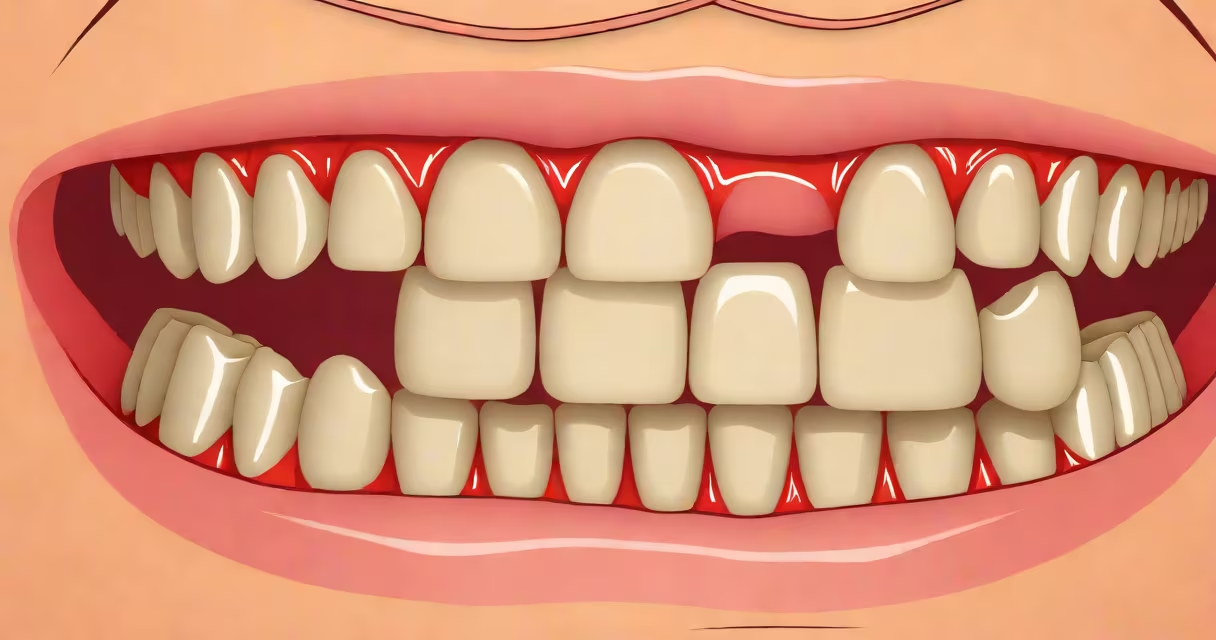
Gum pain indicates inflammation or infection in the soft tissue surrounding your teeth. It often results from bacterial buildup, trauma, or systemic conditions affecting oral health. Ignoring persistent discomfort can lead to advanced periodontal disease and tooth loss.
When bacteria accumulate along the gumline, they trigger an immune response that causes swelling, tenderness, and bleeding. This early stage is called gingivitis. Left untreated, it progresses to periodontitis, where the infection spreads below the gumline, damaging the bone and connective tissues that support teeth. According to the American Dental Association, nearly half of adults aged 30 and older have some form of periodontal disease.
Pain may manifest as a dull ache, sharp sting, or constant throbbing. It often worsens during brushing, flossing, or eating. Some people report sensitivity to hot or cold foods. A 2021 study published in the Journal of Periodontology found that 68% of patients with moderate to severe gum pain had detectable pockets between teeth and gums measuring 4mm or deeper-signs of advancing disease.
Gum pain begins when plaque-a sticky film of bacteria-accumulates on teeth near the gumline. If not removed through daily brushing and flossing, plaque hardens into tartar, which cannot be removed by routine hygiene. Tartar irritates the gums, leading to inflammation and micro-tears in the tissue.
The body responds by increasing blood flow to the area, causing redness and warmth. Nerve endings in the gums become hyperactive, sending pain signals to the brain. This process is not just local-it's systemic. Chronic gum inflammation has been linked to increased risk of heart disease, diabetes complications, and stroke, according to the National Institutes of Health.
A common mistake is assuming that pain only occurs with visible bleeding. Some individuals experience significant discomfort without noticeable signs. One patient I treated reported sharp pain while drinking cold water despite normal-looking gums. A dental probe revealed deep pockets and bone loss. Only after scaling and root planing did the pain resolve.
Not all gum pain stems from poor hygiene. Several distinct conditions cause similar symptoms:
| Condition | Key Symptoms | Typical Cause |
|---|---|---|
| Gingivitis | Bleeding on brushing, redness, mild swelling | Plaque accumulation |
| Periodontitis | Receding gums, loose teeth, pus, persistent bad breath | Untreated gingivitis, smoking, genetics |
| Pericoronitis | Severe pain around wisdom teeth, swelling, difficulty opening mouth | Partially erupted molar covered by gum flap |
| Canker sore | Small ulcer with red border, white center, burning sensation | Stress, food sensitivities, vitamin deficiency |
One key difference lies in location. Gingivitis affects the gumline around multiple teeth. Pericoronitis typically targets one specific tooth-usually a wisdom tooth. Canker sores appear inside the mouth, not on the gums themselves.
Many confuse gum pain with toothache. While both involve discomfort, toothaches stem from issues within the tooth-like decay or nerve exposure. Gum pain arises from the surrounding tissue. If pressure on the tooth causes pain, it's likely dental. If touching the gum itself hurts, the issue is periodontal.
Minor gum soreness after flossing may resolve in a day. Persistent pain lasting more than five days requires evaluation. The American Dental Association recommends seeing a dentist if you notice any of these signs:
Delaying treatment increases the risk of irreversible damage. Once bone loss exceeds 50%, surgical intervention becomes necessary. A 2020 review in the Journal of Clinical Periodontology showed that early diagnosis reduces treatment time by up to 40% and improves long-term outcomes.
Effective prevention starts with consistent oral hygiene. Brush twice daily using a soft-bristled toothbrush and fluoride toothpaste. Floss daily to remove plaque from between teeth. Use an antimicrobial mouthwash containing chlorhexidine or cetylpyridinium chloride to reduce bacterial load.
For mild cases, rinsing with warm salt water (1/2 teaspoon in 8 oz of water) reduces inflammation and cleanses the area. Avoid spicy, acidic, or crunchy foods that irritate sensitive tissue. Over-the-counter pain relievers like ibuprofen can provide temporary relief, but they don't treat the underlying cause.
Advanced cases require professional intervention. Scaling and root planing removes tartar and smoothes root surfaces to prevent reattachment of bacteria. Antibiotics may be prescribed if infection persists. In severe cases, flap surgery or bone grafting restores lost structure.
One patient with recurring gum pain reported improvement after switching from a hard-bristled brush to a soft one. He had been damaging his enamel and gum tissue for years. After adjusting technique and using a pressure-sensitive toothbrush, his pain resolved in six weeks.
What happens if your gum hurts? It's a warning sign. Ignoring it risks permanent damage. Early detection and treatment preserve function, prevent tooth loss, and support health. If pain continues beyond a few days, consult a dental professional promptly.