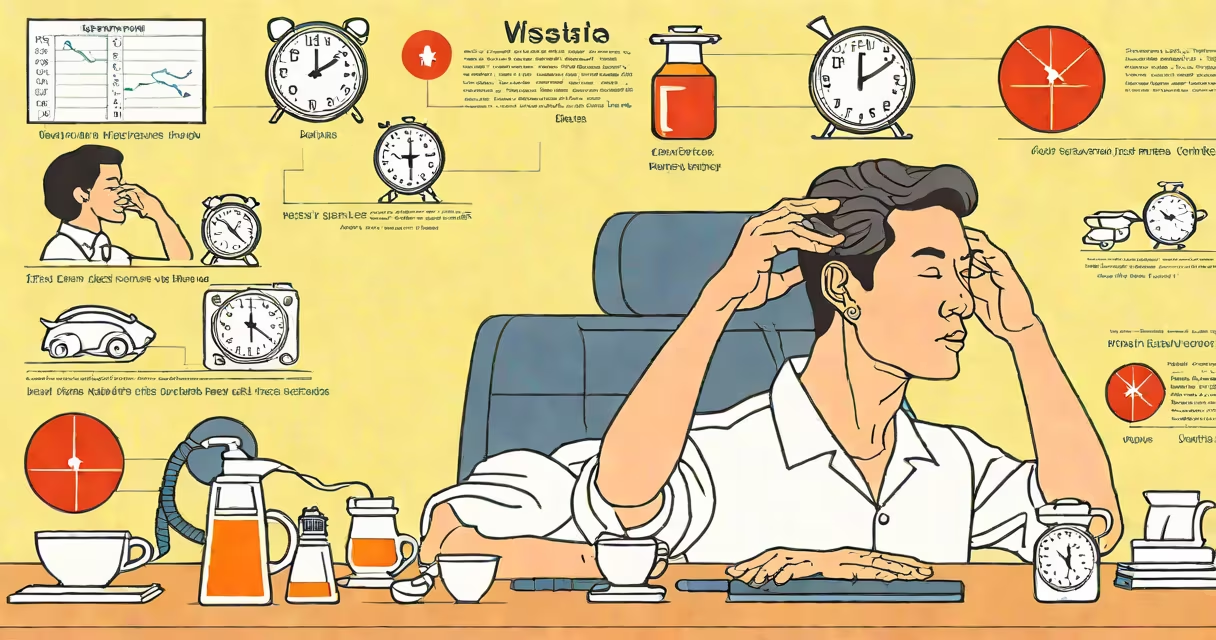
Blood pressure headaches occur when elevated systemic pressure causes tension in cranial vessels, typically manifesting as a dull, throbbing pain behind the eyes or at the back of the head. They're not a standalone condition but a symptom of uncontrolled hypertension. Effective management targets both the headache and the underlying high blood pressure.
These headaches often appear during stress, poor sleep, or sudden spikes in blood pressure. Unlike migraines, they don't usually involve nausea or visual aura. Instead, they're linked to sustained systolic readings above 140 mmHg or diastolic levels exceeding 90 mmHg. The American Heart Association notes that persistent high blood pressure increases the risk of vascular strain, which can trigger such headaches.
When blood pressure reaches critical levels-such as 180/120 mmHg or higher-it may cause a hypertensive crisis, leading to severe headaches, blurred vision, and confusion. Immediate medical attention is required. For routine cases, relief comes through consistent control of blood pressure via lifestyle and clinical interventions.
High blood pressure forces blood vessels in the brain to constrict and dilate irregularly. This fluctuation stretches nerve endings around the cerebral arteries, resulting in pain perception. The trigeminal nerve system, responsible for facial and head sensation, becomes hyperactive under pressure, amplifying discomfort.
Headaches tied to blood pressure are most common in people with untreated or poorly managed hypertension. A 2021 study published in Journal of Clinical Hypertension found that 36% of patients with stage 2 hypertension reported frequent headaches, compared to 12% in those with normal readings. The correlation strengthens with age and comorbidities like diabetes or kidney disease.
Not all head pain from high BP is the same. Some describe a "pressure-like" sensation, others report pulsing pain. The location matters: occipital (back of head) or frontal (forehead) pain correlates strongly with elevated systolic pressure. Pain localized to one side may suggest migraine overlap, requiring differential diagnosis.
Lifestyle modifications are the first-line defense against blood pressure-related headaches. Reducing sodium intake to less than 1,500 mg daily lowers fluid retention and vessel resistance. The DASH diet-rich in fruits, vegetables, whole grains, and low-fat dairy-has been shown to reduce systolic pressure by 11 mmHg on average, according to the National Institutes of Health.
Regular aerobic exercise, such as brisk walking for 30 minutes five days a week, improves endothelial function and reduces arterial stiffness. A 2020 randomized trial in European Heart Journal demonstrated that participants who exercised consistently saw a 10-point drop in systolic pressure and a 30% reduction in headache frequency over six months.
Stress management techniques like mindfulness-based stress reduction (MBSR) lower cortisol levels, which influence vascular tone. One study found that 8 weeks of MBSR practice reduced systolic pressure by 5.5 mmHg and decreased headache incidence by 44% in adults with borderline hypertension.
Antihypertensive drugs are prescribed when lifestyle changes fail to normalize blood pressure. ACE inhibitors (e.g., lisinopril), calcium channel blockers (e.g., amlodipine), and thiazide diuretics are commonly used. These medications reduce peripheral resistance or fluid volume, lowering intracranial pressure and interrupting the pain cycle.
For individuals taking medications like tamsulosin-used for benign prostatic hyperplasia-caution is needed. Tamsulosin can cause orthostatic hypotension, leading to dizziness and rebound hypertension upon standing. A 2022 review in Pharmacotherapy noted that 14% of men on tamsulosin experienced blood pressure fluctuations that triggered headaches. If you're on tamsulosin and notice new or worsening headaches, discuss adjusting dosage or timing with your provider.
| Intervention | Expected Blood Pressure Reduction | Headache Frequency Impact | Time to Effect |
|---|---|---|---|
| DASH diet | 8-11 mmHg systolic | 30-40% decrease | 2-4 weeks |
| 30 min/day walking | 5-7 mmHg systolic | 25-35% decrease | 6-8 weeks |
| ACE inhibitor therapy | 10-15 mmHg systolic | 40-50% decrease | 1-2 weeks |
Many assume that all headaches caused by high blood pressure are sudden and severe. In reality, they often develop gradually over hours or days. A sharp, explosive headache may signal a different issue-like a subarachnoid hemorrhage-requiring immediate imaging.
Another myth is that headaches automatically indicate dangerously high blood pressure. Most people with mild to moderate hypertension have no symptoms. The absence of headache doesn't mean blood pressure is safe. According to the CDC, nearly half of U.S. adults with hypertension are unaware of their condition.
Some believe natural supplements like magnesium or garlic can replace medication. While magnesium deficiency is linked to increased vascular tone, a 2021 Cochrane review found insufficient evidence to support magnesium supplementation as a primary treatment. Garlic extract shows modest effects-about 5 mmHg reduction-but cannot substitute for prescribed antihypertensives in high-risk patients.
Consider a 52-year-old woman with a history of stage 1 hypertension and weekly headaches. Her baseline readings averaged 148/92 mmHg. She began tracking her blood pressure twice daily using a validated wrist device. Over two weeks, she noticed a spike to 160/100 mmHg each morning, coinciding with her headache onset.
She adopted the DASH diet, reduced salt intake to 1,200 mg/day, and walked 30 minutes after lunch. After four weeks, her average morning reading dropped to 136/84 mmHg. Headache frequency declined from five times weekly to one every two weeks. Her doctor added a low-dose amlodipine, which brought her pressure into target range. Within eight weeks, headaches resolved entirely.
This case illustrates that combining monitoring, diet, activity, and medication yields better outcomes than any single strategy. Tracking blood pressure at home was key to identifying the pattern.
When headaches persist despite lifestyle changes, consult a provider. Rule out secondary causes like renal artery stenosis or pheochromocytoma. Early intervention prevents long-term complications such as stroke or cognitive decline.
Understanding what helps with blood pressure headaches requires addressing both the symptom and its root cause. Lifestyle adjustments, consistent monitoring, and appropriate medication are proven paths to relief. Recognizing the signs and acting early makes a measurable difference in quality of life.