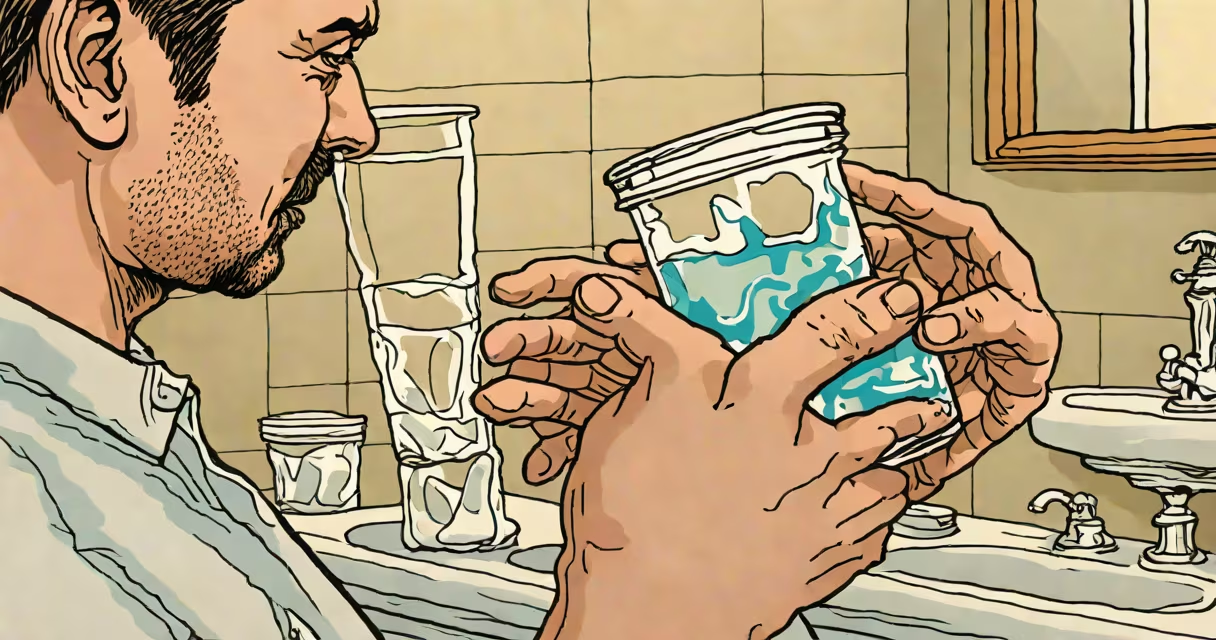
Vomiting your colonoscopy prep means you may not have absorbed enough of the laxative solution to fully cleanse your bowels, which risks incomplete visualization during the procedure. If this occurs, contact your provider immediately-they may advise repeating the dose or rescheduling.
Colonoscopy prep typically involves drinking a large volume of a clear, electrolyte-rich solution designed to flush out the entire colon. Common brands include Golytely, NuLYTELY, and Bisacodyl-based mixtures. These solutions work by drawing water into the intestines, forcing the contents to empty. If you vomit within 30 minutes of drinking the prep, the solution likely didn't stay in your stomach long enough to be effective.
The goal of prep is to leave the colon completely empty. If residual stool remains, polyps or early cancers may be missed. A 2021 study in *Gastroenterology* found that incomplete prep was linked to a 2.3-fold higher risk of missing adenomas during screening. So vomiting isn't just uncomfortable-it increases diagnostic risk.
Nausea and vomiting are common side effects of bowel prep. The solution's high osmolarity pulls fluid into the gut, causing bloating and pressure. Some people report a chalky, salty taste or a sensation of fullness that triggers gag reflexes. Certain individuals are more sensitive due to pre-existing conditions like gastroparesis or migraines.
A 2019 survey published in *The American Journal of Gastroenterology* reported that 18% of patients experienced vomiting during prep, with the highest rates among those using split-dose regimens. The split-dose method-where half the prep is taken the night before and the rest the morning of-increases the chance of nausea because the second dose is consumed on an empty stomach, often with less tolerance.
Some patients find the prep's texture-thick, syrupy, and cold-hard to swallow. One patient described it as "like drinking dish soap with a hint of orange." Others report dizziness or lightheadedness from rapid fluid shifts, which can worsen nausea.
If you vomit within 30 minutes of drinking the prep, the solution likely wasn't absorbed. Contact your gastroenterologist's office immediately. Most clinics have protocols for this scenario. They may instruct you to repeat the dose or reschedule the procedure.
Do not attempt to take a second dose without guidance. Overdosing on laxatives can cause dehydration, electrolyte imbalances, or severe cramping. The FDA warns against exceeding recommended doses of polyethylene glycol (PEG)-based prep, which is the primary ingredient in most formulations.
If vomiting persists or is accompanied by fever, severe abdominal pain, or signs of dehydration (dry mouth, dark urine), seek medical attention. These symptoms suggest possible gastrointestinal obstruction or infection, which require evaluation beyond prep management.
Take the prep slowly. Sip it over 15-20 minutes instead of gulping. Cold temperatures intensify the unpleasant taste. Try chilling the solution in the refrigerator, then sip it through a straw to reduce contact with taste buds.
Use ginger supplements or ginger tea. A 2016 clinical trial in *Digestive Diseases and Sciences* showed that 250 mg of ginger extract reduced nausea in 68% of participants undergoing bowel prep. Avoid mint or peppermint, which can relax the lower esophageal sphincter and increase reflux risk.
Stay hydrated with clear fluids between doses. Water, clear broth, or low-sugar sports drinks help maintain electrolyte balance. Avoid red or purple liquids-these can mimic blood in the colon and confuse the endoscopist.
Consider switching to a split-dose regimen with a lower-volume option. NuLYTELY offers a 4-liter version, while MiraLAX-based prep uses 12 oz of powder dissolved in 1 quart of water. These may be better tolerated by sensitive individuals.
Myth: "If I throw up, I can just drink more and make up for it." Fact: Repeating the dose without medical advice risks overdose. PEG-based prep contains sodium, potassium, and chloride. Excess intake can lead to hypernatremia or arrhythmias.
Myth: "Vomiting means the prep failed and I'll have to reschedule." Fact: Many providers allow a single repeat dose if vomiting occurred within 30 minutes. Rescheduling is only needed if the second dose is also vomited or if the patient cannot tolerate any amount.
Myth: "I'm fine if I only vomit a little." Fact: Even small amounts of emesis can reduce prep efficacy. A 2020 study in *Clinical Gastroenterology and Hepatology* found that patients who vomited any portion of their prep had a 40% higher rate of incomplete cleansing compared to those who kept it down.
In a case documented by the American Society for Gastrointestinal Endoscopy (ASGE), a 58-year-old man drank his evening prep dose but vomited 15 minutes later. He called his clinic and was instructed to restart the dose at 6 AM the next day. He completed the second round successfully and underwent a normal colonoscopy with no missed lesions. His doctor noted that timely communication prevented unnecessary delay.
This outcome underscores the importance of contacting your care team rather than assuming failure. Most providers expect this issue and have standard responses.
Do not wait until the day of the procedure. Early intervention preserves scheduling and reduces stress.
For more details on what to expect during prep, what is the typical prep for a colonoscopy covers timing, volume, and sensory experiences. Understanding the process reduces anxiety and improves compliance.
Recovery from vomiting is usually quick. Once the stomach empties, most people feel relief within 30 minutes. Focus on hydration and avoid solid food until cleared by your provider.
Vomiting your colonoscopy prep is manageable. With prompt action and proper guidance, you can still proceed safely and effectively. The key is not panic-but communication.