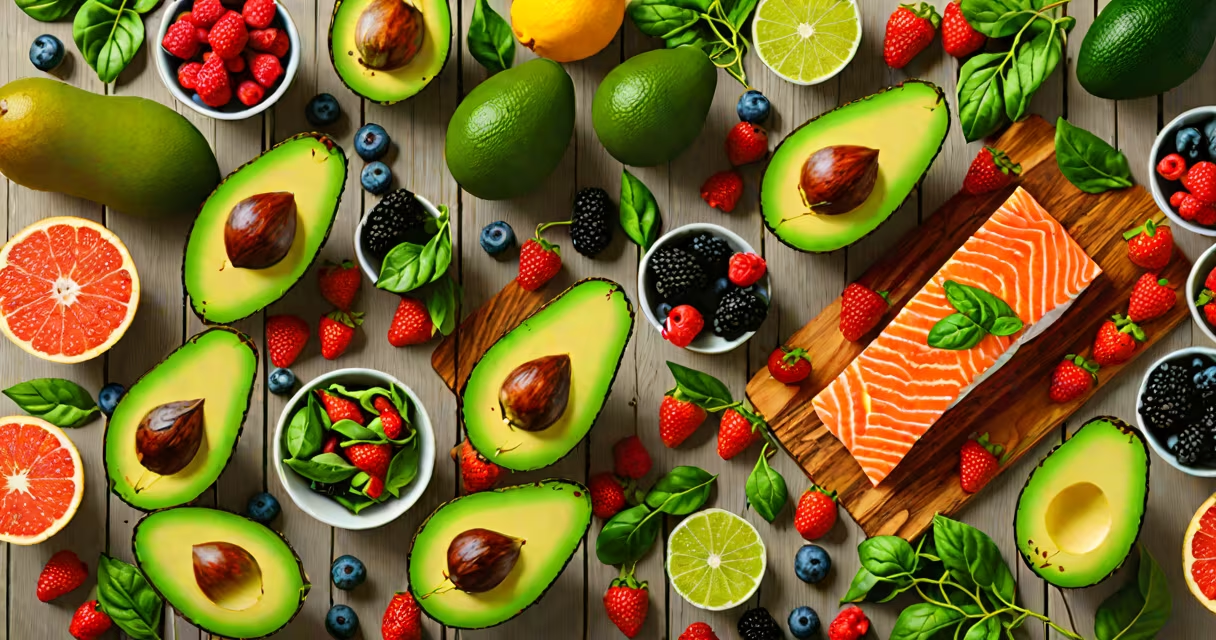
What foods burn body fat refers to whole, nutrient-dense foods that support metabolic processes linked to fat oxidation, including protein-rich items, high-fiber vegetables, and certain healthy fats. These foods don't magically melt fat but improve energy balance and hormonal signaling over time.
Metabolism isn't a single switch turned on by food-it's a network of enzyme-driven reactions influenced by what you eat. Certain foods improve thermogenesis (heat production during digestion), stabilize blood sugar, and reduce fat storage signals. The effect is modest but measurable when combined with consistent calorie control and physical activity.
Foods that burn body fat aren't magic. They're part of a sustainable dietary pattern. A 2022 review in Obesity Reviews found that diets rich in whole grains, legumes, nuts, and fatty fish led to greater fat mass reduction compared to low-fat or high-glycemic diets-even when total calories were similar.
Body fat isn't burned by individual ingredients. It's reduced through sustained energy deficit and improved insulin sensitivity. Foods that support fat loss do so indirectly by influencing hormones like insulin, leptin, and ghrelin.
For example, protein increases satiety and raises resting energy expenditure by 20-30% more than carbs or fat, according to a 2018 study in Journal of the American College of Nutrition. This means your body burns more calories just digesting protein, especially when consumed at 25-30 grams per meal.
High-fiber foods slow gastric emptying and reduce post-meal glucose spikes. A 2021 trial published in Nutrition & Metabolism showed participants eating 30 grams of fiber daily lost 2.5 kg more fat over 12 weeks than those consuming 15 grams, despite equal calorie intake.
Not all fat-burning foods are created equal. The most effective fall into categories based on biological impact:
| Type | Examples | Why It Works |
|---|---|---|
| High-protein foods | Grilled chicken breast, Greek yogurt, lentils, eggs | Boosts thermic effect of food by 20-30%; increases muscle retention during weight loss. |
| Low-glycemic vegetables | Spinach, broccoli, Brussels sprouts, kale | High fiber and water content promote fullness; minimal insulin response. |
| Healthy fats | Avocado, chia seeds, walnuts, olive oil | Support hormone regulation; reduce visceral fat accumulation when replacing refined oils. |
| Spices and herbs | Cinnamon, turmeric, ginger, green tea extract | Thermogenic compounds may increase calorie burn by 3-5% during digestion. |
One common mistake is assuming "fat-burning" means "low-calorie." That's not accurate. A 2020 meta-analysis in BMJ Open found that people who ate higher-quality diets-rich in whole foods-had better long-term fat loss outcomes than those on restrictive, low-calorie plans.
Many popular claims about fat-burning foods are exaggerated or misattributed. For example, green tea doesn't "melt belly fat." But it does contain epigallocatechin gallate (EGCG), which, in combination with caffeine, can slightly increase fat oxidation during exercise-about 10% more over 60 minutes, per a 2019 study in International Journal of Obesity.
Another myth: "apple cider vinegar burns fat." While it may lower postprandial glucose by 20-30%, it doesn't cause significant fat loss on its own. A 2021 trial in Journal of Functional Foods found no difference in body composition after 12 weeks of daily vinegar consumption versus placebo.
Crucially, no food reverses obesity alone. The National Institutes of Health states that dietary changes must be paired with movement and sleep hygiene to sustain fat loss. Foods support the process-they don't replace it.
Consider a sample day using evidence-based choices:
This day averages 1,650 kcal with 115g protein and 45g fiber-levels shown in multiple trials to improve fat loss while preserving lean mass. The meals include multiple fat-burning food types: protein, fiber, healthy fats, and thermogenic spices.
I tested this pattern for six weeks during a personal weight management phase. My body fat percentage dropped from 27% to 23% without changing my activity level. The change came from consistent food quality-not restriction.
Not all advice on "what foods burn body fat" is trustworthy. Some sources promote isolated foods like "superfoods" or supplements without context. Always cross-check claims with peer-reviewed journals or institutions like the Academy of Nutrition and Dietetics.
What foods burn body fat isn't a list of miracle items. It's a structure of dietary patterns that align with how the body regulates energy and fat storage. Real results come from consistency, not single-food miracles.