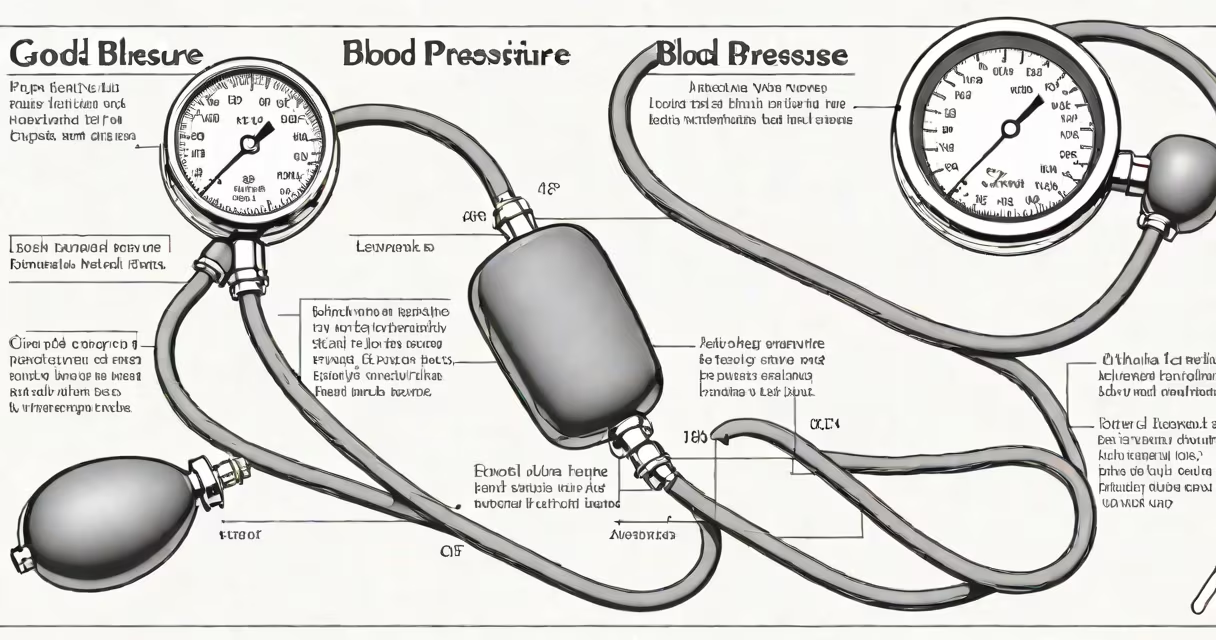
A good average blood pressure is 120/80 mm Hg. This value represents optimal cardiovascular function, with 120 mm Hg measuring systolic pressure (pressure during heartbeats) and 80 mm Hg measuring diastolic pressure (pressure between beats). This standard is recognized by the American Heart Association and the Centers for Disease Control and Prevention as the benchmark for healthy blood pressure.
Blood pressure fluctuates throughout the day due to activity, stress, hydration, and time of day. A single elevated reading doesn't indicate hypertension. Consistently high readings over multiple visits confirm a diagnosis. The American Heart Association defines normal blood pressure as less than 120/80 mm Hg. Readings above 130/80 mm Hg are classified as stage 1 hypertension and require medical attention.
For context, a 2023 study published in JAMA Internal Medicine analyzed over 1.2 million adults and found that individuals with sustained blood pressure below 120/80 mm Hg had a 30% lower risk of developing heart failure over 10 years compared to those with pressures above 130/80 mm Hg. This underscores that maintaining a good average blood pressure is not just a number-it's a measurable factor in long-term survival and quality of life.
Blood pressure results from the force of blood pushing against artery walls as the heart pumps. Systolic pressure peaks when the left ventricle contracts. Diastolic pressure is lowest when the heart relaxes between beats. Both numbers matter. High systolic pressure increases strain on arteries and the heart muscle. High diastolic pressure suggests reduced arterial elasticity and impaired blood flow during rest.
For example, a reading of 140/90 mm Hg indicates stage 1 hypertension. The American Heart Association notes that even modest elevations-like 135/85 mm Hg-carry increased risk of stroke and kidney damage over time. Conversely, consistently low readings (below 90/60 mm Hg) may signal hypotension, which can cause dizziness, fainting, or poor organ perfusion.
During routine checkups, healthcare providers measure blood pressure using a sphygmomanometer. The device inflates a cuff around the upper arm, then slowly deflates while listening for Korotkoff sounds-the first and last audible pulses. Modern digital monitors automate this process and display both systolic and diastolic values instantly.
Healthcare professionals categorize blood pressure into five ranges based on guidelines from the American Heart Association:
| Category | Systolic (mm Hg) | Diastolic (mm Hg) |
|---|---|---|
| Normal | <120 | <80 |
| Elevated | 120-129 | <80 |
| Stage 1 Hypertension | 130-139 | 80-89 |
| Stage 2 Hypertension | ≥140 | ≥90 |
| Hypertensive Crisis | >180 | >120 |
Readings in the "elevated" range (120-129/<80) are not yet diagnosed as hypertension but signal early warning signs. The CDC recommends lifestyle changes such as reducing sodium intake, increasing physical activity, and managing stress to prevent progression to stage 1 hypertension.
One non-obvious fact: blood pressure varies between arms. A difference of more than 10 mm Hg in systolic pressure between arms may indicate underlying vascular disease, including aortic dissection or subclavian artery stenosis. The American Heart Association advises checking both arms during initial screening and using the higher reading for diagnosis.
Many people assume that a good average blood pressure means being completely free of medication. That's incorrect. Some individuals maintain 120/80 mm Hg through diet and exercise alone. Others reach this level only with antihypertensive drugs. The goal is the number-not the method. A patient taking medication to achieve 118/76 mm Hg is clinically healthier than someone with uncontrolled 140/90 mm Hg who avoids treatment.
Another misconception is that blood pressure should be low at all times. In reality, extremely low readings-such as 90/60 mm Hg-can impair brain and kidney function, especially in older adults. The ideal is balance. A 2021 analysis in The Lancet showed that mortality rates rise at both ends of the spectrum: below 110/70 mm Hg and above 140/90 mm Hg.
High blood pressure silently damages arteries, kidneys, eyes, and the brain. Over time, it contributes to atherosclerosis, heart attacks, strokes, and chronic kidney disease. The CDC estimates that nearly half of U.S. adults have hypertension, and only about 1 in 4 have it under control.
Prevention begins with awareness. Regular monitoring-at home or in clinics-helps catch deviations early. The American Heart Association recommends checking blood pressure at least once a year for adults aged 20 and older. More frequent checks are advised for those with family history, obesity, diabetes, or prior elevated readings.
If your blood pressure consistently exceeds 130/80 mm Hg, consult a healthcare provider. Lifestyle interventions-such as reducing salt intake to less than 2,300 mg per day, exercising 150 minutes weekly, and limiting alcohol-can lower systolic pressure by 10 mm Hg or more. For some, medication is necessary. The choice depends on individual risk factors, not just the number.
For those managing high blood pressure, choosing the right snacks matters. Low-sodium, potassium-rich options like raw almonds, berries, and air-popped popcorn support healthy blood pressure regulation. Avoid processed foods with hidden sodium, such as chips, deli meats, and canned soups.
A good average blood pressure is not a single number-it's a consistent pattern. Staying near 120/80 mm Hg reduces long-term risk and supports vitality. Monitoring regularly, understanding your numbers, and acting early are the most effective steps toward lasting cardiovascular health.