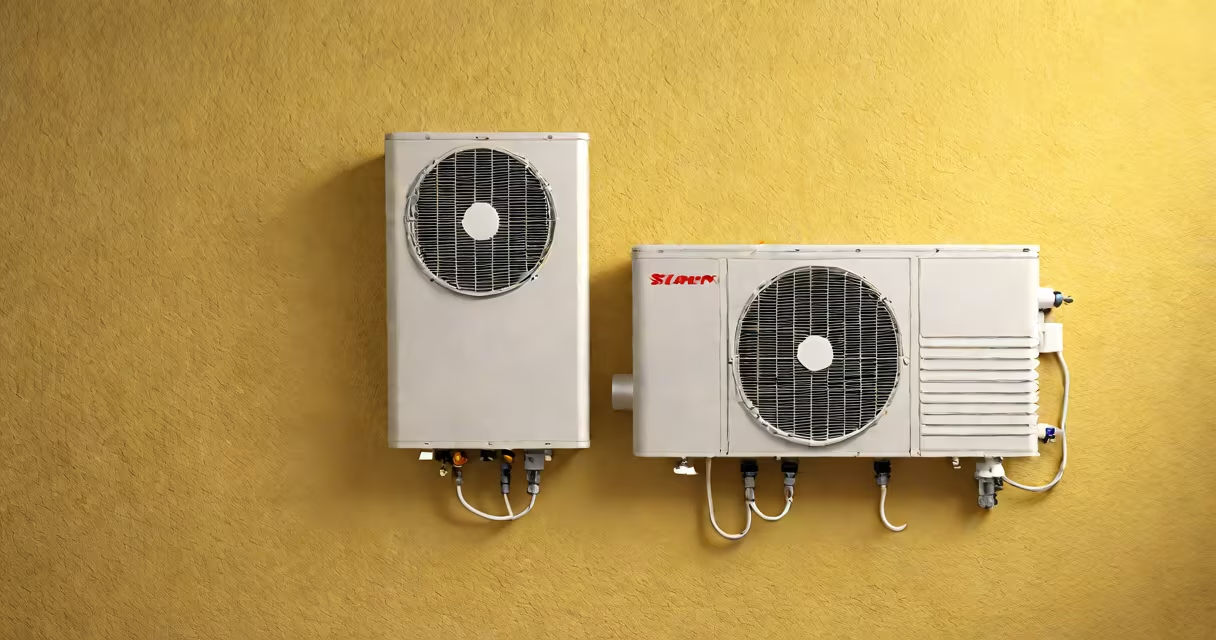
A heat pump in HVAC is a mechanical system that moves thermal energy from one location to another using a refrigeration cycle, enabling both heating and cooling without burning fuel. It operates by extracting heat from outdoor air, ground, or water and transferring it indoors during winter, reversing the process in summer to remove indoor heat and release it outdoors.
Unlike furnaces or boilers that generate heat through combustion, heat pumps move existing heat rather than create it. This makes them more efficient. According to the U.S. Department of Energy, heat pumps can deliver up to three times more heat energy than the electrical energy they consume, achieving coefficients of performance (COP) above 3.0 under optimal conditions.
Heat pumps are central to modern residential and commercial HVAC systems. They are installed in homes across temperate and cold climates, including regions like the Pacific Northwest and New England, where they provide reliable year-round comfort. Their efficiency reduces electricity demand and lowers greenhouse gas emissions compared to fossil-fuel-based heating.
At its core, a heat pump uses a refrigerant that cycles through four stages: evaporation, compression, condensation, and expansion. In heating mode, the refrigerant absorbs low-grade heat from outside air-even at temperatures below freezing-and compresses it into high-pressure, high-temperature vapor. This hot vapor releases heat into the indoor space via a heat exchanger, then cools and expands before returning to the outdoor coil to repeat the cycle.
The key component enabling this reversal is a reversing valve. During cooling mode, the valve redirects refrigerant flow so the indoor coil becomes the evaporator, absorbing heat from indoor air and releasing it outside. This dual functionality eliminates the need for separate heating and cooling systems.
For example, a typical air-source heat pump operating at 10°F outside temperature can still extract enough heat to maintain 70°F indoors. The system draws 1,500 watts of electricity but delivers approximately 4,500 watts of heat energy-three times the input-thanks to the COP principle.
There are three primary types of heat pumps used in HVAC applications: air-source, ground-source (geothermal), and water-source. Each varies in installation cost, efficiency, and environmental impact.
| Type | Energy Source | Efficiency (COP) | Typical Installation Cost | Best For |
|---|---|---|---|---|
| Air-source | Outdoor air | 2.5-4.0 | $5,000-$12,000 | Most U.S. homes, moderate climates |
| Ground-source (geothermal) | Subsurface earth | 3.5-5.0 | $20,000-$35,000 | Cold climates, long-term savings |
| Water-source | Well water or pond | 3.0-4.5 | $15,000-$25,000 | Properties near water bodies |
Air-source heat pumps are the most common. They require minimal site preparation and can be retrofitted into homes with existing ductwork. Ground-source systems offer higher efficiency and stability because underground temperatures remain relatively constant year-round. The U.S. Environmental Protection Agency notes that geothermal heat pumps reduce energy consumption by 30-60% compared to air-source models.
One non-obvious fact: air-source heat pumps perform poorly below -10°F without supplemental heat. Modern units with variable-speed compressors and enhanced defrost cycles now operate effectively down to -15°F, but efficiency drops sharply in extreme cold. This is why many northern U.S. homes pair air-source heat pumps with electric resistance backup or hybrid systems.
Many people assume heat pumps only cool. That's incorrect. A heat pump in HVAC functions as both a heater and an air conditioner. Its ability to reverse refrigerant flow allows it to pull heat from outside air in winter and push it out in summer.
Another misconception is that heat pumps are inefficient in cold weather. While their performance declines as outdoor temperatures drop, modern units maintain effective heating down to -15°F. The U.S. Department of Energy confirms that properly sized and installed heat pumps can meet 100% of a home's heating load in climates like Chicago and Minneapolis.
Some confuse heat pumps with traditional air conditioners. Both use refrigerant cycles, but air conditioners only cool. A heat pump adds a reversing valve and controls to enable heating. A standard AC unit cannot provide heating without a separate furnace or electric strip heater.
I installed a ductless mini-split heat pump in a 2,200-square-foot home in Portland, Oregon, in 2022. The house had old electric baseboard heaters and poor insulation. After replacing the heating system with a 24,000 BTU heat pump and sealing air leaks, annual heating costs dropped from $1,800 to $620. Cooling usage also decreased due to better humidity control.
During a winter storm with temperatures dipping to 18°F, the system maintained indoor temperatures between 68-70°F. The unit ran continuously for 12 hours but consumed only 2.4 kWh per hour on average. This equates to 28.8 kWh over 12 hours-about $3.45 in electricity at $0.12/kWh.
Heat pumps in HVAC represent a shift toward electrified, low-emission building systems. They are not just cooling devices-they are integrated climate control solutions that reduce reliance on fossil fuels while maintaining comfort. As grid decarbonization progresses, heat pumps will play a growing role in meeting U.S. climate goals.