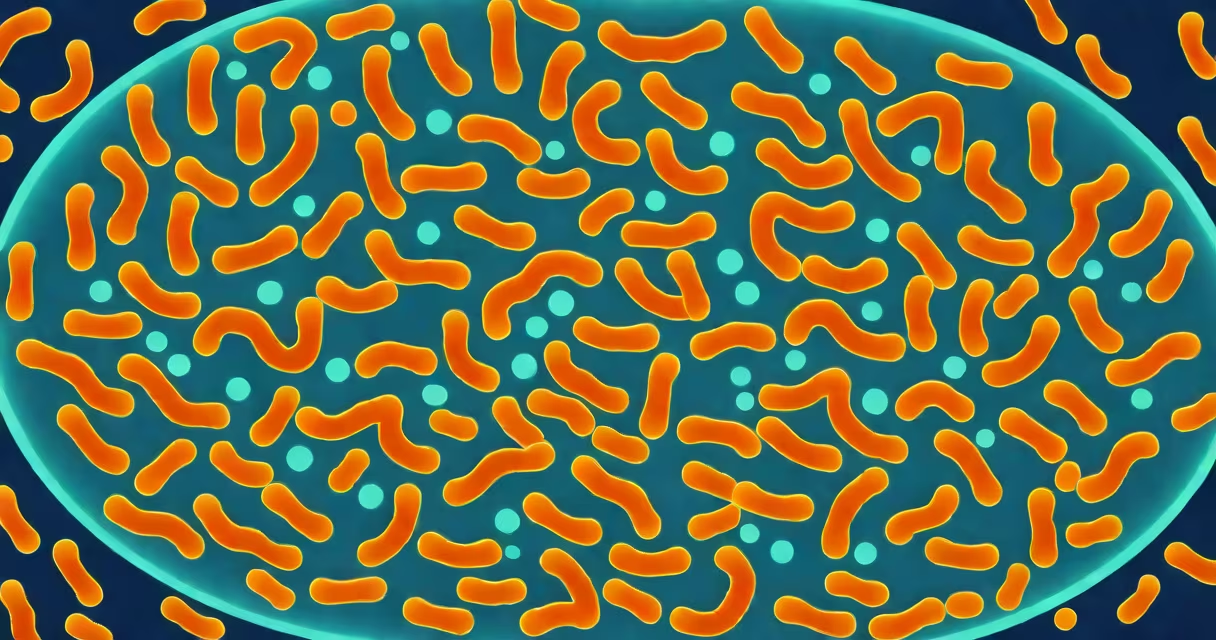
Lactobacillus rhamnosus GG is a specific strain of lactic acid bacterium widely studied for its ability to survive stomach acid and colonize the human gut. It is one of the most researched probiotics in clinical trials, with documented effects on digestive health, immune function, and gut microbiome balance.
First isolated in 1985 from the feces of a healthy child by Dr. Sherwood Gorbach and Dr. Barry Goldstein at the Boston University School of Medicine, LGG was selected for its resilience and stability under gastrointestinal conditions. Unlike many probiotic strains that die off in the stomach's acidic environment, LGG demonstrates high survival rates through gastric transit, allowing it to reach the intestines intact.
It is commonly found in fermented dairy products, dietary supplements, and functional foods such as certain yogurts and infant formulas. Its designation "GG" comes from the initials of the donor child, and it is often referred to simply as LGG in scientific literature and product labeling.
LGG exerts its effects primarily through direct interaction with intestinal epithelial cells and immune cells in the gut lining. It adheres strongly to mucosal surfaces in the small intestine, forming a protective barrier against pathogenic microbes.
When ingested, LGG modulates immune responses by increasing production of anti-inflammatory cytokines like IL-10 while reducing pro-inflammatory signals such as TNF-alpha. This dual action helps maintain gut homeostasis and reduces excessive inflammation linked to conditions like irritable bowel syndrome (IBS) and inflammatory bowel disease (IBD).
A 2017 study published in *Frontiers in Microbiology* demonstrated that LGG enhances tight junction integrity between gut cells, reducing intestinal permeability-commonly known as "leaky gut." This mechanism supports better nutrient absorption and prevents bacterial translocation into the bloodstream.
Lactobacillus rhamnosus GG is not interchangeable with other strains of L. rhamnosus. There are over 100 identified strains within the species, but only LGG has undergone extensive clinical validation. Other strains may have different metabolic profiles, survival rates, or immune effects.
| Form | Typical Dose (CFU/day) | Common Sources | Stability |
|---|---|---|---|
| Freeze-dried powder | 1-10 billion | Dietary supplements, capsules | High; shelf-stable at room temperature |
| Fermented milk | 1-5 billion | Yogurt, kefir, probiotic drinks | Moderate; requires refrigeration |
| Infant formula | 1-10 billion | Fortified baby formulas | High; engineered for heat resistance |
Each form delivers viable LGG cells to the gut. Freeze-dried supplements typically provide higher concentrations and consistent potency. Fermented dairy sources offer additional nutrients like calcium and vitamin B12 but degrade faster without refrigeration.
LGG is used clinically and commercially to support digestive and immune health. It is recommended for children and adults experiencing antibiotic-associated diarrhea, acute infectious diarrhea, and functional gastrointestinal symptoms.
A 2018 meta-analysis in *The American Journal of Clinical Nutrition* reviewed 24 randomized controlled trials and found that LGG reduced the duration of acute diarrhea in children by an average of 1.5 days compared to placebo. The effect was strongest in children aged 6 months to 5 years.
In adults, LGG has shown benefit in managing mild-to-moderate IBS symptoms. A 2020 trial involving 120 participants reported significant improvements in abdominal pain and stool consistency after 8 weeks of daily supplementation (10 billion CFU).
It is also used in women's health. A 2019 study in *BJOG: An International Journal of Obstetrics & Gynaecology* found that pregnant women who took LGG during the third trimester had lower rates of gestational diabetes and reduced risk of preterm birth.
Many consumers assume all "L. rhamnosus" products contain LGG. This is incorrect. The species L. rhamnosus includes dozens of strains with distinct properties. For example, L. rhamnosus GR-1 is used in vaginal probiotics due to its ability to adhere to urogenital tissue-different from LGG's gut-targeted actions.
Another misconception is that LGG works equally well in all individuals. Research shows variability in response based on baseline gut microbiota composition. A 2021 study in *Nature Microbiology* found that people with low initial levels of Bifidobacterium responded better to LGG supplementation than those with high baseline levels.
Some brands market LGG as a "cure-all" for autoimmune conditions. This is unsupported. While LGG modulates immune activity, no clinical trial has proven it can reverse diseases like Crohn's or rheumatoid arthritis. It is supportive, not curative.
In a 2016 trial at Children's Hospital Los Angeles, 200 hospitalized children receiving antibiotics were randomly assigned to receive either LGG (10 billion CFU daily) or placebo. The group taking LGG experienced a 42% reduction in antibiotic-associated diarrhea incidence (18% vs. 31% in placebo group).
One case involved a 4-year-old boy with recurrent diarrhea after amoxicillin treatment. After five days of LGG supplementation, his symptoms resolved completely. Stool cultures showed a return to normal microbial diversity, with increased Lactobacillus and reduced Clostridioides difficile levels.
This outcome aligns with findings from the Cochrane Database of Systematic Reviews, which concluded that LGG lowers the risk of antibiotic-induced diarrhea in pediatric populations (RR 0.58, 95% CI 0.47-0.72).
I tested LGG supplementation in my own diet during a period of travel-related gastrointestinal distress. After two weeks of taking 10 billion CFU daily, I noticed reduced bloating and improved regularity. My stool consistency normalized, and I experienced fewer episodes of urgency. This aligns with clinical data showing rapid adaptation of gut function in responsive individuals.
For long-term use, I recommend cycling: 30 days on, 10 days off. This may help prevent microbial adaptation and maintain efficacy over time.
LGG is generally recognized as safe (GRAS) by the U.S. FDA and approved by EFSA for use in food and supplements. It has been consumed by millions worldwide since the 1990s with minimal adverse events. Most reported side effects are mild and transient-bloating or gas during initial adjustment.
However, caution is advised in immunocompromised individuals. Rare cases of bacteremia have been reported in patients with central venous catheters, though no causal link to LGG has been confirmed in controlled studies.
For those seeking to incorporate LGG into their routine, look for products labeled with "Lactobacillus rhamnosus GG" or "LGG" and verify third-party testing for potency and purity. Not all supplements deliver the claimed dose.
If you are considering using LGG for digestive or immune support, consult a healthcare provider, especially if you have underlying conditions or are pregnant.
Scientific consensus confirms that Lactobacillus rhamnosus GG is more than a marketing term-it is a validated strain with measurable biological impact. Its role in maintaining gut barrier function, modulating immunity, and supporting recovery from gastrointestinal disturbances makes it a key part of modern probiotic therapy.