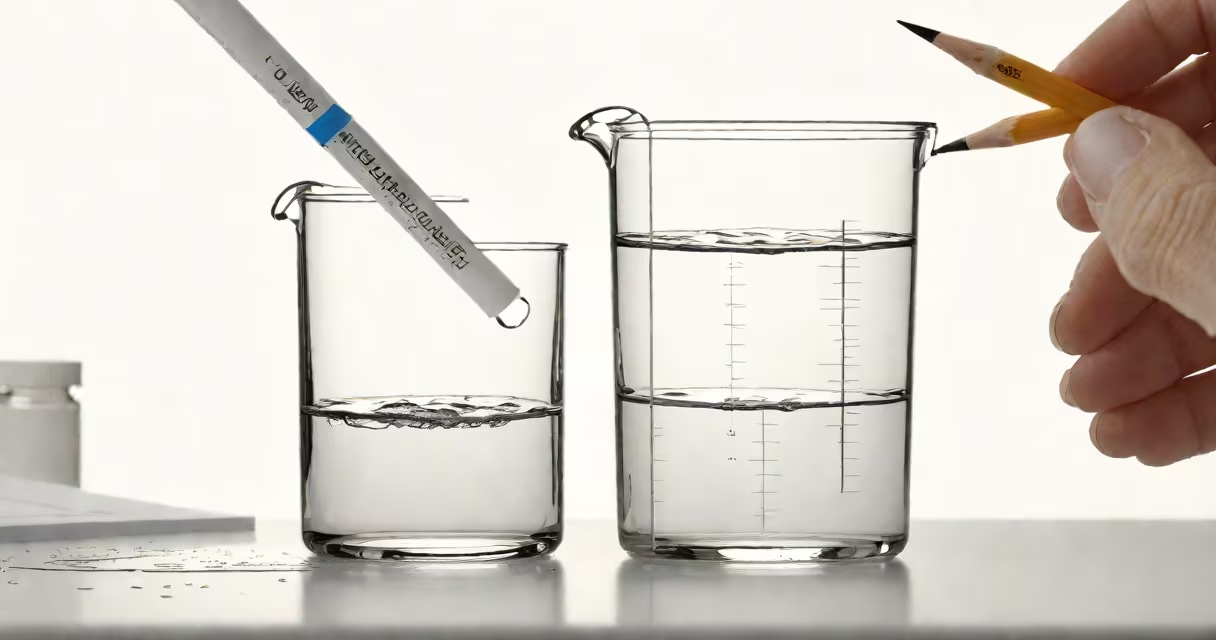
The definition of water quality refers to the physical, chemical, and biological characteristics of water that determine its suitability for human consumption, aquatic life support, agriculture, recreation, and industrial use. It is assessed through standardized parameters such as pH, turbidity, dissolved oxygen, nutrient levels, and presence of pathogens or toxins.
Water quality is not a single measurement but a composite evaluation based on multiple indicators. Regulatory bodies define acceptable thresholds for each parameter depending on intended use. For example, drinking water must meet stricter microbial and heavy metal limits than water used for irrigation. The U.S. Environmental Protection Agency (EPA) sets national standards under the Safe Drinking Water Act, while the Clean Water Act governs surface water quality.
Water quality assessments rely on consistent sampling methods and laboratory analysis. A sample collected from a river may be tested for coliform bacteria, nitrogen compounds, and suspended solids. If results exceed EPA thresholds, the water is classified as impaired and subject to remediation efforts. These standards ensure public health protection and ecological integrity.
Assessing water quality involves collecting samples from sources like rivers, lakes, wells, or municipal supply systems. Samples are analyzed for specific properties using calibrated instruments. Common tests include measuring pH with a digital probe, determining turbidity via light scattering, and detecting nitrates with colorimetric kits.
For microbiological assessment, water is cultured to detect Escherichia coli and other fecal indicator organisms. The presence of E. coli above 1 colony-forming unit per 100 mL in recreational waters triggers warnings. The World Health Organization (WHO) recommends a maximum of zero E. coli in drinking water, reflecting global benchmarks for safety.
Advanced techniques like mass spectrometry identify trace contaminants such as PFAS (per- and polyfluoroalkyl substances), which persist in the environment and accumulate in humans. A 2021 study in Environmental Science & Technology found PFAS detected in 75% of U.S. tap water samples tested, underscoring the need for updated monitoring protocols.
Water quality is evaluated across three core categories: physical, chemical, and biological. Physical attributes include temperature, color, and clarity. High temperatures reduce dissolved oxygen levels, stressing fish populations. Turbidity above 1 NTU (nephelometric turbidity unit) can interfere with disinfection processes in treatment plants.
Chemical factors cover pH, hardness, salinity, and pollutant concentrations. A pH below 6.5 or above 8.5 affects corrosion in pipes and alters nutrient availability. Hardness, measured in milligrams per liter of calcium carbonate, influences soap efficiency and scale formation in boilers.
Biological indicators include algae blooms, macroinvertebrate diversity, and pathogen counts. The presence of certain insects like stoneflies signals clean water, while leeches and midges suggest pollution. The EPA's Index of Biotic Integrity uses species composition to assign water quality scores from 0 to 100.
| Parameter | Drinking Water Standard (EPA) | Recreational Use Standard (EPA) | Impact of Exceedance |
|---|---|---|---|
| pH | 6.5-8.5 | 6.0-9.0 | Corrosion, taste issues, skin irritation |
| E. coli | 0 per 100 mL | 235 per 100 mL (30-day average) | Increased risk of gastrointestinal illness |
| Nitrate | 10 mg/L | 10 mg/L | Blue baby syndrome in infants |
| Turbidity | 1 NTU (max 95% of samples) | 2 NTU | Reduced effectiveness of chlorine disinfection |
Many assume clear water is safe. This is false. Water can appear pristine yet contain invisible toxins like lead or arsenic. In Flint, Michigan, 2014-2015, residents drank visibly clear water that contained lead levels exceeding 10 ppb-the EPA limit is 15 ppb. The crisis resulted from inadequate corrosion control during a switch to a new water source.
Another misconception is that bottled water is inherently safer than tap. The FDA regulates bottled water under the Federal Food, Drug, and Cosmetic Act, but enforcement varies. A 2022 report by the Environmental Working Group found microplastics in 93% of bottled water samples tested, including brands marketed as "pure." Tap water undergoes more frequent and transparent monitoring.
Some confuse water quality with water quantity. A region may have abundant water but poor quality due to industrial runoff. The Ganges River in India flows with high volume but contains fecal coliform levels exceeding 1 million MPN/100 mL-over 100 times the WHO threshold for safe bathing.
In 2023, a rural town in Colorado discovered elevated arsenic levels in its well system. Initial screening showed 12 parts per billion (ppb)-above the EPA standard of 10 ppb. The local health department collected five samples from different wells and sent them to a certified lab.
Results confirmed arsenic ranged from 11 to 18 ppb in four wells. The community was notified, and a filtration system using iron oxide media was installed. Post-installation testing showed levels dropped to 3-5 ppb within six months. This case demonstrates how regular monitoring prevents long-term exposure and aligns with the definition of water quality as a changing, testable condition.
Understanding the definition of water quality enables communities to act proactively. When standards are met, water supports life. When they're breached, intervention is required. The process is not static-it reflects ongoing environmental change and human activity.