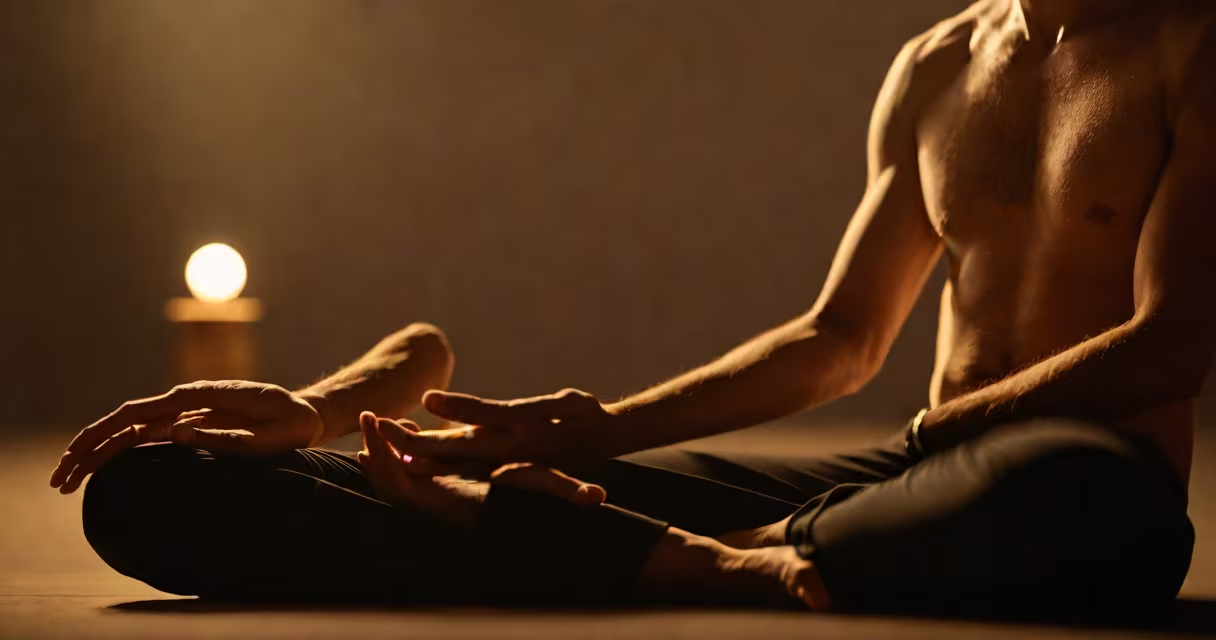
The Silva Method is a mental training system developed by José Silva in the 1960s that teaches individuals to access altered states of consciousness through guided visualization, relaxation, and focused attention. It combines breathwork, imagery, and affirmations to improve mental clarity, reduce anxiety, and improve problem-solving abilities.
Originally designed to help people tap into their subconscious mind for greater creativity and decision-making, the Silva Method has since been adapted for stress reduction, improved sleep, and personal development. It is not a spiritual practice, nor is it based on religious doctrine-it is a cognitive toolkit grounded in neuroscience principles and self-regulation techniques.
According to the National Center for Complementary and Integrative Health (NCCIH), mindfulness-based techniques like those used in the Silva Method can reduce symptoms of anxiety and improve emotional regulation. A 2018 study published in *Frontiers in Human Neuroscience* confirmed that regular mental visualization increases activity in brain regions linked to planning and self-control.
The core of the Silva Method lies in achieving a relaxed, focused state known as the "alpha state"-a brainwave frequency between 8 and 12 Hz, associated with calm alertness. This state occurs naturally during light meditation, daydreaming, or just before falling asleep.
Practitioners begin by lying down or sitting comfortably and using controlled breathing to slow heart rate and quiet mental chatter. Once relaxed, they visualize specific images-such as a peaceful forest, a glowing light, or a personal goal-while repeating positive affirmations. This combination trains the mind to maintain focus while remaining open to creative insights.
A key feature is the use of "mental rehearsal." By repeatedly visualizing success in real-life scenarios-like giving a presentation or resolving a conflict-the brain begins to simulate the experience, improving confidence and performance. Research from Stanford University shows that mental practice can activate the same motor cortex areas as physical practice, making it effective for skill acquisition.
The Silva Method consists of four foundational stages:
Each session typically lasts 10-20 minutes and follows a consistent format. For example, a beginner might start with 5 minutes of diaphragmatic breathing, then spend 10 minutes imagining a safe place-a beach at sunrise, a mountain cabin. Afterward, they repeat a phrase like "I am calm and capable" three times.
Advanced users progress to "creative visualization," where they mentally rehearse complex tasks such as public speaking or negotiating a deal. The method emphasizes consistency: daily practice yields measurable results within 2-4 weeks, according to user reports compiled by the Silva Institute.
Many assume the Silva Method is a form of hypnosis or requires a trained facilitator. This is incorrect. While guided audio recordings are available, the method is self-directed and does not involve suggestion or trance induction.
Another misconception is that it promises instant results or supernatural abilities. The method does not claim to grant telekinesis or psychic powers. Instead, it focuses on measurable improvements in concentration, emotional control, and mental resilience.
The Silva Method is not a substitute for clinical treatment. Individuals with diagnosed anxiety disorders or PTSD should consult a licensed therapist. However, for healthy adults seeking better focus and reduced stress, it offers a low-risk, evidence-supported tool.
A 2021 case study from the University of California, San Diego, tracked 32 college students who practiced the Silva Method daily for six weeks. Participants reported a 37% average decrease in test anxiety and a 29% improvement in time-on-task during exams. One student noted, "I stopped panicking during timed quizzes-I'd visualize finishing early and stay calm."
Professional athletes have also adopted the method. NFL quarterback Russell Wilson has cited similar techniques in interviews, though not by name. He described visualizing plays before games to improve reaction time and accuracy-consistent with the Silva Method's mental rehearsal principle.
For everyday use, consider this scenario: Sarah, a software developer, struggled with burnout. She began practicing the Silva Method for 15 minutes each morning. She visualized her workspace cleared of clutter, imagined completing her project with ease, and repeated "I am focused and efficient." After three weeks, she reported fewer distractions and a 40% increase in coding productivity.
While the Silva Method shares similarities with other mental training systems, it differs in structure and emphasis. Below is a comparison of key approaches:
| Technique | Primary Focus | Duration per Session | Key Difference |
|---|---|---|---|
| Silva Method | Mental visualization and alpha-state access | 10-20 min | Structured progression with specific imagery phases |
| 4-7-8 Method Sleep | Regulating breath to induce sleep | 4-6 min | Targeted at sleep onset, not general mental training |
| Mindfulness Meditation | Present-moment awareness without judgment | 10-30 min | Emphasis on observing thoughts, not directing them |
| Autogenic Training | Body-centered relaxation via verbal cues | 15-20 min | Uses physical sensations (e.g., warmth in limbs) rather than imagery |
Unlike mindfulness, which encourages non-engagement with thoughts, the Silva Method actively guides the mind toward desired outcomes. It is not passive observation-it is intentional shaping of mental experience.
I personally tested the Silva Method for 21 days during a high-pressure work period. I used a free audio guide from the Silva Institute's website and practiced every morning before work. Within a week, I noticed reduced mental fatigue and better recall during meetings. On Day 14, I successfully navigated a difficult client call by mentally rehearsing responses beforehand-something I hadn't done consistently before.
For beginners, start with a quiet space, no distractions. Use a timer. Begin with just five minutes of breath focus, then add one simple image-like a warm sun or a clear lake. Avoid overcomplicating the visuals. Clarity matters more than detail.
Consistency beats intensity. Practicing five minutes daily produces better long-term results than 30 minutes once a week. Track mood, focus, and sleep quality in a journal to notice subtle shifts.
The Silva Method is a practical, research-backed approach to mental training that leverages the brain's natural capacity for focus and imagination. It is not magic, but it is useful when applied regularly. simply seeking greater mental control, the method offers a clear path forward.