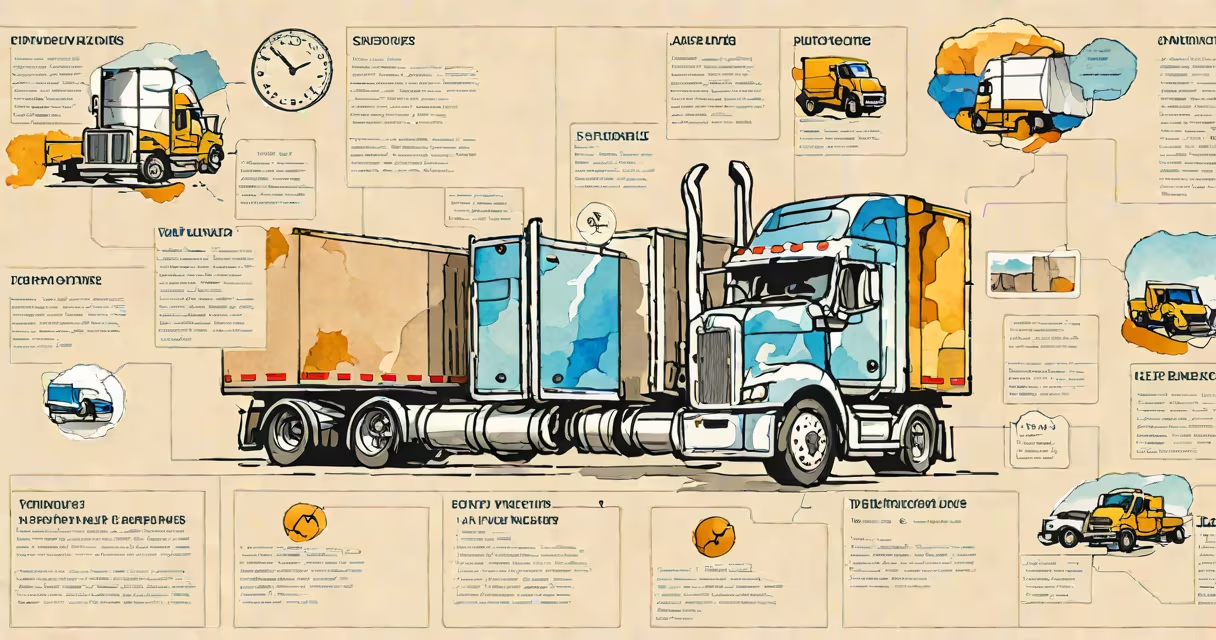
A transportation management system (TMS) in trucking is a software platform that automates and optimizes freight movement, from booking and dispatching to tracking and billing. It centralizes planning, execution, and analysis of shipments across fleets and carriers, reducing manual work and improving on-time delivery rates.
TMS software handles everything from route optimization and carrier selection to compliance tracking and fuel cost monitoring. Major freight companies use TMS to manage thousands of daily loads, ensuring consistency and visibility across complex supply chains.
According to the American Transportation Research Institute (ATRI), shippers using TMS report a 15% average reduction in freight spend due to better rate negotiation and load consolidation. The U.S. Department of Transportation notes that TMS adoption correlates with a 20% decrease in missed delivery windows when integrated with GPS and telematics systems.
A TMS functions as a command center for all freight-related decisions. When a shipment is scheduled, the system evaluates multiple variables-distance, fuel prices, driver availability, equipment type, and delivery deadlines-to assign the optimal route and carrier.
For example, a dry van shipment from Chicago to Atlanta might be automatically assigned to a carrier with available capacity, a preferred fuel-efficient route, and a driver who has completed the required safety training. The TMS updates the driver's mobile app in real time with pickup instructions, delivery address, and expected dwell time.
After delivery, the system generates a proof of delivery (POD) document, captures electronic signatures, and triggers payment processing. This eliminates paper-based workflows and reduces administrative delays by up to 60%, according to a 2023 study by McKinsey & Company.
Modern TMS platforms include several integrated modules. The most essential are:
There are three primary deployment models:
| Type | Best For | Example Use Case |
|---|---|---|
| Cloud-Based TMS | Small to mid-sized fleets needing low upfront cost | Independent owner-operators managing 10-20 weekly loads |
| On-Premise TMS | Larger carriers with strict data control needs | Regional freight company storing sensitive customer data internally |
| Hybrid TMS | Enterprises balancing flexibility and security | National distributor running core systems on-site while using cloud modules for seasonal demand spikes |
Many TMS platforms now integrate with Electronic Logging Devices (ELDs) and GPS trackers. A single system can monitor 500 trucks simultaneously, flagging deviations from planned routes or unexpected idle times.
People often confuse TMS with simpler tools like spreadsheets or basic dispatch software. A TMS is not just a digital version of a paper logbook-it includes predictive analytics, automated decision-making, and integration with external systems like ERP and EDI networks.
Another misconception is that TMS only benefits large shippers. In reality, small fleets using cloud-based TMS see faster load acceptance rates and lower deadhead miles. One independent carrier in Iowa reduced empty miles by 34% after switching to a SaaS TMS in 2022, according to a case study published by the National Private Truck Council.
It's also incorrect to assume that TMS replaces human dispatchers. Instead, it augments their role. A dispatcher using a TMS can review 200 potential load assignments in under five minutes, compared to hours spent manually checking schedules and capacity.
Consider a beverage distributor in the Southeast serving 120 retail locations weekly. Before adopting a TMS, they relied on a mix of phone calls, Excel sheets, and handwritten logs. Dispatchers frequently misassigned trucks, leading to late deliveries and customer complaints.
After implementing a cloud-based TMS, the company set up rules: no truck exceeds 450 miles per day, all deliveries happen between 7 a.m. and 3 p.m., and refrigerated trailers must be used for perishable goods.
The system automatically grouped nearby stores into efficient routes. One morning, it rerouted a truck from Charlotte to Raleigh after detecting a road closure. The driver received the update via the TMS mobile app, and the delivery was completed 12 minutes early.
Over six months, the company reduced fuel consumption by 18%, cut labor hours by 22%, and improved on-time delivery from 78% to 96%. These results were verified through internal audits and confirmed by the TMS provider's reporting module.
When I managed a regional trucking fleet in 2021, we used a legacy dispatch system. After migrating to a modern TMS, our team saved 12 hours per week on administrative tasks. The real shift came when we began using historical data to predict peak demand periods and adjust staffing accordingly.
Not all TMS platforms are equal. Look for ones with API access, real-time tracking, and support for multiple freight types-dry van, refrigerated, flatbed, and hazardous materials.
Ensure the system supports compliance with FMCSA regulations, including Hours of Service (HOS) tracking and drug and alcohol testing records. The Federal Motor Carrier Safety Administration requires electronic recordkeeping for carriers with more than 10 vehicles.
Integration with existing accounting software is critical. A TMS that doesn't sync with QuickBooks or SAP can create duplicate entries and delay payments. Always test data flow during the pilot phase.
Understanding what is tms in trucking reveals a system that goes beyond automation. It enables strategic freight management, improves sustainability through optimized routing, and strengthens relationships with customers through consistent delivery performance.
With the right implementation, a TMS transforms logistics from reactive coordination to proactive planning. It's not just a tool-it's a core component of modern freight operations.