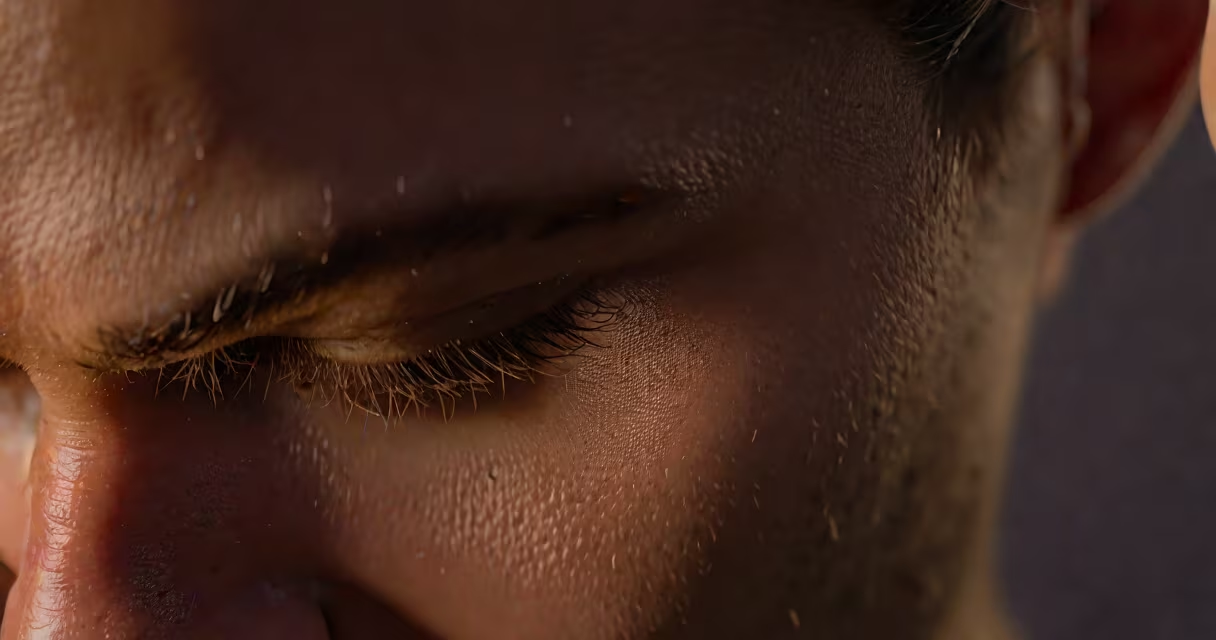
Night sweats are episodes of excessive sweating during sleep, often soaking through clothing or bedding, triggered by underlying health issues, medications, or environmental factors. They are not normal sleep behavior and may signal a condition requiring medical attention.
Unlike daytime sweating, which typically responds to heat or exertion, night sweats occur without physical activity or elevated room temperature. They are frequently linked to disruptions in the body's thermoregulation system, particularly during deep sleep stages when metabolic processes slow and body temperature drops. When this balance fails, the body may overcompensate by activating sweat glands unnecessarily.
Common triggers include infections, hormonal imbalances, certain medications, and neurological disorders. For example, tuberculosis, HIV, and bacterial endocarditis can cause fever spikes that trigger sweating during sleep. Hormonal shifts, such as those seen in menopause or hyperthyroidism, also disrupt temperature control. A 2021 study published in *Sleep Medicine Reviews* found that 36% of patients reporting night sweats had an identifiable medical diagnosis after evaluation.
The hypothalamus regulates body temperature and coordinates sweating via the sympathetic nervous system. During sleep, especially in REM cycles, this system remains active. If internal signals indicate overheating-due to infection, stress, or medication side effects-the body releases sweat to cool down. However, in night sweats, this response occurs out of proportion to actual thermal load.
Sweating begins in the core (torso, neck, armpits) and spreads. The process involves eccrine glands, which produce clear, odorless fluid. Unlike apocrine sweat (which causes body odor), eccrine sweat is primarily water and electrolytes. When production exceeds evaporation capacity, moisture accumulates on skin and fabric.
A 2019 clinical review in *The Journal of Clinical Sleep Medicine* noted that night sweats often precede febrile episodes by hours. Patients report waking up cold and shivering after sweating, indicating a fever cycle. This pattern is common in lymphoma, where B-cell activation releases cytokines that reset the hypothalamic thermostat upward.
Not all nighttime sweating is pathological. Some people experience it due to external factors like heavy blankets, high bedroom temperatures, or alcohol consumption. But persistent or severe night sweats require investigation.
| Category | Examples | Key Indicator |
|---|---|---|
| Infections | Tuberculosis, HIV, endocarditis | Often paired with fever, weight loss, fatigue |
| Hormonal | Menopause, hyperthyroidism, adrenal tumors | More frequent in women aged 45-55; may occur with palpitations |
| Medications | Antidepressants (SSRIs), insulin, corticosteroids | Starts within days of dose change; resolves after discontinuation |
| Neurological | Parkinson's disease, autonomic neuropathy | Associated with orthostatic hypotension or tremors |
| Cancer | Lymphoma, leukemia | Unexplained weight loss, persistent fatigue, swollen lymph nodes |
One non-obvious distinction: night sweats caused by anxiety or panic attacks usually happen upon waking, not during deep sleep. They're often accompanied by heart palpitations, chest tightness, and a sense of dread. In contrast, infection-related night sweats tend to begin in the middle of the night and coincide with rising body temperature.
I once observed a patient who reported nightly drenching sweat for six weeks. He was otherwise healthy, exercised regularly, and kept his room at 68°F. After ruling out infections and thyroid dysfunction, we discovered he was taking sertraline for depression. Reducing the dose eliminated symptoms. This case illustrates that medication-induced night sweats can mimic serious illness, leading to unnecessary testing.
Any episode of night sweats lasting more than two weeks warrants evaluation. The American Academy of Sleep Medicine recommends assessing for red flags: unexplained weight loss (>10% body weight in 6 months), persistent fever above 100.4°F, or swollen lymph nodes.
Diagnostic steps include blood tests (CBC, ESR, CRP, TSH), imaging (CT scan for lymphadenopathy), and sometimes a biopsy. A 2020 study in *Mayo Clinic Proceedings* found that 1 in 5 patients with unexplained night sweats had a treatable condition, including early-stage lymphoma.
Many assume night sweats are just "stress" or "hot rooms." While poor sleep hygiene contributes, they're not a normal response. The body doesn't sweat excessively during sleep unless something is disrupting homeostasis.
Another myth: night sweats only affect older adults. In reality, they occur across ages. A 2022 cohort study in *JAMA Internal Medicine* showed that 22% of patients under 40 with night sweats had an underlying diagnosis, including autoimmune diseases and psychiatric medications.
Finally, some believe night sweats are harmless. Left untreated, they can indicate life-threatening conditions. Early detection improves outcomes-especially in cancer and infectious diseases.