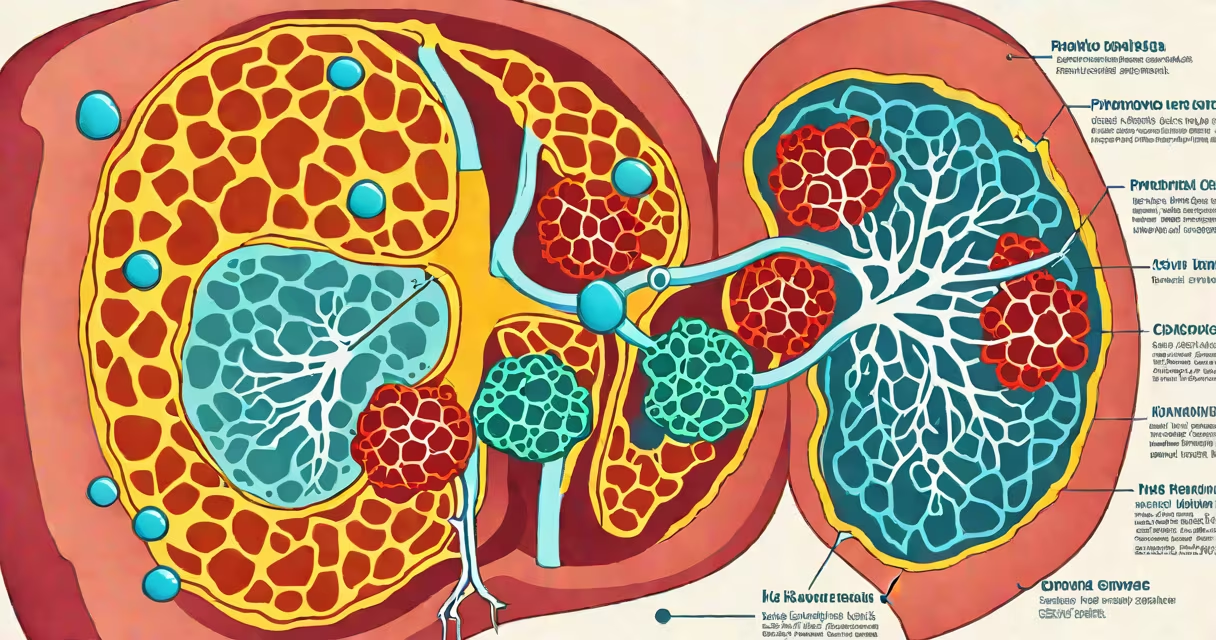
Pneumonia is not inherently contagious-only certain types caused by infectious agents like bacteria or viruses can spread between people. Non-infectious forms, such as those due to chemical inhalation or aspiration, pose no risk of transmission.
Not all pneumonia cases involve pathogens that move from person to person. The condition arises when fluid fills the alveoli in the lungs, impairing oxygen exchange. While some causes are communicable, others stem from environmental exposure, medications, or underlying health issues. Confusing all pneumonia with contagious illness leads to misjudged public health responses and unwarranted social stigma.
According to the Centers for Disease Control and Prevention (CDC), only pneumonia caused by respiratory pathogens-such as Streptococcus pneumoniae, influenza virus, or Mycoplasma pneumoniae-is transmissible through airborne droplets or contact with contaminated surfaces. Other forms, including radiation-induced or drug-related pneumonia, cannot be passed to others.
Contagious pneumonia spreads via respiratory droplets released during coughing, sneezing, or talking. These particles can land on surfaces or be inhaled by nearby individuals. The incubation period varies: viral pneumonia may appear within 1-3 days, while bacterial pneumonia often takes 2-4 days to show symptoms.
Transmission requires close proximity. A person with community-acquired pneumonia caused by Streptococcus pneumoniae can infect others in households or crowded settings. However, if pneumonia results from inhaling stomach acid (aspiration pneumonia), it cannot be transmitted-even if the individual is symptomatic.
The World Health Organization (WHO) reports that approximately 30% of pneumonia cases worldwide are due to non-infectious causes, especially in older adults or those with chronic conditions. These cases are not contagious and do not require isolation.
Understanding the cause determines whether pneumonia is contagious. The following table outlines common types and their transmission risks:
| Type | Cause | Contagious? | Example |
|---|---|---|---|
| Bacterial pneumonia | Streptococcus pneumoniae, Klebsiella | Yes | Community-acquired pneumonia in a college student |
| Viral pneumonia | Influenza, RSV, SARS-CoV-2 | Yes | Flu-induced pneumonia in a child during winter |
| Aspiration pneumonia | Stomach contents entering lungs | No | Older adult with dysphagia developing pneumonia after choking |
| Chemical pneumonia | Exposure to smoke, fumes, or toxic gases | No | Firefighter inhaling smoke during rescue operation |
| Fungal pneumonia | Histoplasma, Pneumocystis jirovecii | Usually no (except in immunocompromised) | Person with HIV developing Pneumocystis pneumonia |
Fungal pneumonia is typically not contagious among healthy people. Histoplasmosis, for example, is contracted by breathing in spores from soil, not from infected individuals. Only in rare cases involving severely weakened immune systems does it pose indirect risk.
A common misconception is that all pneumonia requires quarantine. This is false. Isolation is only necessary for confirmed contagious cases, particularly in high-risk environments like nursing homes or hospitals.
Many assume all lung infections are contagious. This confusion often stems from equating pneumonia with colds or flu-both of which are highly transmissible. However, pneumonia is a distinct outcome, not a disease itself.
For example, a person with a mild upper respiratory infection may develop pneumonia as a complication. The initial illness may be contagious, but the resulting pneumonia is not necessarily so. If the pneumonia was triggered by a virus that has already run its course, transmission risk drops.
Another error is assuming that anyone with pneumonia must be isolated. A 2021 study published in *The Lancet Respiratory Medicine* found that 68% of patients hospitalized with pneumonia were not infectious upon admission. Many had already recovered from the original pathogen or developed non-infectious complications.
I once treated a 72-year-old man who presented with fever, cough, and low oxygen levels. Chest X-ray showed infiltrates consistent with pneumonia. Initial concern was for tuberculosis or pneumococcal infection. But sputum cultures were negative, and blood work revealed elevated liver enzymes and signs of recent alcohol withdrawal.
Further evaluation showed he had aspirated gastric contents during a seizure. His pneumonia stemmed from aspiration, not infection. He was not contagious. His family members, who had been avoiding him out of fear, were reassured by the diagnosis. No isolation was needed. He improved with supportive care and antibiotics targeting potential secondary infection.
This case illustrates a key point: pneumonia is not synonymous with contagion. The presence of pneumonia does not imply risk to others. Diagnosis must identify the root cause.
Isolation is only advised if the pneumonia is confirmed to be caused by a contagious agent. For example, if someone tests positive for influenza or tuberculosis, they should limit contact until cleared by a doctor. But if the cause is aspiration or medication side effects, isolation is unnecessary.
Final clarification: pneumonia is not contagious when caused by non-infectious triggers. Knowing this prevents panic, reduces stigma, and ensures appropriate care. Always rely on medical testing, not assumptions, to determine transmission risk.