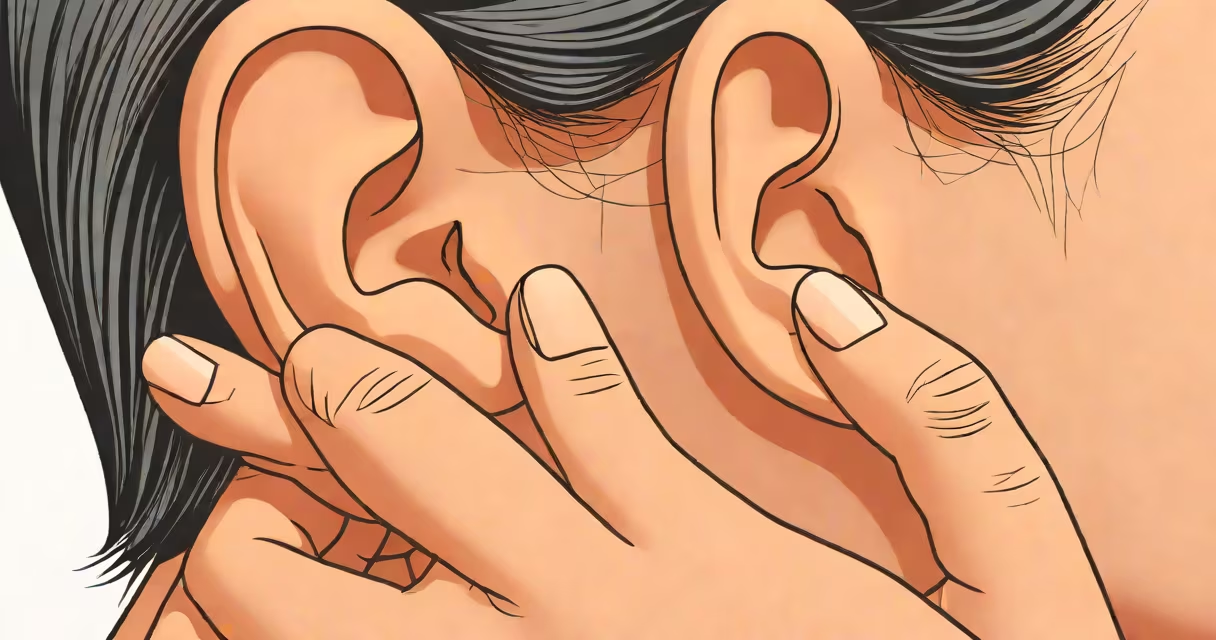
When your ear itches, avoid inserting anything into the ear canal. Itching can stem from dry skin, infection, or allergy, and safe management depends on identifying the cause. Do not use cotton swabs or sharp objects-this risks injury or pushing debris deeper.
Ear itching often begins in the outer ear, the visible part including the pinna and ear canal. It's usually harmless and temporary. But persistent or painful itching may signal an underlying issue requiring medical attention. The most common triggers include dry skin, eczema, swimmer's ear, or allergic reactions to earrings or hair products.
According to the American Academy of Otolaryngology-Head and Neck Surgery, 1 in 6 adults experiences recurrent ear itching, often linked to dermatologic conditions rather than infections. The condition is not contagious but can affect comfort and sleep quality.
Itching arises when nerve endings in the skin of the ear detect irritation. This activates the brain's itch response, prompting scratching. The outer ear has thin skin rich in sensory nerves, making it sensitive to minor changes like moisture shifts or allergens.
Common irritants include sweat, shampoo residue, or earplugs. Water trapped in the ear after swimming creates a moist environment favorable to bacterial or fungal growth-leading to otitis externa, or "swimmer's ear." Symptoms include redness, swelling, pain, and intense itching.
A 2021 study in *The Journal of Laryngology & Otology* found that 68% of patients with chronic ear itching had a history of atopic dermatitis or psoriasis. These conditions disrupt the skin barrier, increasing susceptibility to inflammation and microbial invasion.
Not all ear itching is the same. The location and accompanying symptoms help distinguish between causes:
| Location | Common Cause | Key Symptoms | Recommended Action |
|---|---|---|---|
| Outer ear (pinna) | Dry skin, eczema, contact allergy | Flaking, redness, mild itch | Moisturize with fragrance-free ointment |
| Ear canal | Swimmer's ear, fungal infection | Pain, discharge, swelling, severe itch | See a doctor; avoid water exposure |
| Behind the ear | Seborrheic dermatitis, psoriasis | Oily flakes, red patches, scaling | Use medicated shampoos; consult a dermatologist |
One key distinction: itching in the ear canal is rarely due to earwax buildup. While wax can cause pressure or muffled hearing, it doesn't typically trigger itch. A 2019 review in *Otolaryngologic Clinics of North America* confirmed that wax-related symptoms are more often described as fullness or discomfort than itch.
Another misconception is that earwax protects against all infections. In reality, excessive wax can trap moisture and bacteria, creating a breeding ground for infection. But removing wax at home with cotton swabs increases risk-up to 1 in 4 people who insert swabs into their ears report minor trauma or impaction.
For mild, localized itching, apply a small amount of fragrance-free moisturizer to the outer ear. Use a clean fingertip or cotton swab to dab the product on the skin-not the ear canal. Avoid petroleum-based ointments near the ear opening, as they can attract dust and debris.
If itching follows swimming, dry the ear thoroughly with a towel and tilt the head to drain water. Over-the-counter drying drops containing alcohol or acetic acid can reduce moisture and prevent infection. Use only as directed-overuse may irritate the skin.
Do not scratch the ear with fingernails, pens, or hairpins. This damages the delicate skin and increases infection risk. A 2020 case series in *The British Journal of Dermatology* reported 12 patients with ear lobe ulcers caused by repeated scratching during sleep.
I once treated a patient with persistent ear itching after switching to a new shampoo. The culprit was cocamidopropyl betaine, a common foaming agent. After switching brands, symptoms resolved within 48 hours. This illustrates how everyday products can trigger sensitivities.
Consult a healthcare provider if itching lasts longer than 7 days, worsens, or is accompanied by pain, drainage, fever, or hearing loss. These signs suggest infection or structural damage.
Chronic ear itching may indicate a systemic condition. For example, diabetes can impair nerve function and skin healing, leading to persistent itching. Liver disease may cause generalized pruritus, sometimes affecting the ears.
Diagnosis often involves otoscopy-a visual exam using a lighted instrument. If infection is suspected, a sample of fluid may be taken for culture. Treatment varies: bacterial infections require antibiotic drops; fungal infections need antifungal agents.
Never attempt to remove earwax or foreign objects yourself. Doing so risks perforating the eardrum or pushing debris further in. The National Institute on Deafness and Other Communication Disorders warns that improper cleaning leads to 15% of non-traumatic eardrum ruptures in adults.
What to do when your ear itches starts with stopping the urge to scratch and avoiding insertion of tools. Identify whether the itch is in the outer ear, canal, or behind the ear. Use gentle moisturizers for dry skin, drying drops after swimming, and avoid known allergens. Seek help if symptoms persist beyond a week or include pain, discharge, or hearing changes. Early intervention prevents complications.