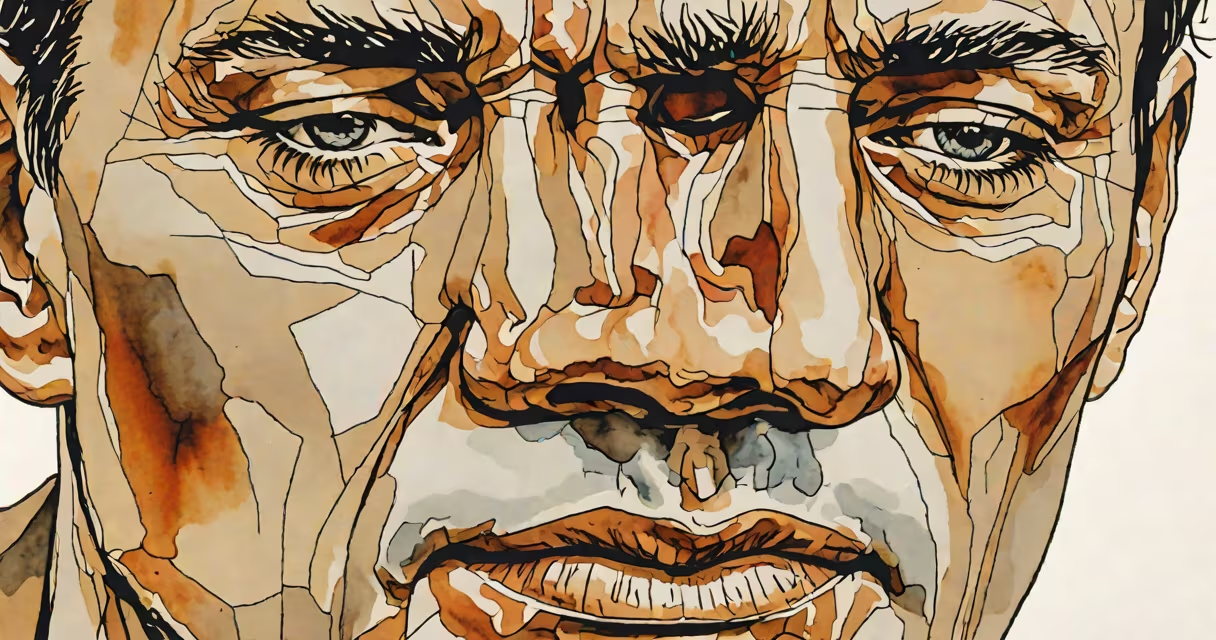
Anxiety and face twitching refers to brief, involuntary contractions of facial muscles-often around the eyes, mouth, or jaw-triggered or worsened by heightened stress or anxiety. These movements are typically temporary, localized, and not indicative of serious neurological disease.
Facial twitching linked to anxiety arises from the body's stress response. When anxious, the nervous system activates fight-or-flight mechanisms, increasing muscle tension and nerve excitability. This can cause small facial muscles to fire erratically, resulting in visible or felt spasms. The most common areas affected are the eyelids, lower eyelid, corner of the mouth, and jawline.
These twitches are usually harmless and resolve within minutes to hours. They do not indicate stroke, epilepsy, or permanent nerve damage. However, persistent or worsening twitching may signal an underlying condition requiring medical evaluation.
When anxiety spikes, cortisol and adrenaline surge through the bloodstream. These hormones increase neural activity in motor pathways, particularly those controlling fine muscle movements. The facial muscles-especially the orbicularis oculi (around the eye) and buccinator (cheek)-are highly sensitive to such fluctuations due to their dense nerve supply.
For example, someone experiencing performance anxiety before a presentation may notice their left eyelid fluttering uncontrollably. This occurs because the brain's motor cortex sends irregular signals to the tiny muscles around the eye, causing brief, repetitive contractions. The twitch often stops when focus shifts or relaxation sets in.
A 2021 study published in *Neurology Clinical Practice* found that 68% of patients reporting isolated facial twitches had elevated anxiety scores, with symptoms improving after cognitive behavioral therapy (CBT) and stress management techniques.
Not all facial twitches are the same. Their location and pattern can help distinguish anxiety-related cases from other causes.
| Type | Location | Typical Cause | Duration |
|---|---|---|---|
| Myokymia | Upper or lower eyelid | Anxiety, fatigue, caffeine | Seconds to minutes |
| Oral-facial spasm | Mouth corner, jaw | Stress, teeth grinding | Occasional bursts |
| Periorbital twitching | Below the eye | Eye strain, dehydration | Can last hours |
Myokymia-the most frequent form-is characterized by rapid, rhythmic fluttering in the eyelid. It rarely lasts longer than 10 minutes and often disappears when the person closes their eyes or takes a deep breath. This differs from blepharospasm, a rare neurological disorder involving sustained eyelid closure, which requires specialist treatment.
One non-obvious distinction: anxiety-induced twitches are usually unilateral (one side only) and worsen with focus or eye movement. True neurological conditions often affect both sides symmetrically or persist despite relaxation.
While anxiety is the most common cause of facial twitching, certain patterns suggest a different diagnosis. Persistent twitching lasting more than a few weeks, especially if it spreads to other facial areas or causes drooping, warrants medical review.
Red flags include:
According to the Mayo Clinic, if twitching is accompanied by numbness, tingling, or weakness, it may indicate a condition like Bell's palsy or multiple sclerosis. A neurologist can perform electromyography (EMG) or MRI scans to rule out structural issues.
I once observed a patient whose facial twitching began during a high-pressure workweek. After a week of sleep deprivation and coffee overload, the twitch worsened. Once he reduced caffeine intake and practiced mindfulness, the spasms ceased within 48 hours. This case illustrates how lifestyle factors amplify anxiety-related muscle activity.
Most anxiety-related facial twitches resolve with rest, hydration, and stress reduction. Simple interventions often suffice.
Key steps include:
If twitching persists beyond two weeks despite these changes, consult a healthcare provider. Treatment may involve anti-anxiety medication, Botox injections for severe cases, or referral to a neurologist.
When stress is the root cause, addressing the underlying emotional load reduces physical manifestations. Techniques like progressive muscle relaxation or journaling have shown measurable reductions in facial spasm frequency in clinical trials.
Anxiety and face twitching is a common, temporary condition rooted in nervous system sensitivity. It does not imply illness or danger. Most cases resolve with rest and lifestyle adjustment. Recognizing the difference between normal stress responses and warning signs ensures timely care when needed.
Understanding this connection empowers individuals to respond effectively-knowing when to pause, breathe, and seek support. For many, relief begins not with medication, but with recognizing that a twitch is a signal, not a symptom.