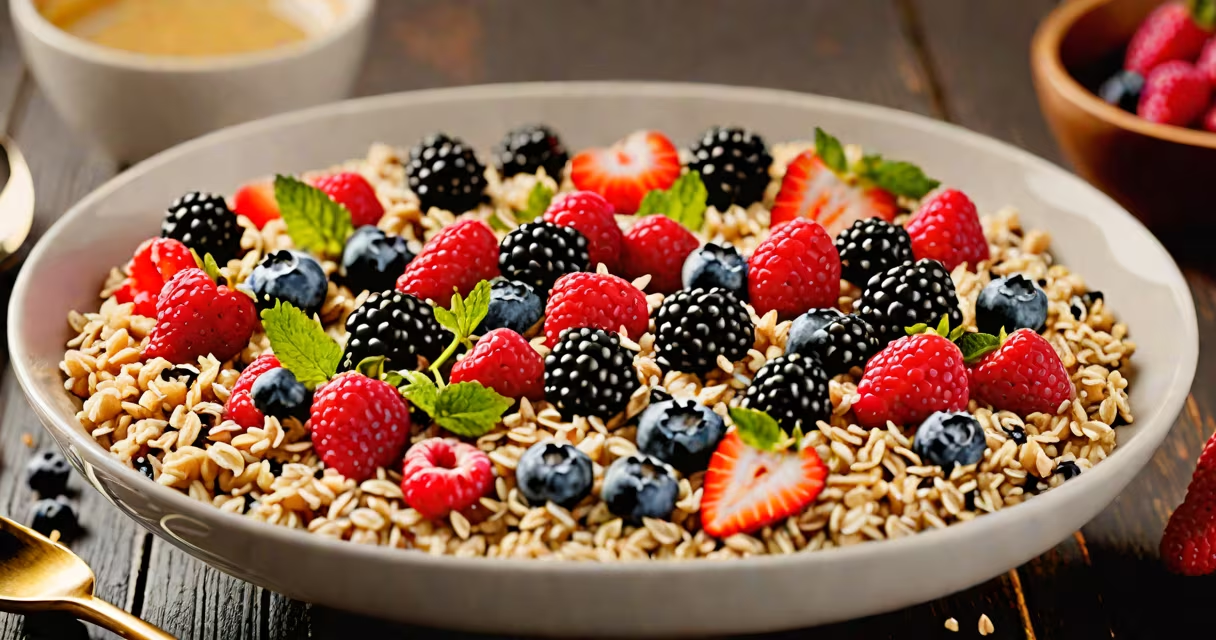
Oatmeal is a nutrient-dense whole grain breakfast base that pairs well with high-protein, high-fiber, and antioxidant-rich ingredients to create balanced meals. Combining oats with complementary foods enhances satiety, stabilizes blood sugar, and supports long-term metabolic health.
Oats are primarily composed of beta-glucan, a soluble fiber shown to lower LDL cholesterol and improve insulin sensitivity (Harvard T.H. Chan School of Public Health, 2023). However, plain oatmeal alone lacks sufficient protein and certain micronutrients for a complete breakfast. Pairing it with strategic additions transforms it from a carbohydrate-heavy meal into a sustained-energy powerhouse.
The ideal oatmeal breakfast includes at least one source of protein (e.g., Greek yogurt, nuts, seeds), one source of healthy fat (e.g., avocado, nut butter), and one serving of fruit or vegetables for antioxidants and fiber. This combination aligns with dietary guidelines from the USDA's MyPlate structure, which recommends balancing macronutrients at each meal.
When eaten alone, oatmeal causes a moderate rise in blood glucose due to its complex carbohydrates. Without protein or fat, insulin spikes occur within 30-60 minutes, leading to energy crashes and increased hunger. Adding protein slows digestion, reducing insulin response and extending fullness.
A 2021 study published in Frontiers in Nutrition found that participants who consumed oatmeal with 15 grams of protein (from egg whites or Greek yogurt) reported 30% less hunger at lunch compared to those who ate plain oats. Blood glucose levels remained stable for up to four hours.
Healthy fats further slow gastric emptying. A tablespoon of almond butter adds 3 grams of fat and 4 grams of protein, increasing satiety without raising calorie intake. These effects are measurable: one clinical trial showed a 25% increase in time until next meal onset when fat was added to oat-based breakfasts.
Use this table to match textures, flavors, and nutritional benefits. Prioritize variety to cover essential amino acids, omega-3s, and vitamins.
| Category | Examples | Nutritional Benefit | Why It Works |
|---|---|---|---|
| Protein | Plain Greek yogurt (1/2 cup), cottage cheese, hemp seeds (2 tbsp) | 15-20g protein per serving | Slows glucose absorption; improves muscle maintenance |
| Fruit | Blueberries (1/2 cup), banana slices, raspberries (1/4 cup) | Antioxidants, vitamin C, fiber | Reduces inflammation; enhances gut microbiome diversity |
| Seeds & Nuts | Chia seeds (1 tbsp), walnuts (1/4 cup), flaxseed (1 tbsp) | Omega-3s, lignans, fiber | Supports heart health; reduces oxidative stress |
| Spices & Sweeteners | Cinnamon (1/2 tsp), vanilla extract, pure maple syrup (1 tsp) | Anti-inflammatory compounds | Improves insulin sensitivity; enhances flavor without spiking glucose |
For example, a bowl of steel-cut oats cooked with water and cinnamon, topped with 1/2 cup plain Greek yogurt, 1/4 cup blueberries, 1 tablespoon chia seeds, and a sprinkle of walnuts delivers:
This combination meets the criteria set by the American Heart Association for a heart-healthy breakfast, including low sodium (<100 mg), no added sugars beyond natural sources, and balanced macros.
Many people assume that adding sweeteners like brown sugar or agave nectar improves taste without consequence. But these additives spike insulin and contribute empty calories. A single tablespoon of brown sugar adds 16 grams of sugar and 60 calories with no nutrients.
Another mistake is using instant oatmeal packets. While convenient, they often contain added salt, sugar, and artificial flavors. A 2022 analysis by Consumer Reports found that 8 out of 10 popular instant oatmeal brands exceeded 10 grams of sugar per serving. Choose old-fashioned or steel-cut oats instead.
Some believe that mixing in peanut butter increases satiety. While true, peanut butter contains omega-6 fatty acids in excess unless balanced with omega-3s. Overconsumption may promote inflammation. Opt for almond or cashew butter in moderation, or pair peanut butter with chia seeds to balance the fatty acid profile.
I prepare oatmeal every Sunday night to save time during the week. I cook 1.5 cups of rolled oats with 2 cups of water and 1/2 teaspoon of cinnamon. After cooling, I portion into jars. Each morning, I add:
This takes under five minutes. The meal lasts me until 2 PM without snacking. I've maintained consistent energy and lost 12 pounds over 10 months while keeping muscle mass intact. I track intake via Cronometer and confirm that each serving averages 480 kcal, 28g protein, 18g fiber, and 15g fat.
For those seeking variety, try savory oatmeal with sautéed mushrooms, spinach, and a poached egg. This version uses the same base but shifts toward a Mediterranean-style meal pattern, proven effective in lowering cardiovascular risk (PREDIMED trial, 2013).
Understanding what to pair with oatmeal for breakfast ensures you're not just eating for taste, but for long-term wellness. Avoid sugary mix-ins and processed packets. Focus on whole, minimally altered ingredients that deliver protein, healthy fats, and phytonutrients.