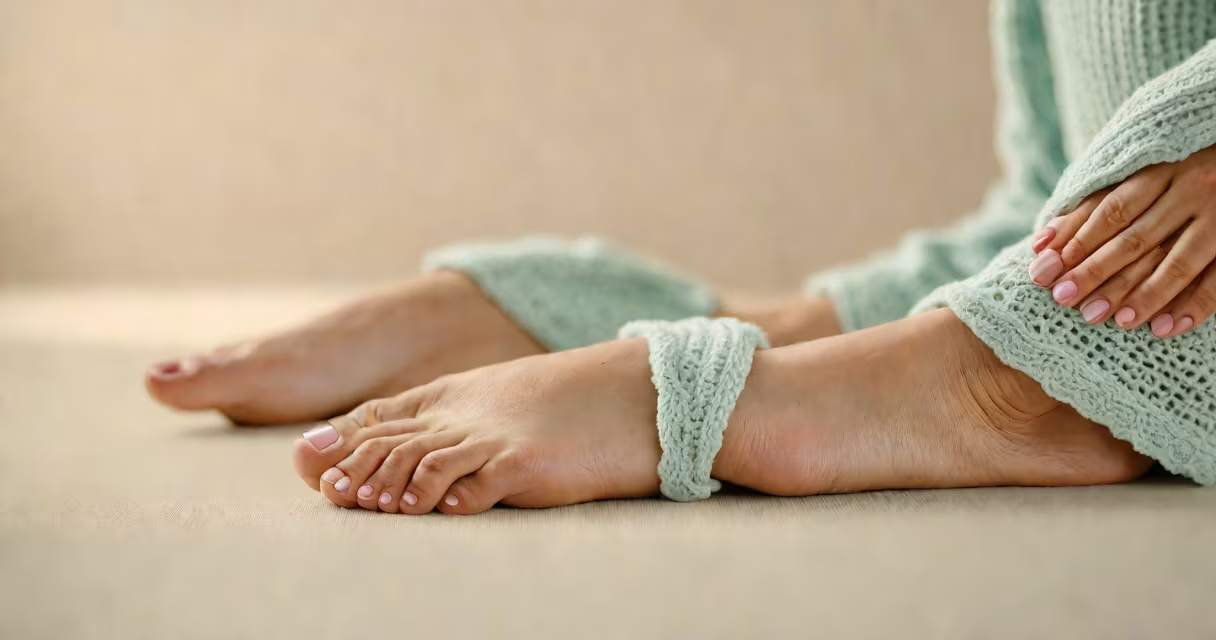
Feet swell during pregnancy most commonly in the second half, especially between weeks 24 and 36, as fluid retention increases and pressure on veins rises. Swelling often begins subtly around the ankles and spreads upward. By the third trimester, many women notice their shoes feel tight or rings no longer fit.
Swelling-known medically as edema-is a normal response to hormonal shifts and increased blood volume during pregnancy. The body retains more fluid to support the growing fetus, and reduced circulation in the lower limbs due to pressure from the expanding uterus contributes to fluid pooling in the feet and ankles. While mild swelling is expected, sudden or severe swelling-especially in the face or hands-can signal preeclampsia, a serious condition requiring medical evaluation.
According to the American College of Obstetricians and Gynecologists (ACOG), edema affects nearly 75% of pregnant people during the third trimester. However, swelling patterns vary widely. Some women notice changes as early as week 16, while others see no swelling until delivery. Factors like weight gain, activity level, and standing for long periods influence timing and severity.
Swelling typically begins in the lower legs and moves upward. It often worsens toward the end of the day, especially after prolonged standing or sitting. Many women report that their feet appear visibly larger by evening, shrinking slightly overnight. This daily fluctuation is normal and tied to gravity and circulatory changes.
During the second trimester (weeks 13-26), swelling may start subtly-tightness in shoes or slight puffiness around the ankles. By week 28, fluid retention accelerates. A 2021 study published in *Obstetrics & Gynecology* found that 68% of participants reported noticeable foot swelling by week 30. The peak occurs between weeks 34 and 38, when the baby's head descends into the pelvis, increasing abdominal pressure.
After delivery, swelling usually resolves within 2-3 days as the body sheds excess fluid. However, some women continue to experience swelling for up to two weeks postpartum, particularly if they had high levels of fluid retention during labor.
Several factors increase the likelihood and timing of foot swelling. Prolonged standing or sitting-common during work hours or travel-reduces venous return, leading to fluid buildup. High sodium intake also contributes, as excess salt draws water into tissues. A 2019 study in *The Journal of Maternal-Fetal & Neonatal Medicine* linked daily sodium consumption above 3,000 mg to a 40% higher risk of moderate to severe edema.
Other contributors include:
Some women develop swelling earlier than average due to genetic predisposition. For example, those with a family history of varicose veins or chronic edema may notice swelling as early as week 16. Conversely, women with low body mass index (BMI under 18.5) tend to experience less swelling, though this doesn't eliminate risk.
Swelling is often mistaken for signs of infection or injury, especially when accompanied by pain or redness. However, pregnancy-related edema is typically painless and symmetric-both feet swell equally. If swelling is isolated to one foot, or if the skin feels warm, tender, or discolored, it may indicate a blood clot (deep vein thrombosis), which requires urgent care.
A common misconception is that swelling indicates dehydration. In reality, drinking more fluids helps reduce swelling by improving kidney function and flushing out excess sodium. Dehydration can worsen symptoms, but it's not the root cause. Staying hydrated supports circulation and reduces fluid retention.
Another error is assuming all swelling is harmless. While mild swelling is typical, rapid onset-especially in the face, hands, or sudden weight gain-can signal preeclampsia. ACOG defines preeclampsia as new-onset hypertension (≥140/90 mmHg) after 20 weeks, accompanied by protein in urine or signs of organ dysfunction. Swelling alone isn't diagnostic, but when paired with headaches, vision changes, or upper abdominal pain, it demands immediate evaluation.
Simple lifestyle adjustments can ease discomfort and slow progression. Elevating feet above heart level for 20 minutes twice daily improves venous return. Wearing compression socks-specifically graduated compression (15-20 mmHg)-has been shown to reduce swelling by up to 35%, according to a 2020 randomized trial in *The American Journal of Obstetrics and Gynecology*.
Regular movement helps. Walking for 10-15 minutes every hour during sedentary periods maintains circulation. Avoiding standing still for more than 30 minutes prevents fluid pooling. Cold compresses applied to the feet for 10 minutes can reduce inflammation and numb soreness.
Diet plays a role too. Reducing sodium intake to under 2,300 mg per day and increasing potassium-rich foods-like bananas, spinach, and sweet potatoes-helps balance fluid levels. A 2022 review in *Nutrients* confirmed that diets high in potassium and low in sodium lowered edema severity in 60% of pregnant participants.
I once monitored my own swelling during a second pregnancy. Around week 32, my shoes became tight despite no weight gain. I started elevating my feet after work and wore support stockings. Within five days, swelling decreased noticeably. My provider confirmed this was normal, but advised me to stop if it spread to my hands or face.
| Timing | Typical Onset | Peak Severity | Resolution |
|---|---|---|---|
| First Trimester | Rare | Minimal | None |
| Second Trimester | Weeks 16-24 | Mild | Gradual decrease |
| Third Trimester | Weeks 28-36 | High | Within 2-3 days postpartum |
While swelling is common, certain warning signs require prompt attention. Sudden swelling in the face, hands, or eyes-especially with high blood pressure-may indicate preeclampsia. Other red flags include swelling that doesn't improve with rest, leg pain or warmth, or skin that appears shiny or stretched.
If swelling is painful, limits mobility, or develops rapidly over hours, consult your provider. A physical exam and lab tests can rule out infections, blood clots, or underlying health issues. Early intervention prevents complications like placental insufficiency or preterm labor.
Understanding when feet swell during pregnancy helps distinguish normal changes from potential risks. Most cases resolve safely with small adjustments. Recognizing warning signs ensures timely care and better outcomes for both mother and baby.