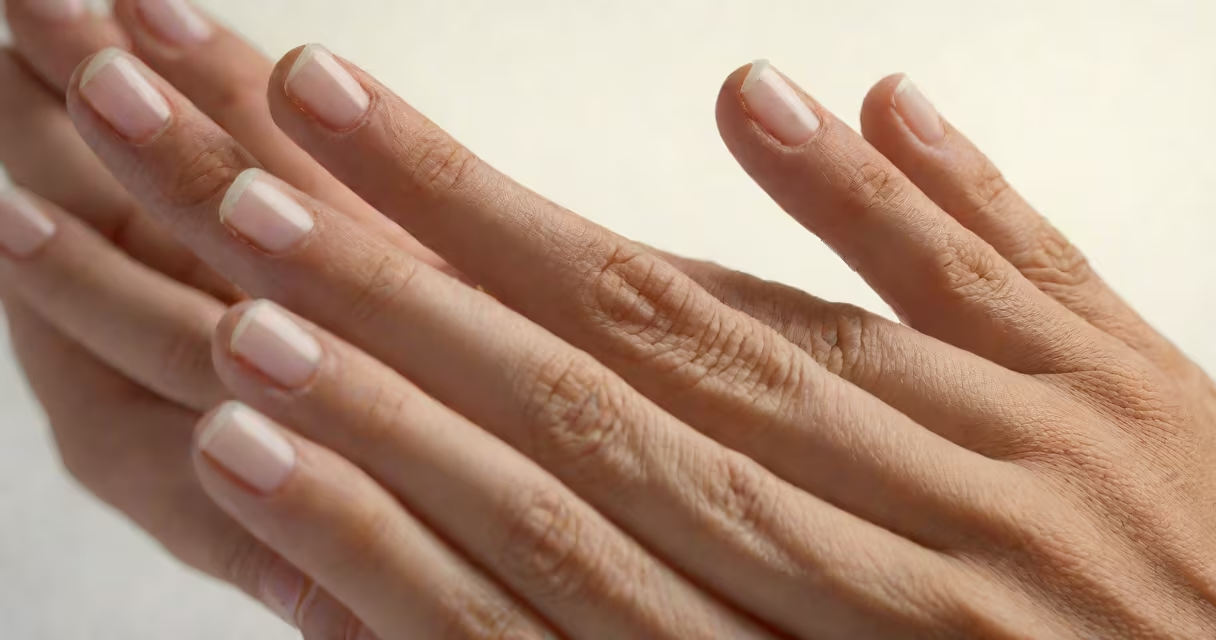
Finger numbness occurs when sensory nerves in the hands are compressed, disrupted, or damaged, leading to loss of feeling or abnormal sensations like tingling, burning, or coldness. This can result from repetitive motion, poor posture, underlying health conditions, or sudden trauma.
Numbness in the fingers typically affects one or more digits and may come and go or persist. It often signals a problem with nerve function, blood flow, or spinal nerve roots. While occasional numbness is usually harmless, recurring or unexplained episodes require evaluation to rule out serious conditions.
Nerves transmit signals from the skin to the brain. When pressure builds on a nerve-such as from bending the wrist too long-the signal gets interrupted. The brain receives no input, resulting in numbness. Prolonged pressure can damage the nerve sheath, causing lasting symptoms.
Blood vessels also play a role. Reduced blood flow limits oxygen delivery to nerves. Cold temperatures can constrict small arteries, especially in people with Raynaud's phenomenon, leading to temporary numbness and color changes in fingers.
Neurological disorders such as multiple sclerosis or diabetes-related neuropathy disrupt nerve signaling system-wide. These conditions cause progressive numbness, often starting in the extremities and spreading upward.
Several distinct conditions lead to finger numbness. Recognizing patterns helps identify the root issue.
| Condition | Typical Symptoms | Trigger or Risk Factor |
|---|---|---|
| Carpal Tunnel Syndrome | Numbness in thumb, index, middle fingers; worse at night | Repetitive hand use (typing, assembly work) |
| Raynaud's Phenomenon | Fingers turn white then blue, feel cold and numb; returns to normal with warming | Exposure to cold, stress, autoimmune diseases |
| Diabetic Neuropathy | Persistent numbness, burning, or shooting pain in fingers and toes | High blood sugar over time; affects nerves gradually |
| Pinched Nerve in Neck | Numbness radiates from neck to shoulder and down arm into fingers | Disc herniation, arthritis, poor posture |
For example, a 42-year-old office worker who spends 8 hours daily typing reports waking up with numbness in their right hand. The symptoms affect the thumb, index, and middle fingers and improve after shaking the hand. This pattern aligns with carpal tunnel syndrome, caused by median nerve compression at the wrist.
A 28-year-old runner experiences frequent episodes where her fingers turn white and feel icy during winter runs. She notices the numbness fades after entering a warm building. This is classic Raynaud's phenomenon, affecting small blood vessels in response to cold.
Occasional numbness from sleeping on your arm is normal. But persistent or recurring numbness-especially if it lasts longer than 30 minutes after changing position-should prompt concern.
Red flags include:
These signs suggest nerve damage or systemic disease. The American Academy of Neurology notes that untreated peripheral neuropathy can lead to permanent sensory loss and increased fall risk due to impaired balance.
I once observed a patient whose left hand remained numb for two weeks after a minor fall. Initial X-rays showed no fracture. Further testing revealed a compressed ulnar nerve at the elbow-commonly missed because symptoms mimic carpal tunnel. Early diagnosis prevented further deterioration.
Finger numbness is frequently mistaken for fatigue, dehydration, or anxiety. Anxiety can cause hyperventilation, which reduces carbon dioxide levels and triggers vasoconstriction, leading to tingling in the hands. However, this sensation typically spreads to the lips and toes and resolves quickly with breathing control.
Another misconception is that numbness only happens in older adults. While age increases risk for conditions like carpal tunnel or diabetic neuropathy, younger people-especially those with high screen time or repetitive strain jobs-are increasingly affected.
If numbness persists beyond a few days or recurs regularly, consult a healthcare provider. Diagnosis begins with a physical exam and medical history. Tests may include nerve conduction studies, electromyography (EMG), blood tests for glucose and vitamin levels, or imaging like MRI to assess nerve compression.
Treatment depends on the cause. Carpal tunnel syndrome may improve with wrist splints and ergonomic adjustments. Raynaud's patients benefit from avoiding cold and wearing gloves. Diabetic neuropathy requires blood sugar management and sometimes medications like gabapentin.
Chronic numbness should not be ignored. Persistent sensory loss increases injury risk-people may burn themselves or cut their hands without realizing it. Early intervention prevents complications.