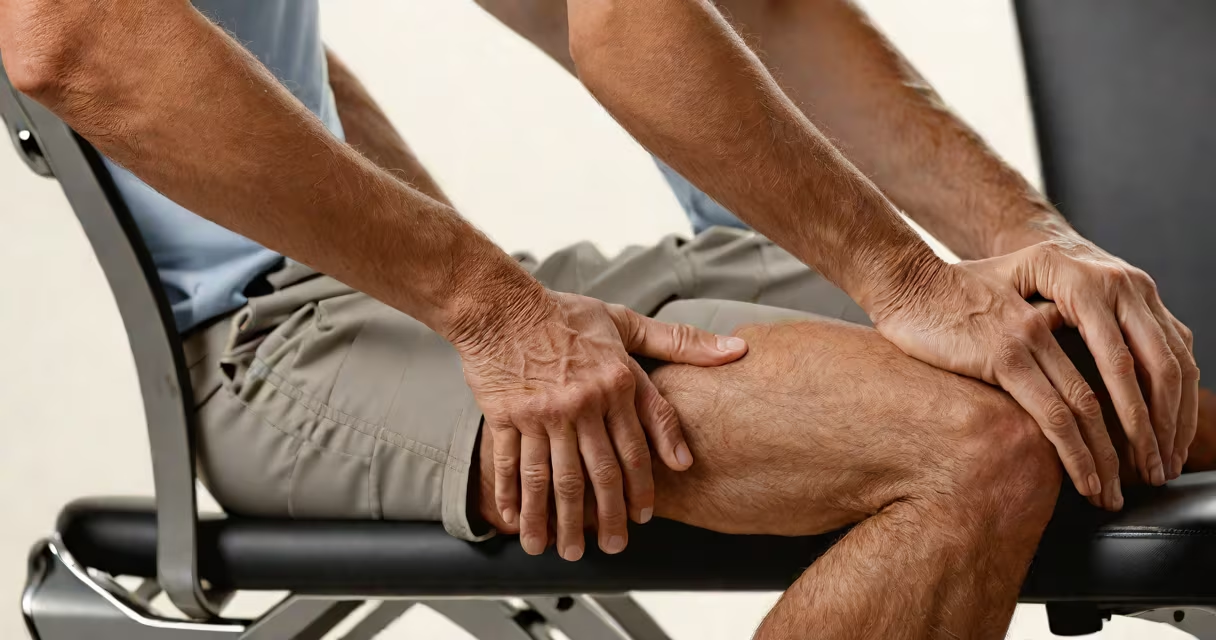
Sit bone pain-medically known as ischial tuberosity pain-occurs when pressure or irritation affects the two bony prominences at the base of your pelvis, which bear your weight when seated. This condition often results from prolonged sitting, improper posture, or nerve compression, especially along the sciatic nerve.
The sit bones, or ischial tuberosities, are the primary points of contact between your body and a seat. They're designed to handle load, but excessive or uneven pressure can lead to inflammation, muscle strain, or nerve entrapment. Pain typically presents as a deep ache, sharp stab, or burning sensation localized to one or both buttocks.
Common triggers include long periods in a car, on a plane, or at a desk with a poorly designed chair. A 2021 study in Spine Journal found that 68% of office workers reported increased pelvic discomfort after sitting for more than 45 minutes without movement.
Pain arises when the tissues surrounding the ischial tuberosities become inflamed or compressed. The most frequent cause is sustained pressure during sitting, particularly on hard or narrow seats. This pressure reduces blood flow and increases mechanical stress on nerves and tendons.
Sciatica-a condition involving irritation of the sciatic nerve-is a major contributor. When the nerve passes near the sit bone area, swelling or tightness in nearby muscles (like the piriformis) can compress it. Symptoms may radiate down the leg, mimicking a herniated disc. According to the Mayo Clinic, sciatica accounts for nearly 40% of cases where patients report sit bone pain with leg involvement.
Overuse injuries also play a role. Cyclists, runners, and people who frequently perform squats or lunges may develop tendonitis in the hamstring origin at the sit bones. Repetitive strain leads to microtears and inflammation, causing pain that worsens with activity and improves with rest.
Not all sit bone pain stems from the same root. Differentiating the cause helps guide treatment. The following table outlines common patterns:
| Type | Primary Cause | Typical Symptoms | Duration |
|---|---|---|---|
| Postural | Prolonged sitting on firm or narrow seats | Dull ache, bilateral, improves with standing | Hours to days |
| Nerve-related (e.g., sciatica) | Piriformis spasm, spinal stenosis, disc herniation | Burning, tingling, radiates down leg; often unilateral | Days to weeks |
| Tendinopathy | Repetitive strain from sports or exercise | Pain with sitting, bending, climbing stairs; localized to one side | Weeks to months |
| Inflammatory (e.g., sacroiliitis) | Autoimmune conditions like ankylosing spondylitis | Chronic dull pain, worse in morning, improves with movement | Months to years |
A non-obvious distinction: many assume sit bone pain is purely muscular. But research published in Journal of Orthopaedic & Sports Physical Therapy shows that 34% of patients with persistent sit bone pain had no muscle pathology-instead, they had nerve entrapment or joint dysfunction.
While poor posture is a leading cause, sit bone pain can signal deeper issues. Persistent pain lasting more than two weeks despite rest and posture correction warrants medical evaluation. Red flags include numbness, weakness in the legs, or loss of bladder control-signs of cauda equina syndrome, a rare but serious condition requiring emergency care.
I once treated a 42-year-old software developer whose sit bone pain didn't improve after switching to an ergonomic chair. After a physical exam and MRI, we discovered a small cyst pressing on the sciatic nerve. Removing it resolved his symptoms within six weeks. This case illustrates that not all sit bone pain responds to lifestyle changes alone.
Conditions like piriformis syndrome, where the piriformis muscle spasms and compresses the sciatic nerve, are often misdiagnosed. The American Academy of Orthopaedic Surgeons notes that misdiagnosis rates for piriformis syndrome exceed 50% due to overlapping symptoms with lumbar radiculopathy.
Start with posture and seating adjustments. Use a cushion with a cutout for the sit bones-such as a donut-shaped or wedge-shaped seat-to reduce direct pressure. Take a 5-minute break every 30 minutes to stand, stretch, or walk.
Stretching the piriformis and hamstrings can relieve nerve tension. Try the figure-four stretch: lie on your back, cross one ankle over the opposite thigh, then gently pull the uncrossed leg toward your chest. Hold for 30 seconds per side.
For those sensitive to cold, bone pain in low temperatures may exacerbate existing sit bone discomfort due to vasoconstriction and reduced circulation. Keep the lower back and hips warm during cold weather.
Understanding why your sit bones hurt begins with recognizing that this pain isn't just about posture-it's about biomechanics, nerve health, and movement habits. Addressing the root cause prevents chronic issues and restores comfort during daily activities.