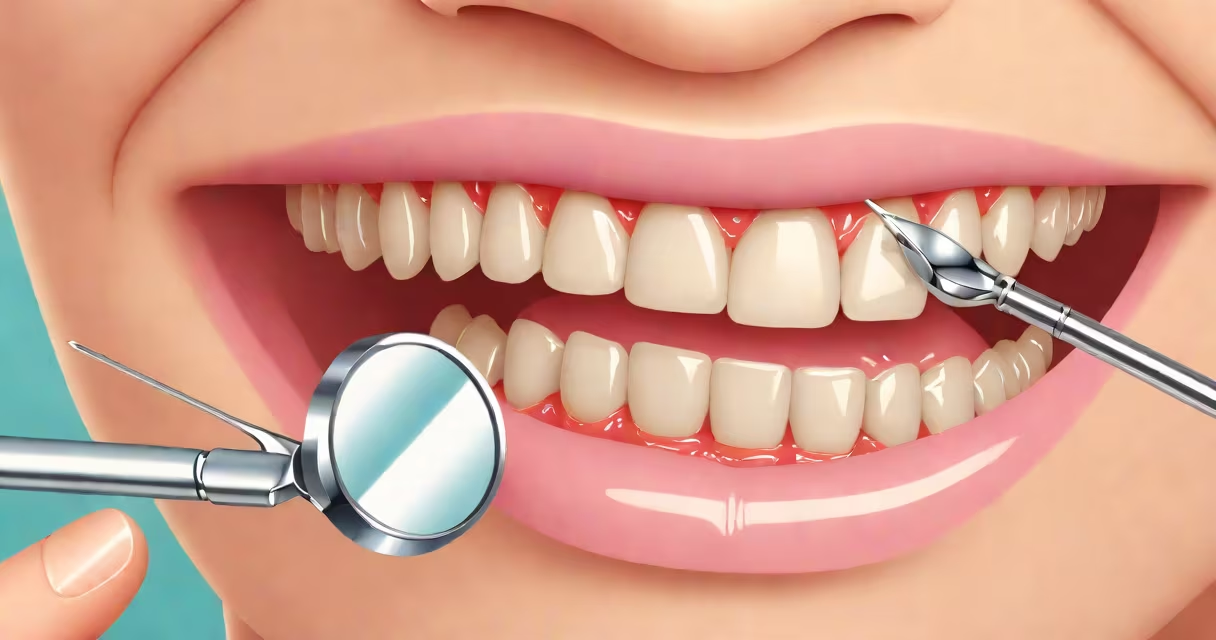
Teeth feel sharp when the protective enamel layer wears away or the underlying dentin becomes exposed, making nerves sensitive to temperature, touch, or pressure. This sensation typically arises from enamel erosion, gum recession, or tooth grinding.
Enamel, the hardest substance in the human body, shields the tooth's inner layers. When it thins or cracks, the dentin-a softer, porous layer beneath-becomes vulnerable. Dentin contains tiny tubules leading to nerve endings. When exposed, stimuli travel through these tubules, triggering sharp pain or tingling.
Common triggers include cold drinks, hot foods, sweet or sour substances, and even brushing too hard. The sensation may come and go, but persistent sharpness indicates a need for evaluation. According to the American Dental Association (ADA), tooth sensitivity affects nearly half of adults aged 30 to 65, often due to worn enamel or receding gums.
Sharp sensations occur when external stimuli reach the nerve endings in the pulp chamber via exposed dentin. The process begins with enamel loss-either from mechanical abrasion or chemical dissolution. Once dentin is uncovered, fluid movement within the tubules causes nerve irritation, resulting in sharp, sudden pain.
For example, drinking ice water after a meal can cause a jolt of pain if enamel has eroded near the gumline. The fluid shifts in the dentinal tubules, stretching nerve fibers and sending a signal to the brain interpreted as sharp discomfort. This mechanism is known as the hydrodynamic theory, supported by research published in the Journal of Clinical Dentistry.
Even normal activities like chewing or biting down can trigger sharp pain if the tooth's root surface is exposed. Gum recession-often caused by aggressive brushing or periodontal disease-exposes the root, which lacks enamel and is highly sensitive. A 2021 study in the International Journal of Periodontics & Restorative Dentistry found that 68% of patients with gingival recession reported heightened tooth sensitivity.
Several conditions lead to enamel thinning or dentin exposure. The most frequent culprits include:
Non-dental issues can mimic sharp tooth pain. For instance, trigeminal neuralgia-a neurological condition-causes intense facial pain that feels like sharp tooth pain. However, this pain doesn't respond to dental treatments and often occurs in episodes lasting seconds to minutes.
Not all sharp feelings are the same. Identifying the pattern helps differentiate between dental and non-dental causes.
| Sensation Type | Typical Cause | Duration | Response to Stimuli |
|---|---|---|---|
| Short, sharp jolt | Enamel erosion, exposed dentin | Milliseconds to seconds | Triggered by cold, heat, sweets |
| Persistent dull ache with sharp spikes | Cracked tooth, infection | Minutes to hours | Worsens with pressure or chewing |
| Burning or tingling | Nerve inflammation, systemic conditions | Hours to days | Unrelated to food or temperature |
A sharp, fleeting pain when sipping coffee points to dentin hypersensitivity. A lingering ache when biting down suggests a crack or deep cavity. Burning sensations may indicate nerve-related issues beyond the tooth itself.
One patient I treated reported sharp pain only when eating apples. After examination, we found a small crack near the enamel-dentin junction. The crack allowed fluid entry during biting, causing nerve stimulation. Filling the area resolved the issue-proof that localized damage can produce targeted sharpness.
Sharp tooth sensations aren't always due to cavities. Many assume decay is the primary cause, but enamel erosion and gum recession are far more common. A 2019 NIDCR review showed that only 22% of sensitivity cases were linked to cavities; the rest stemmed from non-caries factors.
Also, sensitivity doesn't disappear with stronger toothpaste. Some people try "extra-strength" products, but these often contain abrasive ingredients that worsen enamel wear. The ADA advises using desensitizing toothpastes with potassium nitrate or stannous fluoride-ingredients proven to block nerve signals.
Another myth: sharp teeth mean you have a cavity. Not true. Cavities usually cause aching or throbbing, not sharpness. Sharpness is more likely from surface exposure, not internal decay.
Dentists diagnose sharp tooth pain through visual exams, probing, and sometimes X-rays. They assess gum recession, enamel wear, and signs of cracks or decay. If a tooth feels sharp only when touched, it may indicate a cracked tooth or a failed filling.
Treatment depends on the cause. For enamel erosion, switching to low-acid foods and using a fluoride mouth rinse reduces further damage. For bruxism, a custom night guard prevents grinding. Gum recession may require a gum graft or deep cleaning.
Over-the-counter remedies include desensitizing toothpastes applied twice daily for four weeks. Studies show a 60% reduction in sensitivity after consistent use. If home care fails, a dentist can apply a bonding agent or sealant to cover exposed dentin.
If you're experiencing sharp sensations, avoid acidic foods and switch to a soft-bristled brush. Try a desensitizing toothpaste for two weeks. If symptoms continue, consult a dentist. Early intervention prevents progression to deeper pain or tooth loss.
Understanding why your teeth feel sharp helps you act before minor wear turns into major damage. Addressing the root cause-whether it's acid exposure, grinding, or gum recession-can restore comfort and protect long-term oral health.