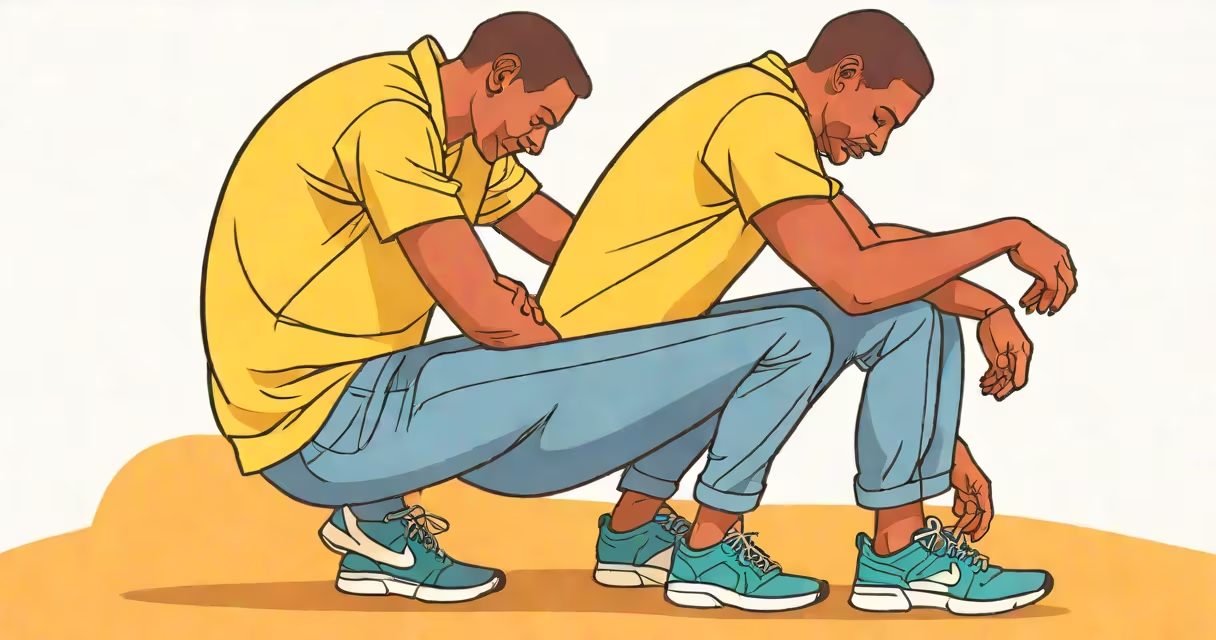
Pain in both the lower back and testicles often results from shared nerve pathways, muscle strain, or referred pain from spinal or pelvic issues. This combination is not normal and may signal a condition requiring medical evaluation.
The lower back and groin share nerve roots that exit the lumbar spine. When a nerve is compressed-due to a herniated disc, spinal stenosis, or muscle spasm-it can send pain signals to both areas. For example, L1-L3 nerve roots supply sensation to the lower abdomen, groin, and testes. A pinched nerve here may cause radiating pain that feels like it's coming from the testicles even though the source is in the spine.
One study published in Spine Journal found that 12% of patients presenting with unilateral testicular pain had lumbar radiculopathy confirmed via MRI, with symptoms resolving after targeted spinal treatment. This shows that pain perceived in the scrotum may originate far from the genitals.
Nerves exiting the lower spine travel through the pelvis and into the genital area. When pressure builds-due to poor posture, heavy lifting, or degenerative disc disease-these nerves can become irritated. The result is pain that spreads along the nerve path, including the lower back and testicles.
A classic example is a herniated disc at L4-L5. This can compress the L5 nerve root, which supplies sensation to the outer thigh, side of the foot, and parts of the groin. Patients report sharp, shooting pain from the lower back down to the testicle, sometimes worsened by bending or prolonged standing.
Physical exam findings such as reduced reflexes, numbness in the foot, or weakness in leg muscles help confirm nerve involvement. Imaging like MRI is often needed to visualize disc bulges or spinal narrowing.
Beyond nerve issues, several conditions can cause simultaneous lower back and testicular pain:
One patient I evaluated reported bilateral testicular pain and lower back stiffness after a long drive. MRI revealed mild L5 nerve root impingement. After physical therapy and anti-inflammatory medication, pain resolved in six weeks. This case illustrates how mechanical stress can trigger referred pain patterns.
Some people assume testicle pain must come from the testes themselves. But when pain is constant, bilateral, or linked to movement, it's more likely originating in the spine or pelvis.
For example, epididymitis-an infection of the epididymis-typically causes sudden, one-sided swelling and tenderness in the testicle. It rarely causes lower back pain unless secondary inflammation affects nearby structures. If back pain is present, consider spinal pathology first.
Another frequent confusion: testicular torsion. This is a surgical emergency involving twisting of the spermatic cord, cutting off blood flow. It presents with sudden, severe testicular pain, nausea, and swelling. Back pain is rare. If you suspect torsion, seek immediate care-delay increases risk of testicle loss.
| Condition | Key Features | Red Flags |
|---|---|---|
| Spinal nerve compression | Pain radiates from back to groin/testicle; worsens with sitting or bending | Weakness, numbness, or tingling in legs; bowel/bladder changes |
| Kidney stone | Colicky pain; blood in urine; nausea/vomiting | Severe pain unrelieved by position change |
| Prostatitis | Chronic pelvic pain; urinary symptoms; sexual dysfunction | Worsening with prolonged sitting; fever or chills |
Not all back and testicle pain requires urgent care, but certain signs demand prompt attention. See a doctor if pain persists beyond a week, worsens, or includes:
These symptoms may indicate infection, obstruction, or neurological compromise. Delaying care can lead to permanent damage.
Why do my testicles and lower back hurt? The most common explanation is nerve root irritation from spinal issues like disc herniation or spinal stenosis. Pain travels along shared nerve pathways, creating a misleading sensation that the testicles are the source. Other causes include kidney stones, prostatitis, and varicoceles.
Do not ignore persistent or worsening pain. Early diagnosis prevents complications. If symptoms don't improve within a few days or include red flags, consult a healthcare provider. Accurate diagnosis ensures effective treatment and avoids unnecessary procedures.