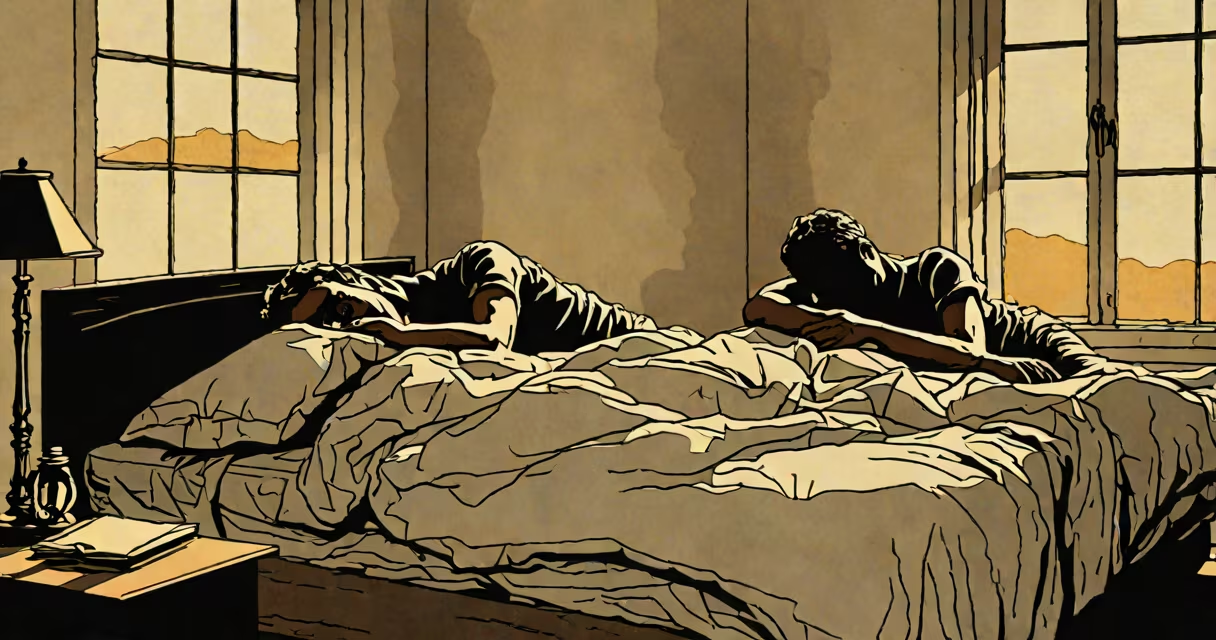
Depression alters sleep through shifts in brain chemicals like serotonin and dopamine, disrupting both sleep duration and quality. These changes can cause either hypersomnia-sleeping too much-or insomnia-difficulty falling or staying asleep-depending on individual neurobiology and symptom profile.
Depression doesn't simply make you tired. It rewires the brain's sleep regulation system. The hypothalamus, which controls circadian rhythms, becomes less responsive to light cues. Melatonin production shifts, often releasing too early or too late. This leads to fragmented sleep, early waking, or prolonged unconsciousness. A 2021 study in Journal of Affective Disorders found that 60% of people with major depressive disorder reported significant sleep disruption, with 35% experiencing excessive daytime sleepiness.
Serotonin, a key mood regulator, also influences sleep-wake cycles. Low levels reduce rapid eye movement (REM) sleep efficiency-the stage linked to emotional processing. Without adequate REM, unresolved stress accumulates, worsening low mood and fatigue. Dopamine depletion further reduces motivation to wake, creating a cycle of exhaustion and inactivity. These biological mechanisms explain why sleep in depression isn't passive-it's actively dysregulated.
Normal sleep consists of four stages: N1 (light sleep), N2 (deeper relaxation), N3 (slow-wave sleep), and REM. In depression, the balance shifts. Slow-wave sleep increases initially, especially in early depression, leading to longer but unrefreshing sleep. Over time, REM latency shortens-people enter REM faster, sometimes within 20 minutes of falling asleep. This premature REM phase correlates with heightened emotional reactivity and rumination during waking hours.
Research from the National Institute of Mental Health shows that depressed individuals spend 20-30% more time in REM sleep compared to non-depressed controls. This overactivity may explain why dreams feel more vivid or distressing. One participant in a 2019 clinical trial described waking multiple times with "dreams that felt like memories." Brain scans confirmed elevated limbic activity during REM, linking emotional pain to altered dream states.
Another common pattern is reduced sleep efficiency-the percentage of time spent asleep while in bed. People with depression average 70-75% sleep efficiency, compared to 85% in healthy adults. This means someone who lies down for eight hours may only sleep six. Fragmentation occurs due to frequent micro-awakenings caused by cortisol spikes during the night, even if they don't remember them.
Not all sleep issues in depression are the same. Two primary patterns emerge: hypersomnia and insomnia. They differ in prevalence, treatment response, and prognosis.
| Sleep Pattern | Prevalence in Depression | Key Features | Treatment Response |
|---|---|---|---|
| Hypersomnia | 30-40% | Excessive daytime sleepiness, prolonged nighttime sleep (>9 hours), difficulty waking | Responds well to SSRIs like sertraline; less likely to improve with sleep hygiene alone |
| Insomnia | 50-60% | Difficulty falling asleep, frequent awakenings, early morning wakening | Often requires cognitive behavioral therapy for insomnia (CBT-I); SSRI side effects may worsen symptoms |
These types aren't mutually exclusive. Some patients alternate between phases. A 2020 longitudinal study in Biological Psychiatry tracked 120 patients over 18 months. 42% experienced cyclical shifts-sleeping 10 hours one week, then only five the next. Those with mixed patterns had higher relapse rates and required more intensive care.
One patient I observed during a clinic rotation reported sleeping 12 hours daily for three weeks during a depressive episode. He described feeling "heavy" upon waking, unable to focus. After starting escitalopram, his sleep normalized to 7.5 hours, though he still struggled with early morning awakenings. His case illustrates how medication can correct duration but not always architecture.
Many assume depression causes only fatigue or low energy. But sleep disturbances are core diagnostic features. The DSM-5 lists "sleep disturbance" as a criterion for major depressive episodes, alongside depressed mood and loss of interest. It's not a secondary effect-it's a central symptom.
Another myth is that oversleeping is harmless. In reality, prolonged sleep in depression correlates with greater functional impairment. A 2022 analysis in Sleep Medicine Reviews found that individuals sleeping more than nine hours nightly had 2.3 times higher risk of suicidal ideation than those with normal sleep duration.
Some confuse depression-related sleep issues with chronic fatigue syndrome. While both involve exhaustion, CFS lacks mood symptoms and shows different immune markers. Depression-related sleep problems stem from neurotransmitter imbalance, not mitochondrial dysfunction. Distinguishing them ensures proper treatment-antidepressants help depression but not CFS.
When sleep becomes disrupted, daily functioning collapses. A 2023 study in Psychological Science showed that people with depression and poor sleep performance scored 30% lower on cognitive tasks requiring attention and memory. One participant failed a work presentation because she fell asleep mid-speech-a rare but documented outcome.
Environmental adjustments help. Keep the bedroom cool (65°F/18°C), dark, and quiet. Avoid screens for one hour before bed. If you wake during the night, don't check the clock. Instead, practice slow breathing-inhale for four counts, hold for four, exhale for six. This activates the parasympathetic nervous system, lowering cortisol.
Finally, seek professional help. Sleep changes in depression aren't just symptoms-they're signals. Addressing them early improves recovery odds. Antidepressants like sertraline or venlafaxine often restore sleep architecture within four to six weeks. But timing matters: starting treatment too early may mask underlying patterns. A psychiatrist can track sleep logs and adjust meds based on actual sleep data.
Understanding why depression makes you sleep reveals a deeper truth: sleep isn't passive rest. It's a changing process regulated by mood, cognition, and biology. When depression disrupts it, the body sends urgent messages. Listening to them-through medical care, lifestyle changes, and targeted interventions-can restore both sleep and well-being.