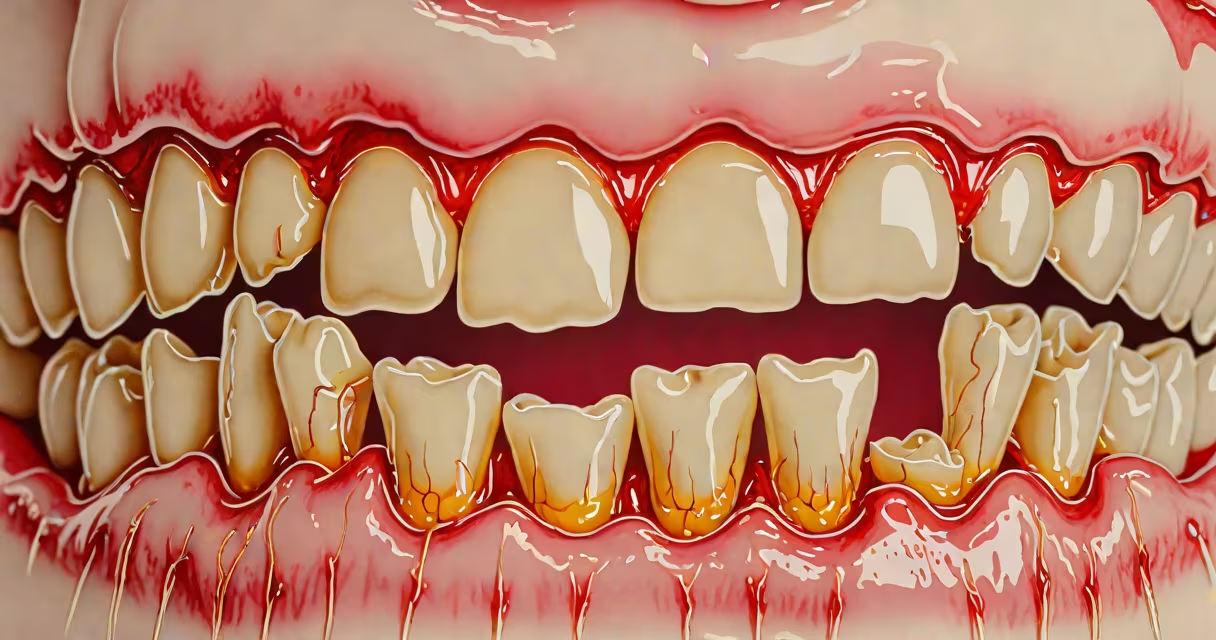
Gum disease causes bad breath primarily through the accumulation of anaerobic bacteria in infected gum pockets, which produce volatile sulfur compounds responsible for foul odors. These compounds include hydrogen sulfide and methyl mercaptan-chemicals also found in rotten eggs and flatulence.
Periodontal disease begins when plaque-a sticky film of bacteria-builds up along the gumline. If not removed, plaque hardens into tartar, which cannot be removed by brushing alone. This triggers gingivitis, the earliest stage of gum disease, marked by redness, swelling, and bleeding during brushing. Left untreated, gingivitis progresses to periodontitis, where the infection spreads below the gumline, forming deep pockets between teeth and gums.
These pockets trap food debris and bacteria. Anaerobic bacteria thrive in low-oxygen environments, breaking down proteins in saliva and tissue fluids to produce volatile sulfur compounds (VSCs). A 2019 study published in the Journal of Clinical Periodontology confirmed that patients with moderate to severe periodontitis had higher levels of VSCs in their breath compared to healthy controls, directly linking gum disease severity to halitosis intensity.
Bacteria in gum pockets metabolize amino acids from dead cells and proteins in the mouth. As they break down these substances, they release sulfur-containing gases. Hydrogen sulfide has a distinct rotten egg smell. Methyl mercaptan smells like decaying meat. These compounds are detectable at concentrations as low as parts per billion, making them potent contributors to chronic bad breath.
The inflammatory response triggered by bacterial invasion further worsens breath odor. Immune cells release enzymes and reactive oxygen species that damage gum tissue, increasing the amount of necrotic (dead) tissue available for bacterial breakdown. This creates a feedback loop: more tissue death → more substrate for bacteria → more VSCs → stronger odor.
A 2021 review in the International Journal of Dental Hygiene noted that 60-70% of individuals with moderate to severe periodontitis report persistent bad breath, even after standard oral hygiene routines. This indicates that treating the underlying gum infection-not just brushing or using mouthwash-is essential for eliminating odor.
There are two primary forms of gum disease, each affecting breath differently:
| Type | Characteristics | Effect on Breath |
|---|---|---|
| Gingivitis | Reversible inflammation of gums; redness, swelling, bleeding on brushing | Mild to moderate bad breath due to early bacterial colonization |
| Periodontitis | Advanced stage with bone loss, deep gum pockets (>4mm), tooth mobility | Severe, persistent bad breath; often described as "putrid" or "foul" |
While gingivitis may only cause occasional bad breath, periodontitis consistently produces offensive odors. The deeper the pocket, the more trapped material and bacteria accumulate. Pockets exceeding 5mm in depth are particularly difficult to clean with regular brushing and flossing, allowing bacteria to proliferate unchecked.
Many people assume bad breath stems solely from poor diet, dry mouth, or morning breath. While these factors contribute, they do not explain persistent halitosis that remains despite good oral hygiene. A 2020 survey by the American Academy of Periodontology found that 45% of adults with chronic bad breath were unaware their condition was linked to gum disease.
Another misconception is that mouthwash eliminates bad breath permanently. Some mouthwashes contain alcohol or antibacterial agents like chlorhexidine, which reduce oral bacteria temporarily. However, alcohol dries the mouth, reducing saliva flow-a known risk factor for bad breath. A 2018 study in the Journal of Oral Microbiology showed that long-term use of alcohol-based mouthwashes can disrupt the oral microbiome, potentially worsening conditions like periodontitis.
Bad breath caused by gum disease is not the same as halitosis from systemic issues such as gastrointestinal reflux or liver disease. While those conditions can cause foul-smelling breath, they typically present with additional symptoms-heartburn, jaundice, or changes in stool color. Gum disease-related halitosis usually occurs alongside swollen or bleeding gums, bad taste in the mouth, and receding gum lines.
Consider a 42-year-old patient who reported chronic bad breath for over six months. He brushed twice daily, flossed regularly, and used mouthwash. Despite this, his partner noticed a persistent odor. A dental exam revealed multiple gum pockets measuring 6-7mm, significant bone loss around molars, and visible pus upon probing. Saliva testing confirmed high levels of hydrogen sulfide and methyl mercaptan.
After scaling and root planing (deep cleaning under local anesthesia), the patient's breath improved within two weeks. Follow-up visits at four and eight weeks showed reduced pocket depth and lower VSC levels. His breath remained stable with daily flossing and biannual professional cleanings. This case illustrates that bad breath from gum disease requires clinical intervention-not just home care.
If bad breath persists beyond two weeks despite consistent brushing, flossing, and tongue scraping, consult a dentist or periodontist. A professional examination can identify hidden infections, deep pockets, or bone loss not visible to the naked eye. Early detection prevents irreversible damage.
Untreated periodontitis increases the risk of tooth loss and has been associated with systemic health conditions such as cardiovascular disease and type 2 diabetes. The American Diabetes Association notes that poorly controlled blood sugar impairs wound healing and immune function, accelerating gum disease progression and worsening breath odor.
gum disease cause bad breath because infected gums harbor colonies of sulfur-producing bacteria. These microbes generate offensive gases that linger in the mouth and are exhaled. The condition is treatable with professional dental care, but it rarely resolves on its own. Regular dental checkups and consistent home care remain essential for prevention and management.