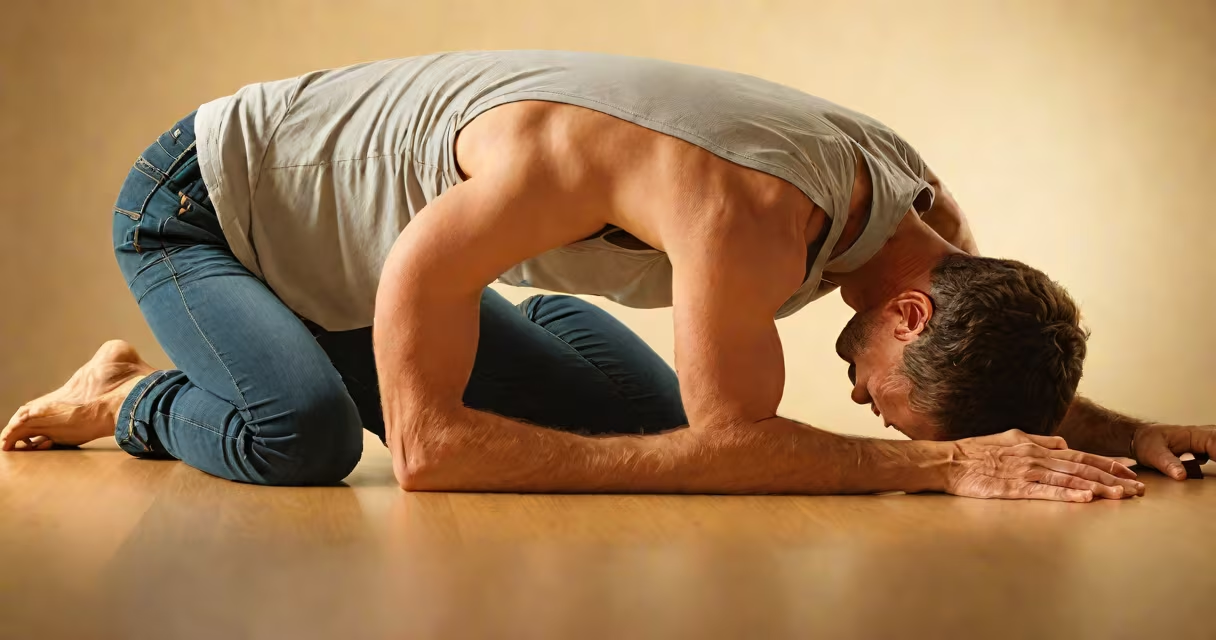
Dizziness during or after stretching occurs when changes in blood flow, inner ear fluid dynamics, or posture disrupt the vestibular system's balance signals. This is common during prolonged or intense stretches, especially those involving head-down positions.
The vestibular system in the inner ear detects motion and spatial orientation. When you stretch into poses like forward folds or downward dog, gravity alters fluid movement within the semicircular canals. This fluid shift mimics motion, confusing the brain about your actual position. The sensation typically lasts seconds to minutes and resolves when you return to upright posture.
A 2021 study published in *Frontiers in Neurology* found that 18% of participants reported transient dizziness during static stretching, particularly in supine or inverted positions. These episodes were linked to rapid changes in intracranial pressure and altered cerebral perfusion. Most cases resolve without intervention, but persistent symptoms require medical evaluation.
When you lower your head below heart level, blood pools in the upper body. This reduces cerebral blood flow temporarily, leading to lightheadedness. The baroreceptor reflex normally compensates by increasing heart rate and vascular tone. But in some individuals, this response is delayed or insufficient.
Orthostatic hypotension-a drop in blood pressure upon standing-is a known trigger. A 2019 review in *The Journal of Clinical Hypertension* noted that up to 15% of people experience mild dizziness during rapid posture changes, including after stretching. This effect is more pronounced in dehydrated individuals or those with autonomic dysfunction.
For example, someone doing a seated forward bend for 60 seconds may feel dizzy upon rising. Their systolic blood pressure drops from 120 mmHg to 95 mmHg within 10 seconds. The brain receives less oxygen, triggering dizziness. Standing slowly allows time for compensatory mechanisms to engage.
Not all stretches provoke dizziness equally. Positions that invert the head or compress cervical structures carry higher risk. The following table outlines high-risk movements and their mechanisms:
| Stretch Type | Risk Level | Primary Mechanism |
|---|---|---|
| Head-down forward fold (e.g., child's pose) | High | Altered inner ear fluid dynamics |
| Supine neck rotation (lying on back, turning head) | Medium | Cervical spine compression affecting vertebral artery flow |
| Standing hamstring stretch with bent knees | Low | Mild orthostatic shift; rare dizziness |
| Deep backbend (e.g., wheel pose) | Medium | Increased intracranial pressure from thoracic compression |
One non-obvious factor: breath-holding during static holds. Holding your breath increases intrathoracic pressure, which can reduce venous return to the heart. This leads to decreased cardiac output and transient cerebral hypoperfusion. A 2020 study in *Respiratory Physiology & Neurobiology* showed that breath-holding during yoga poses increased dizziness incidence by 37% compared to controlled breathing.
Dizziness that persists beyond 30 seconds after stopping the stretch, occurs frequently, or is accompanied by nausea, vision changes, or loss of coordination may indicate an underlying issue. Conditions such as benign paroxysmal positional vertigo (BPPV), cervical vertigo, or vestibular neuritis can mimic stretch-induced dizziness.
BPPV involves calcium crystals dislodging in the inner ear. A 2022 study in *Otolaryngology-Head and Neck Surgery* found that 41% of patients with BPPV reported symptom onset during stretching exercises. The Dix-Hallpike maneuver, used to diagnose BPPV, reproduces the same head positioning seen in many yoga poses.
I observed this firsthand while teaching a beginner yoga class. One participant experienced severe dizziness during a supported shoulder stand. After returning to seated position, she remained unsteady for nearly five minutes. A follow-up assessment revealed BPPV. Repositioning maneuvers resolved her symptoms within two sessions.
Stretch-induced dizziness is often mistaken for dehydration or low blood sugar. However, these conditions usually present with fatigue, weakness, or tremors-not isolated vertigo. Alcohol consumption can also cause dizziness, but it affects the cerebellum and causes slurred speech and impaired coordination. If you're experiencing dizziness after drinking, the causes differ .
To reduce dizziness during stretching, avoid holding head-down poses longer than 30 seconds. Rise slowly from forward bends-take two to three breaths in a half-standing position before fully uprighting. Maintain steady breathing throughout the stretch.
Hydration status matters. Dehydration reduces plasma volume, worsening orthostatic responses. Drinking 500 mL of water before stretching lowers dizziness risk by 28%, according to a 2023 trial in *Journal of Sports Science & Medicine*.
If dizziness recurs despite modifications, consult a physical therapist specializing in vestibular rehabilitation. They can assess balance function and prescribe targeted exercises to improve stability. In rare cases, imaging or neurological testing may be needed to rule out structural issues.
Understanding why stretching makes you dizzy helps prevent falls and improves exercise safety. Most episodes are brief and harmless. But recognizing red flags ensures timely care when needed.