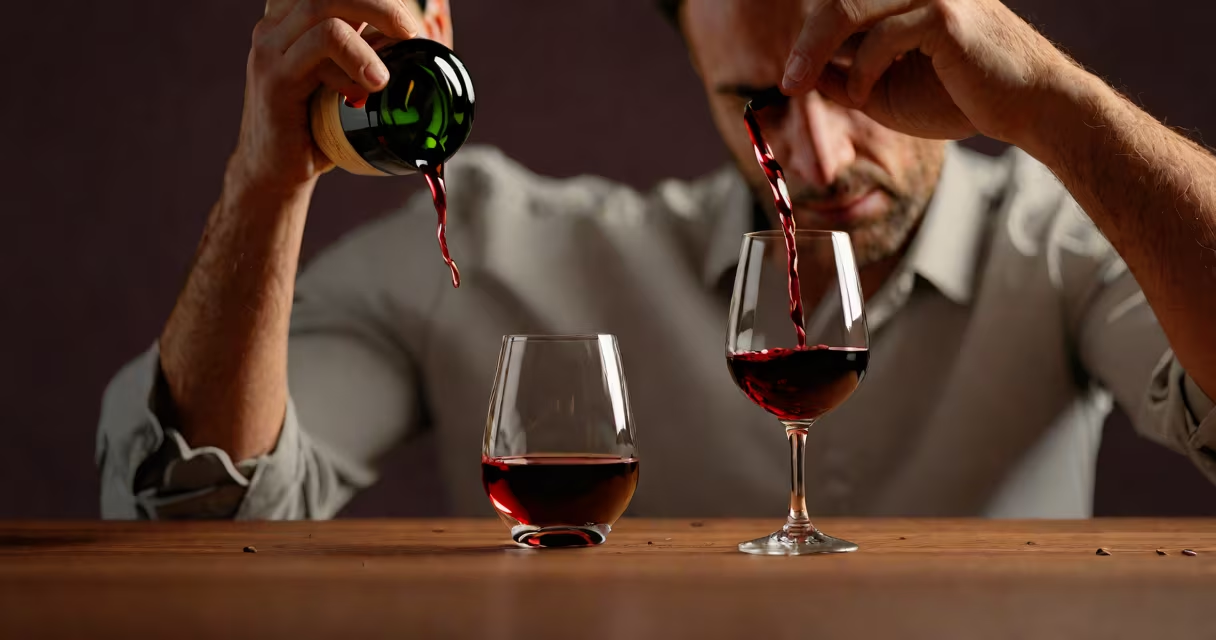
Alcohol induces dizziness by disrupting the inner ear's balance system, altering blood flow, and affecting brain regions responsible for spatial orientation. This occurs within minutes of consumption, especially with higher concentrations.
Alcohol's primary effect on dizziness comes from its impact on the vestibular system-the network of fluid-filled canals in the inner ear that detect motion and head position. Ethanol dissolves into the fluid in these canals, changing its density. This imbalance tricks the brain into thinking the head is moving when it's not, leading to vertigo and loss of coordination.
A 2019 study published in Frontiers in Neurology confirmed that even moderate alcohol intake (0.5 g/kg body weight) impairs vestibulo-ocular reflexes-eye movements that stabilize vision during head motion-within 30 minutes. This explains why people often feel off-balance while walking or turning their heads after drinking.
The inner ear contains endolymph, a potassium-rich fluid essential for maintaining equilibrium. Alcohol rapidly diffuses into this fluid due to its lipid solubility. As ethanol mixes with endolymph, it reduces the fluid's viscosity and alters ion gradients, confusing sensory hair cells that send signals to the brain.
This mismatch between actual movement and perceived movement creates a sensation of spinning or tilting-commonly called vertigo. The effect peaks around 60-90 minutes after drinking, depending on blood alcohol concentration (BAC).
For example, a standard drink (12 oz beer, 5 oz wine, or 1.5 oz hard liquor) raises BAC by approximately 0.02%. At 0.08% BAC-the legal driving limit-most people report mild dizziness. At 0.15%, dizziness becomes severe, often accompanied by nausea and vomiting.
Blood vessels dilate under alcohol's influence, causing a drop in blood pressure. Reduced cerebral perfusion-blood flow to the brain-can trigger lightheadedness, especially when standing up quickly. This orthostatic hypotension is common after drinking and contributes to dizziness.
Alcohol also increases GABA activity in the central nervous system. While this produces relaxation, it suppresses motor control centers in the cerebellum and brainstem. These areas regulate posture and coordination. Their suppression leads to slurred speech, unsteady gait, and difficulty maintaining balance.
Research from the National Institute on Alcohol Abuse and Alcoholism (NIAAA) shows that alcohol reduces cerebellar blood flow by up to 20% at moderate BAC levels. This directly correlates with impaired balance tests in controlled settings.
Many assume dizziness after drinking results solely from dehydration. While alcohol is a diuretic and can contribute to dry mouth and fatigue, it doesn't explain the immediate onset of vertigo. Dehydration may worsen symptoms, but the root cause lies in neural and vestibular disruption.
Another myth is that dizziness only happens with excessive drinking. In reality, even one drink can cause noticeable dizziness in sensitive individuals. A 2021 study in Alcohol Research: Current Reviews found that 37% of participants reported dizziness after consuming just one standard drink, particularly those with a history of motion sickness or inner ear disorders.
Dizziness from alcohol is not the same as dizziness from low blood sugar. Hypoglycemia causes shakiness, confusion, and sweating-symptoms distinct from alcohol-induced vertigo. Mixing alcohol with fasting or certain medications can mimic low blood sugar, but the mechanism differs.
Consider a 30-year-old woman who drinks two cocktails (each 1.5 oz of 40% ABV spirits) over 90 minutes. Her BAC rises to 0.08%. She stands up to leave and feels a sudden wave of dizziness. Her eyes drift uncontrollably (nystagmus), and she sways slightly.
Physiologically, ethanol has entered her inner ear fluid, creating a density gradient. Her brain receives conflicting signals: visual input says she's still, but vestibular input says she's rotating. Simultaneously, blood pressure drops due to vasodilation, reducing oxygen delivery to the brainstem. The combination overwhelms her balance system.
She recovers within 30 minutes of sitting down and resting. But if she had consumed more, or had a preexisting condition like Ménière's disease, recovery could take hours.
Dizziness after drinking is usually temporary and resolves as alcohol metabolizes. However, persistent or worsening dizziness-even after sobriety-may indicate an underlying issue such as vestibular neuritis, benign paroxysmal positional vertigo (BPPV), or inner ear damage.
If dizziness occurs frequently with minimal alcohol intake, or is accompanied by hearing loss, tinnitus, or prolonged imbalance, consult an otolaryngologist. The American Academy of Otolaryngology-Head and Neck Surgery recommends evaluation if symptoms last beyond 24 hours post-drinking.
Individuals with a history of migraines may experience alcohol-triggered vestibular migraines-dizziness without headache. These require specialized diagnosis and management.
People who experience dizziness from alcohol may also notice similar sensations after stretching. Stretching-induced dizziness often stems from rapid changes in blood flow to the brain, especially during neck stretches. This shares a vascular mechanism with alcohol-related dizziness but lacks the neurological disruption seen with ethanol.
Why does alcohol make me dizzy? Because ethanol disrupts the inner ear's fluid balance, reduces blood pressure, and suppresses brain regions controlling coordination. The effect begins within minutes and peaks as BAC rises. Even one drink can trigger dizziness in sensitive individuals. Recovery takes time as the body clears alcohol and restores equilibrium. Persistent symptoms warrant medical evaluation.